EN
EN
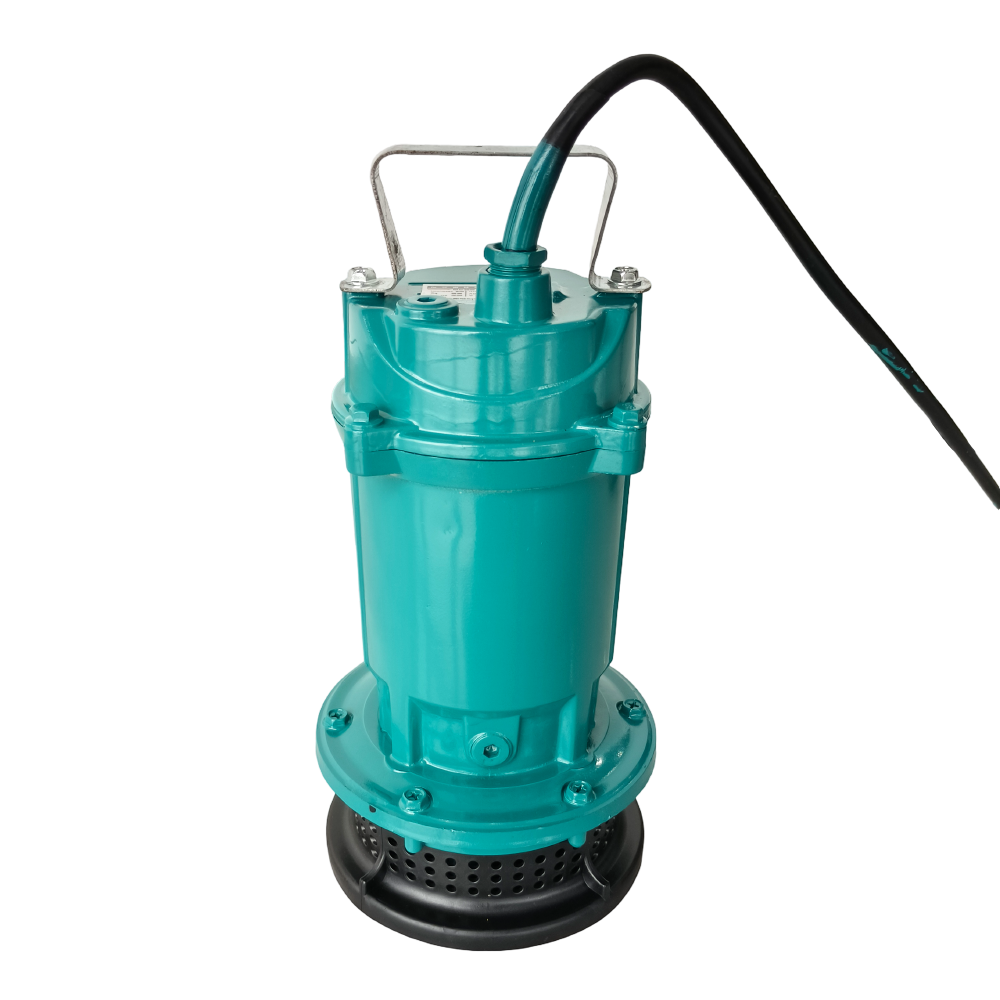
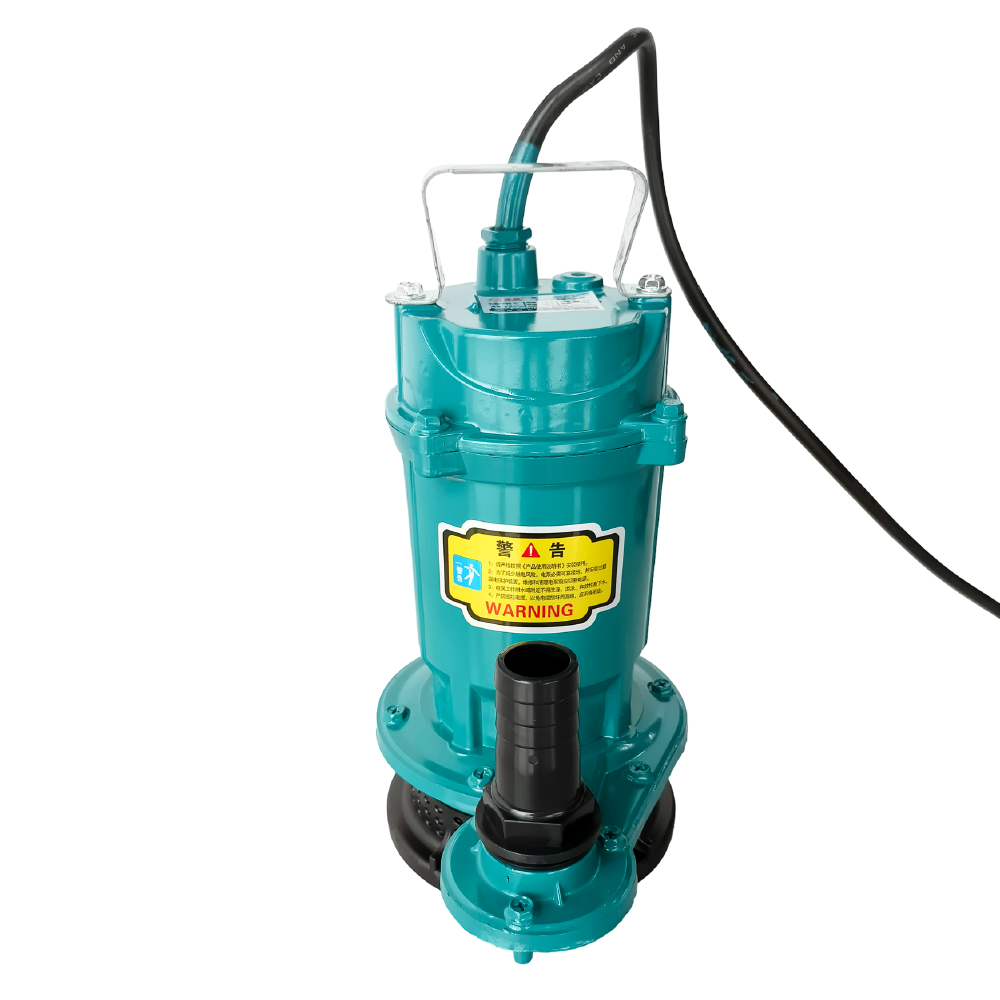
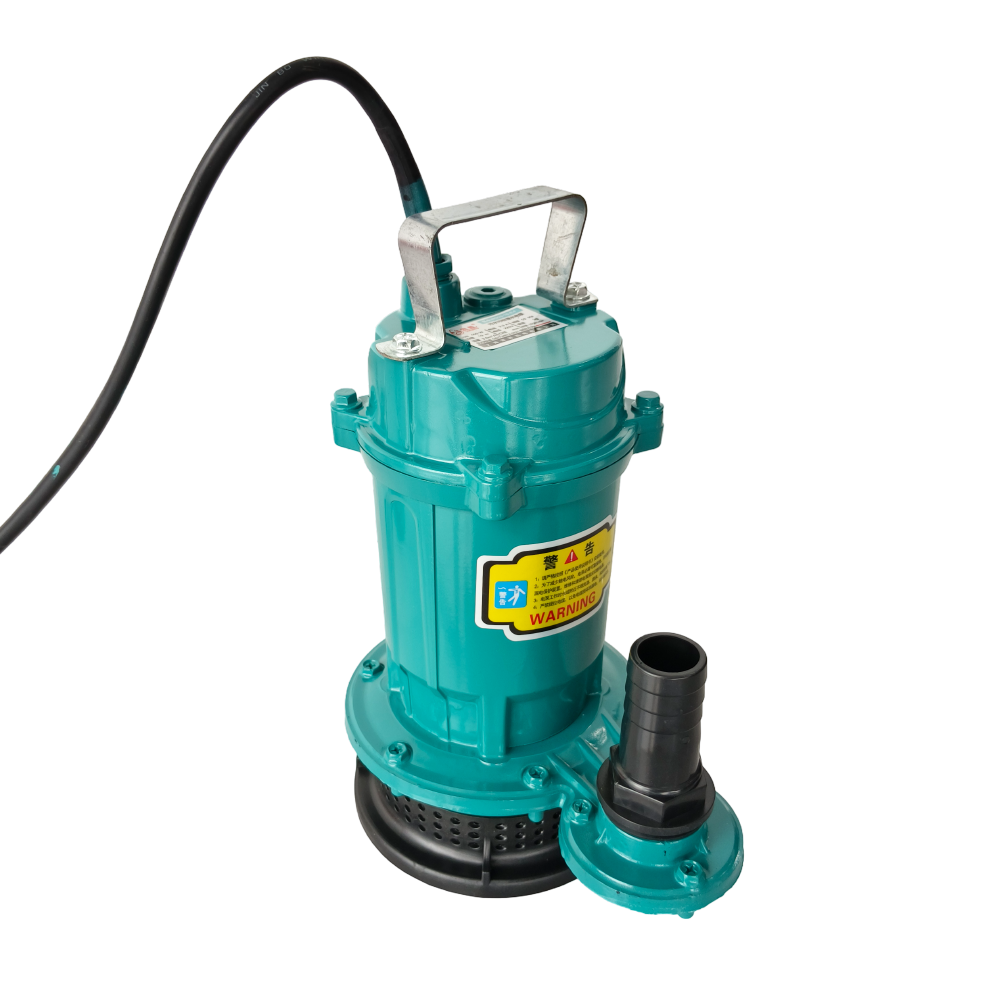
DC submersible pumps are essential devices used for various applications, including water drainage, irrigation, and industrial processes. As a crucial component in many systems, selecting the right DC submersible pump can significantly impact efficiency and operational costs. Purchasing managers and engineers must consider various factors such as performance, reliability, customization options, and overall cost. This article will guide you through the critical considerations for choosing a DC submersible pump that meets your project needs while addressing common concerns that buyers have in the B2B space.
Sourcing Reliable DC Submersible Pump Suppliers
Finding a trustworthy supplier for DC submersible pumps is critical for ensuring quality and reliability. Here are key considerations when sourcing suppliers:
Reputation and Experience: Look for suppliers with a solid track record in manufacturing and supplying DC submersible pumps. Companies like Larissa Motor, with years of experience in electromechanical product development, often have established quality control processes and a reputation for reliability.
Production Capabilities: Understand the supplier’s manufacturing capabilities, including their in-house development process, production equipment, and quality assurance measures. This insight helps gauge their ability to deliver products that meet your specifications consistently.
Customization and Support: A good supplier should offer customization options and support throughout the purchasing process. This includes providing technical assistance in selecting the right pump for your application and guidance during installation.
Lead Times and Minimum Order Quantities (MOQs): Clarify lead times for production and any minimum order quantities. Understanding these factors can help you manage your inventory and project timelines effectively.
Global Reach: If your operations are international, ensure the supplier has experience exporting to your target markets, such as Europe or other regions.
By carefully evaluating potential suppliers based on these criteria, you can establish a partnership that supports your needs and enhances your operational efficiency.