Choosing the Right Dirty Water Pump for Industries

Get a Professional Sourcing Quote

Our pump experts will review your request and reply within 12 hours.
Choose Your Needs Optional Business Type
Customization Requirements Optional
Email
Name
Company Name & Website
Message
0/1000

dirty water pump

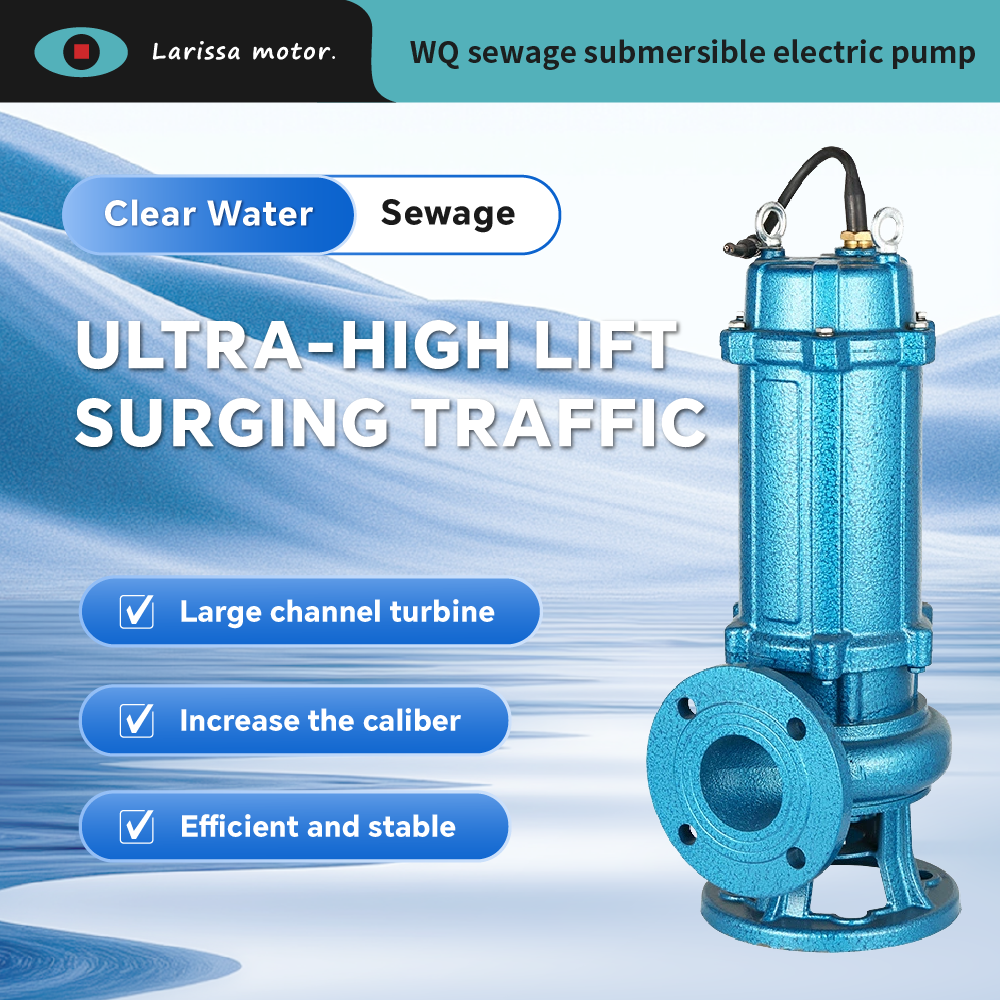
Dirty water pumps are essential  tools in  various industries, designed  for  the efficient  removal of  contaminated water and other fluids.  Choosing the right dirty water pump can significantly impact  operational efficiency and  cost-effectiveness. B2B buyers, such as purchasing managers  and project engineers, often face concerns regarding product specifications,  quality assurance,  and supplier  reliability. This article aims  to  provide a comprehensive  guide on  selecting dirty water pumps,  evaluating suppliers, ensuring quality, and understanding their  applications across multiple sectors.  For instance, understanding the unique requirements for applications such as Agricultural Water Pumps can be crucial.
 
Reliable Suppliers for Dirty Water Pumps

Reliable Suppliers for Dirty Water Pumps

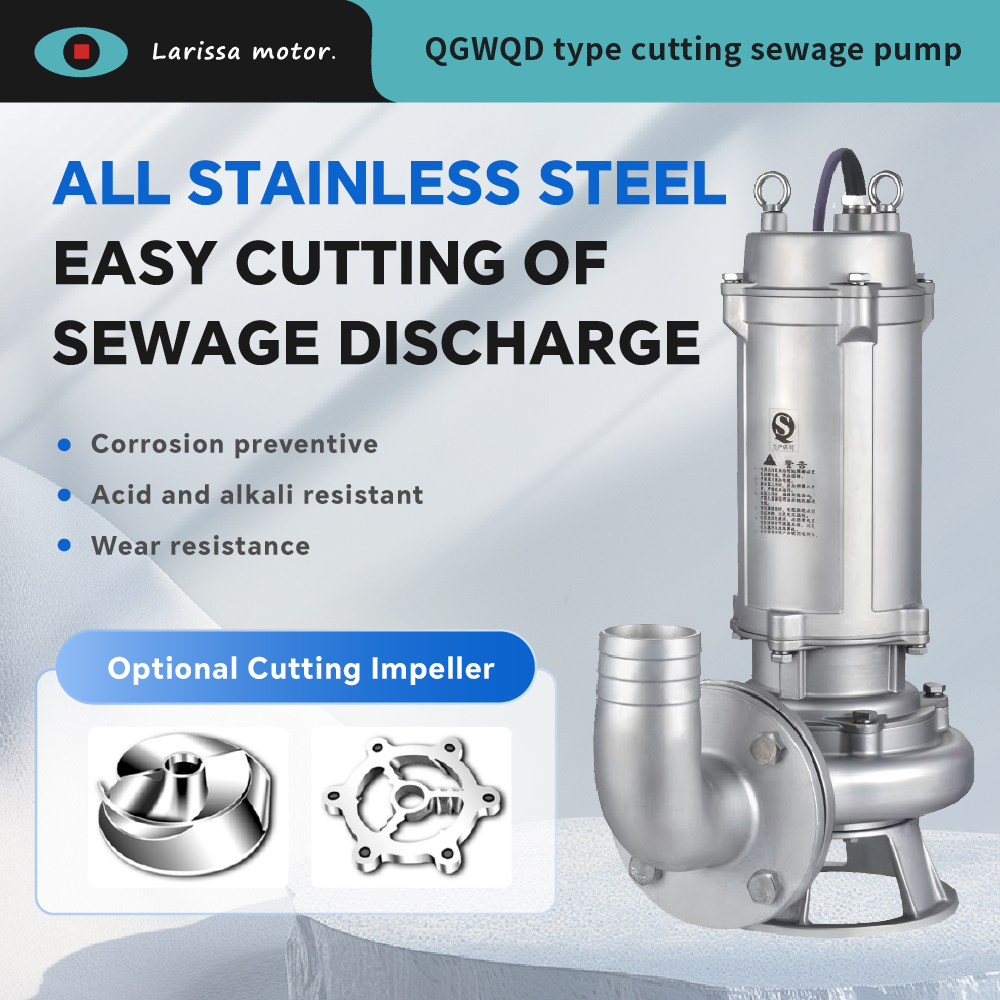
Identifying a trustworthy supplier is vital for ensuring long-term reliability and performance of  dirty water pumps.  When  evaluating suppliers, consider the following: 

  Experience  and Reputation: Look for manufacturers with a proven track record in producing dirty water pumps.  Larissa Motor, for  instance, has been in the  electromechanical products industry since 1998, emphasizing quality and  performance. Customization Options: Many applications require specific pump configurations. A supplier that offers customization can provide a tailored solution that fits your precise needs.  Lead Times and  Availability: Confirm the supplier's ability to meet  delivery  deadlines.  This is particularly important in  urgent situations where equipment is needed  quickly. Post-Sale Support:  Reliable suppliers should offer comprehensive after-sales support, including maintenance  services and spare parts availability.

By thoroughly vetting potential suppliers, buyers can ensure they  partner with a  company capable of meeting their operational requirements.  For example, suppliers specializing in Industrial Water Pumps can provide critical support.
Evaluating the Quality of Dirty Water Pumps for Your Projects

Evaluating the Quality of Dirty Water Pumps for Your Projects

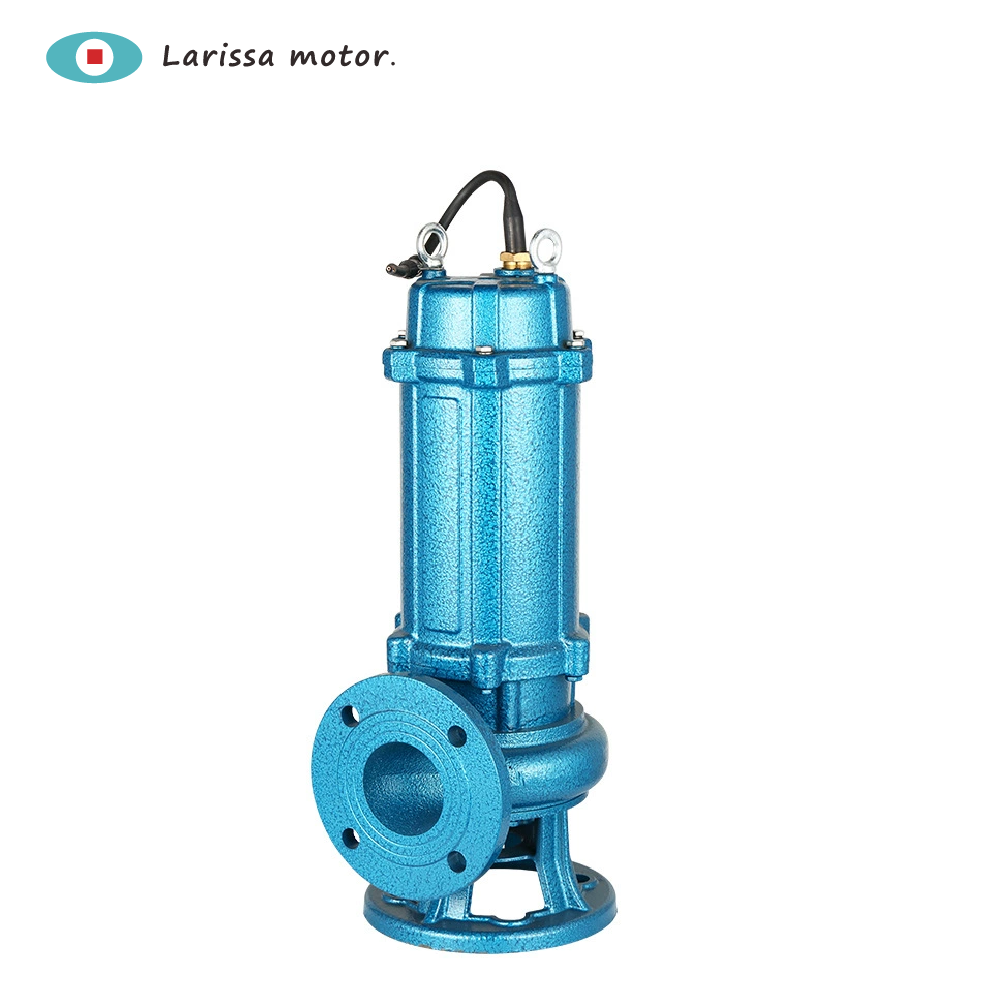
Quality is  paramount in the selection of  dirty water pumps, as it directly affects performance and longevity. Buyers should focus on the following  aspects: 

Certifications and  Standards:  Verify that the pumps meet relevant international standards and certifications. This often indicates adherence to quality  and  safety practices. Quality Control  Processes: Inquire about  the manufacturer's quality control measures. A robust quality assurance process can help prevent defects and ensure consistent performance. Material Specifications: Assess the specifications of the materials used in the pump construction. High-quality  materials can enhance durability and  resistance  to wear and tear. Real-World Testing: Ask for information on  performance testing conducted  under actual operating conditions. Pumps  should be tested for efficiency,  noise levels, and  durability before they are delivered. 

Evaluating these factors helps ensure that the chosen pump will perform reliably in  demanding environments, minimizing the risk  of premature failure.

Installation Guidance for Efficient Use of Dirty Water Pumps

Installation Guidance for Efficient Use of Dirty Water Pumps

Proper installation is  critical  to maximizing  the efficiency and lifespan of dirty water  pumps.  Here are some important considerations: 

Site Preparation: Ensure the  installation  site is clear  and that the pump will be positioned correctly, with adequate access for maintenance.  Alignment and Leveling: Pumps should be installed on a level surface to prevent excessive vibration, which can lead  to mechanical failure. Proper alignment with piping is essential to avoid stress on the pump. Electrical Connections: Ensure that  electrical connections meet local codes and standards. If the pump  is submersible, verify that all electrical components are  waterproof and  suitable for such applications. Testing Post-Installation: After installation,  conduct a thorough test run to check for leaks, unusual noises, or performance issues.  Regular monitoring during initial  operation can help identify potential problems early.

Following these installation guidelines can significantly enhance the operational  efficiency  of dirty water  pumps and extend their service life.

Applications of Dirty Water Pumps in Various Industries

Dirty water pumps find extensive applications across multiple sectors, each  with unique demands: 

Construction: In construction  sites,  these pumps are  used to remove groundwater, slurry, and other contaminants, ensuring a  dry and safe working environment. Mining:  Dirty  water pumps handle the removal of water and slurries that contain minerals and sediments,  playing a critical role in resource extraction. Agriculture:  In agricultural settings, pumps are often utilized for drainage and irrigation, particularly in areas prone to flooding.  Municipal Services: Wastewater management facilities rely on dirty water pumps to handle sewage and wastewater, ensuring effective treatment and disposal. Industrial Applications:  Factories and manufacturing plants use  these  pumps to  manage  water  used  in processes, cooling systems, or to control spills. For example, Construction & Drainage Pumps play a vital role in ensuring site safety.

Understanding the specific applications helps buyers choose the right pump model tailored to their operational environment, ensuring optimal  performance.

By considering the  factors  outlined , B2B buyers can make informed decisions when selecting dirty water pumps, ensuring they meet their specific industrial needs with reliability and efficiency.

Choosing the Right Dirty Water Pump for Your Industrial Needs

When selecting  a dirty water pump, it’s crucial  to consider the specific requirements of your application. Key factors include:

Flow Rate:  The volume of water the pump can move, usually measured  in  gallons per minute (GPM)  or liters per second  (L/s). Ensure the flow rate meets your operational demands. Head Height: This refers to the vertical distance the pump must move water. Pumps are  rated for maximum head height, and exceeding this can lead to inefficiency or failure. Material Compatibility: Depending on the nature of  the contaminants (e.g., chemicals, sediments), the pump's materials should resist  corrosion and  wear. Common materials include stainless steel and reinforced thermoplastics. Portability and Size:  If mobility is a concern, consider the weight and  design of the pump. Compact and lightweight models may be suitable for smaller  jobs, while larger, more robust pumps may  be necessary for heavy-duty applications. 

Understanding these parameters allows buyers  to select a  pump that not only fits their current  needs but also accommodates potential future  demands.

Get a Professional Sourcing Quote

Our pump experts will review your request and reply within 12 hours.
Choose Your Needs Optional Business Type
Customization Requirements Optional
Email
Name
Company Name & Website
Message
0/1000

Related product categories