Choosing the Right Drainage Pump for Your Projects

Get a Professional Sourcing Quote

Our pump experts will review your request and reply within 12 hours.
Choose Your Needs Optional Business Type
Customization Requirements Optional
Email
Name
Company Name & Website
Message
0/1000

drainage pump

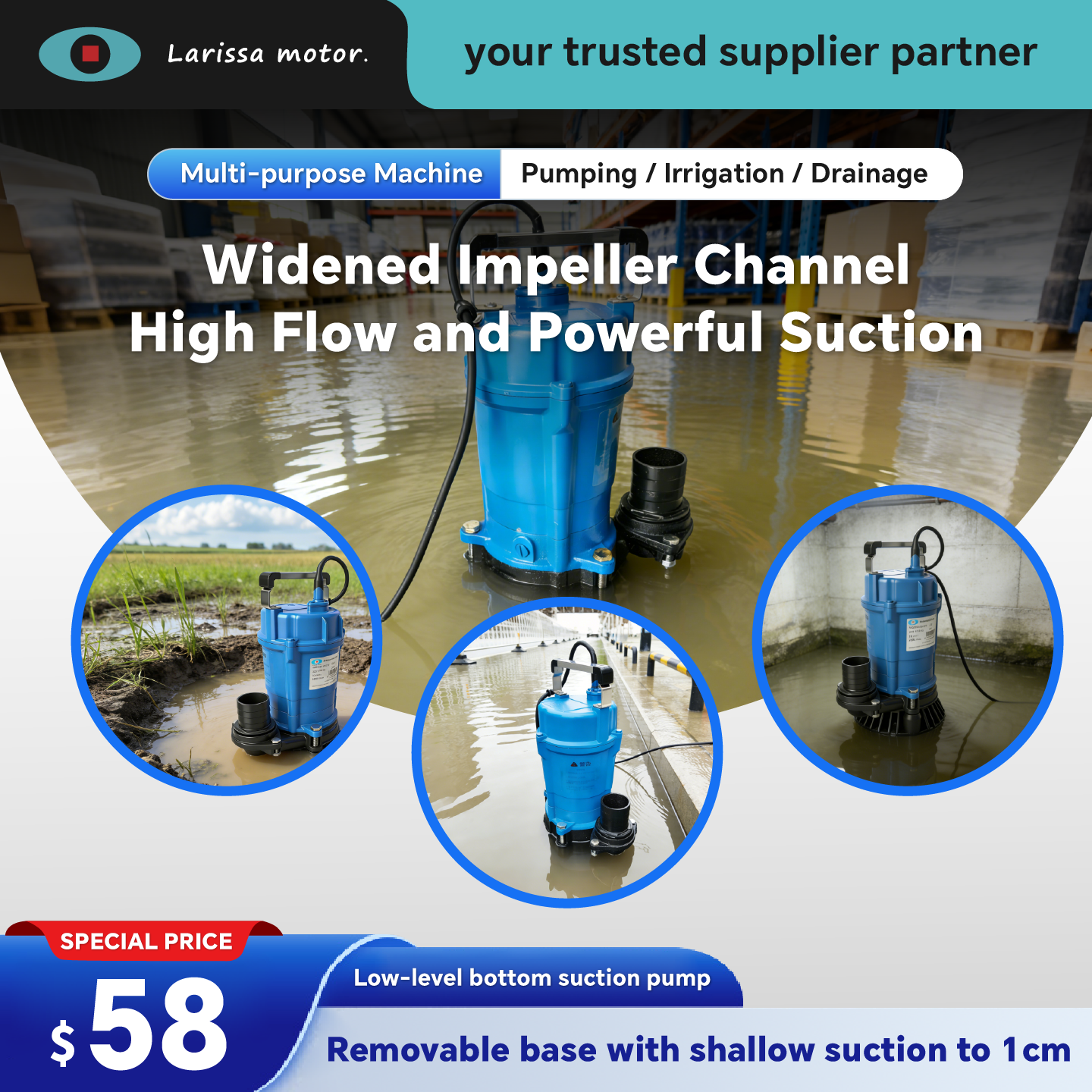
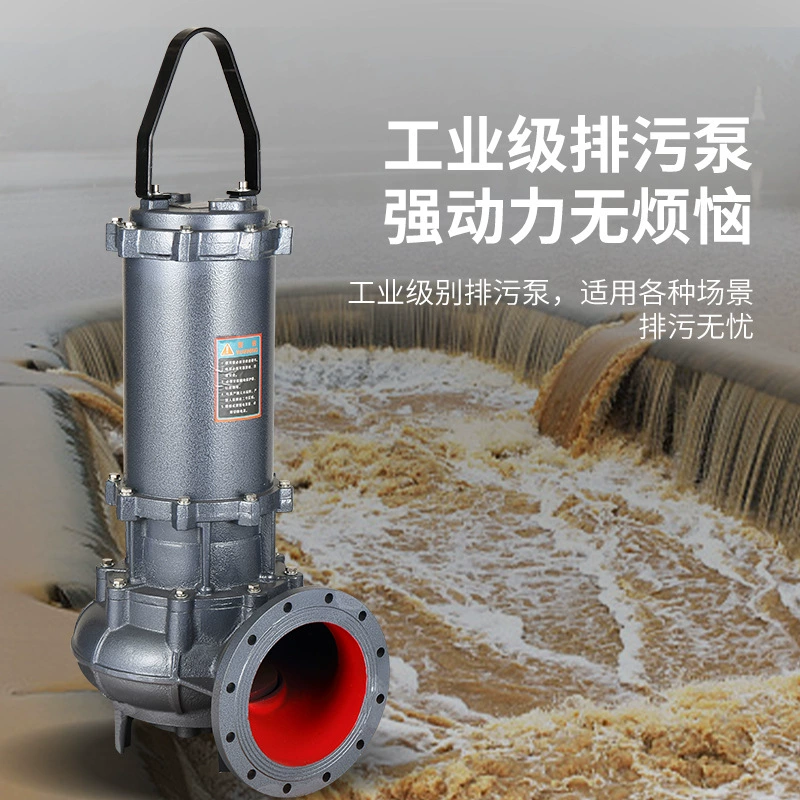
Understanding drainage pumps is vital for  various  industries, including construction, agriculture,  and  municipal  applications. A drainage pump is  a  mechanical device designed to remove  excess water from an  area, ensuring proper  drainage  in basements, construction sites, or during flooding events. As a B2B  buyer, your  primary concerns  typically include performance reliability,  suitable specifications, and sourcing  from reputable manufacturers. This  article  will guide you through the essential aspects of drainage  pumps, helping you make informed purchasing  decisions.
How to Choose the Right Drainage Pump for Bulk Orders

How to Choose the Right Drainage Pump for Bulk Orders

When planning to order  drainage pumps in  bulk, several  factors come into play. First, clarify your project's specific requirements, including the expected water  volume and site conditions. This will guide you in selecting the appropriate  models and specifications.

Next, consider the minimum order quantity (MOQ) set by manufacturers. Some suppliers may have  specific MOQs based on production capabilities, which  can  affect your purchasing strategy. Additionally, inquire about lead times for bulk orders to ensure timely delivery for  your project.

You should also assess the customization  capabilities of  potential suppliers.  Custom features, such as specific fittings  or performance specifications,  can be vital for specialized applications. Always request samples for approval before finalizing bulk  orders, as  this allows you to  confirm performance and  compatibility with  existing systems.
What to Expect from Your Drainage Pump Source

What to Expect from Your Drainage Pump Source

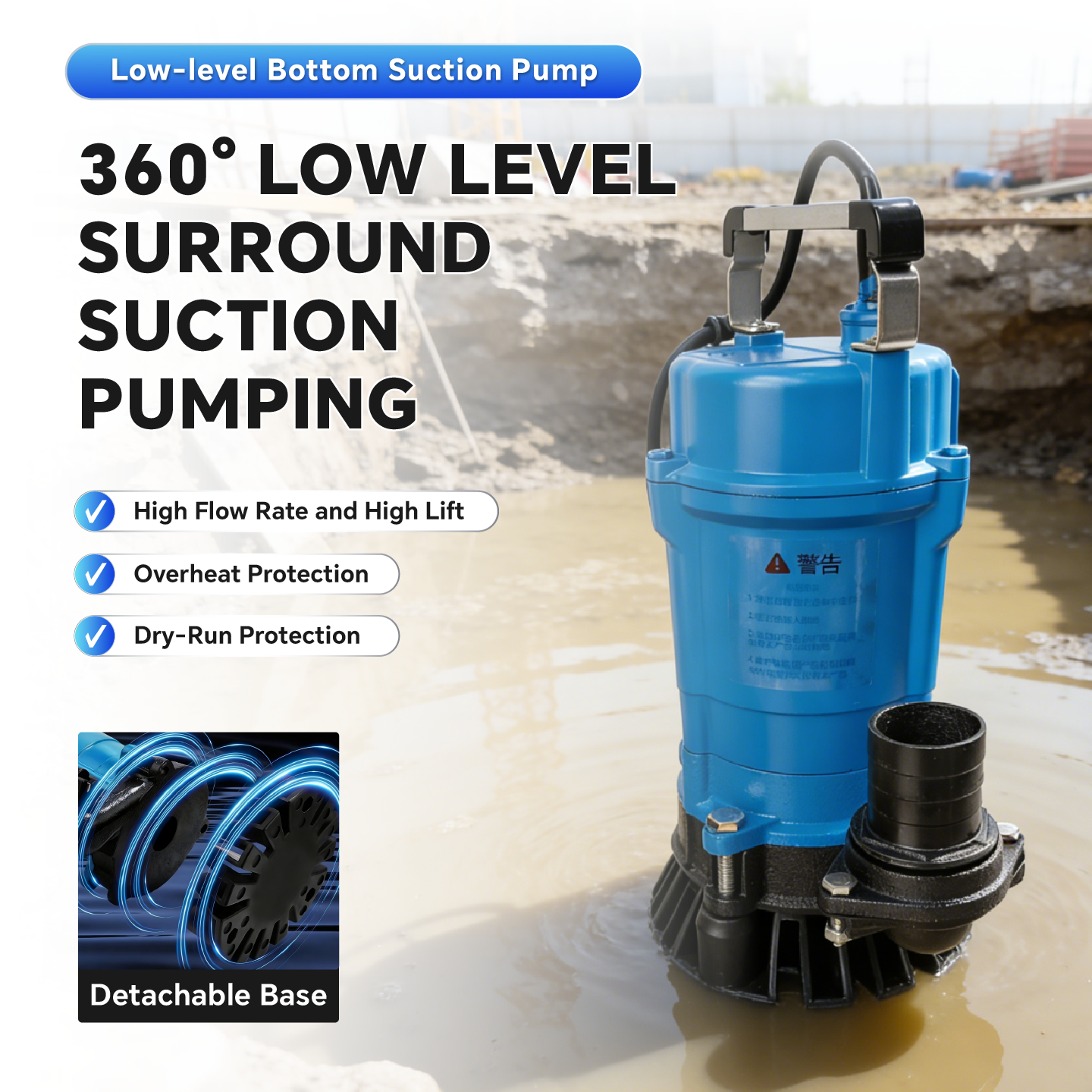
When working with a drainage pump manufacturer, clear communication  and transparency  are essential. Expect your  supplier to provide detailed product  specifications, including performance metrics and material composition. Additionally, inquire about certifications that demonstrate compliance with industry  standards, particularly if you are operating  in regulated sectors.

Your manufacturer should also offer insights into their quality control processes. Understanding how  they test  and inspect their products can give  you confidence  in  the reliability of the pumps you receive. Look for suppliers who can provide documentation of testing results  or certification from third-party organizations.

Moreover,  a  reputable supplier will be responsive to your queries and  provide after-sales  support,  ensuring that any  issues can be promptly addressed.

Evaluating Quality Control in Drainage Pump Manufacturing Processes

Evaluating Quality Control in Drainage Pump Manufacturing Processes

Quality control is a  critical aspect of drainage pump manufacturing that directly impacts product performance and reliability.  Look for manufacturers that implement rigorous quality assurance  protocols  throughout the production  process.

Material Inspection: Ensure that raw  materials  are thoroughly inspected and  tested for durability and compatibility with water exposure. This is crucial in preventing premature failure.

Process  Monitoring: Manufacturers should monitor  production runs  closely for consistency. This  involves regular checks on assembly, component fit, and performance metrics to ensure that each pump meets the specified standards.

End-of-Line Testing: A final quality  check should be conducted on each unit before shipping. This testing phase confirms  that the pumps operate as intended under specified conditions, allowing  for the identification of any defects before they reach the customer.

By prioritizing manufacturers with strong  quality control practices,  you can minimize  the risk of  encountering defects in the  field, ultimately saving costs and ensuring project success.

Where to Find Trusted Suppliers for Drainage Pumps Worldwide

Finding  reliable suppliers for drainage pumps requires a strategic approach. Start  by researching manufacturers known for  their specialization in electromechanical products. Industry trade shows and expos can also be valuable venues for meeting  potential suppliers and assessing their product offerings firsthand.

Consider  utilizing online B2B platforms, where you can read reviews and compare multiple suppliers. Look for companies that emphasize their manufacturing capabilities and have a proven track record in international markets, especially in regions like Europe.

Networking with industry  peers can also yield recommendations  for trusted  suppliers. Engaging with professional associations or forums dedicated to  your industry can provide insights  into which manufacturers are well-regarded.

Additionally, always conduct due diligence  by requesting references and reviewing previous  customer experiences to  ensure you are partnering  with  a trustworthy source. Horizontal Multistage Centrifugal Pump for High Pressure Water Supply Systems is a reliable option to consider for various applications.

By  following these guidelines, you  can confidently navigate the complexities of purchasing drainage pumps,  ensuring that your projects are equipped with reliable, high-quality products tailored to your needs.

Exploring the Best Drainage Pump Specifications for Your Projects

When  selecting a drainage pump, it's crucial to understand key specifications that affect its performance. These include flow rate, head height, power source, and construction materials.

Flow Rate: Measured in gallons per minute (GPM), the flow rate indicates how quickly a pump can move water. For  projects  with significant water accumulation,  select  a pump with  a higher flow rate to efficiently manage the volume.

Head Height: This refers to the maximum vertical distance a pump can raise  water. It is essential to choose a  drainage pump with  a head height that meets your project  requirements, as insufficient head height can result in  inadequate water removal.

Power Source: Drainage pumps  can be powered by electricity, gasoline, or solar  energy. Electric pumps are common for stationary  applications,  while gasoline pumps offer portability for remote sites. For solar applications, consider a DC CPM Centrifugal Water Pump for Solar Irrigation & Agricultural Water Transfer that can be effectively used in various settings.

Construction Materials: Look  for pumps made  of durable materials like stainless steel or  high-grade plastics, which enhance longevity  and resistance to corrosion, especially in harsh environments.

Understanding these specifications  will help ensure you choose a drainage pump that meets your project's unique needs.

Get a Professional Sourcing Quote

Our pump experts will review your request and reply within 12 hours.
Choose Your Needs Optional Business Type
Customization Requirements Optional
Email
Name
Company Name & Website
Message
0/1000

Related product categories