Essential Ejector Pumps for Sewage Management

Get a Professional Sourcing Quote

Our pump experts will review your request and reply within 12 hours.
Choose Your Needs Optional Business Type
Customization Requirements Optional
Email
Name
Company Name & Website
Message
0/1000

ejector pumps for sewage

Ejector  pumps for  sewage are vital components  in  managing wastewater in  various industrial and commercial applications. These  pumps  are designed to move sewage  and  wastewater  from lower to higher elevation, ensuring efficient drainage  and sanitation. Purchasing  managers  and  engineers often have concerns regarding specifications, material quality, and supplier  reliability. This article will provide essential insights into  selecting  the right ejector  pump for your needs, covering key  specifications, features, investment understanding, supplier sourcing, and expert  insights on performance and materials.
Features and Benefits for Contractors

Features and Benefits for Contractors

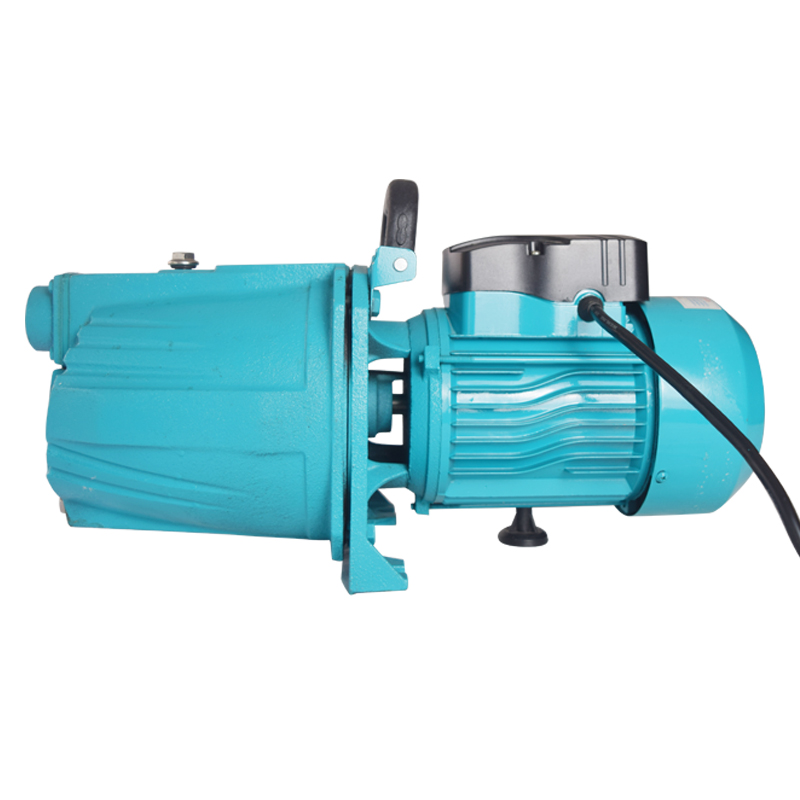
Ejector pumps for  sewage come with various features that can significantly benefit contractors and operators:

Automatic Operation: Many modern ejector  pumps include automatic float switches or sensors  that activate the pump when sewage  levels rise,  minimizing the need for manual intervention and  reducing labor costs.

Durability: High-quality construction  materials and design contribute to the pump's ability to withstand the harsh conditions often found in sewage applications, leading to reduced maintenance and replacement  costs.

Customization: Manufacturers like Larissa Motor offer customization options, allowing contractors to tailor  the pump specifications to specific project  needs, ensuring optimal  performance.

Compact Design: Many ejector pumps feature a compact design that makes them easy to install in  tight spaces, which is often  a critical  consideration for contractors working in urban environments.

Noise Reduction: Some pumps  are designed with  noise-reducing features, which can be beneficial  in residential areas or other sensitive environments where noise pollution is a concern.

These features  not only improve operational  efficiency but also enhance the overall project execution, making them an attractive choice for contractors. Furthermore, when looking for reliable options, consider Water Pump Accessories to complement your selection.
Understanding Your Investmen

Understanding Your Investmen

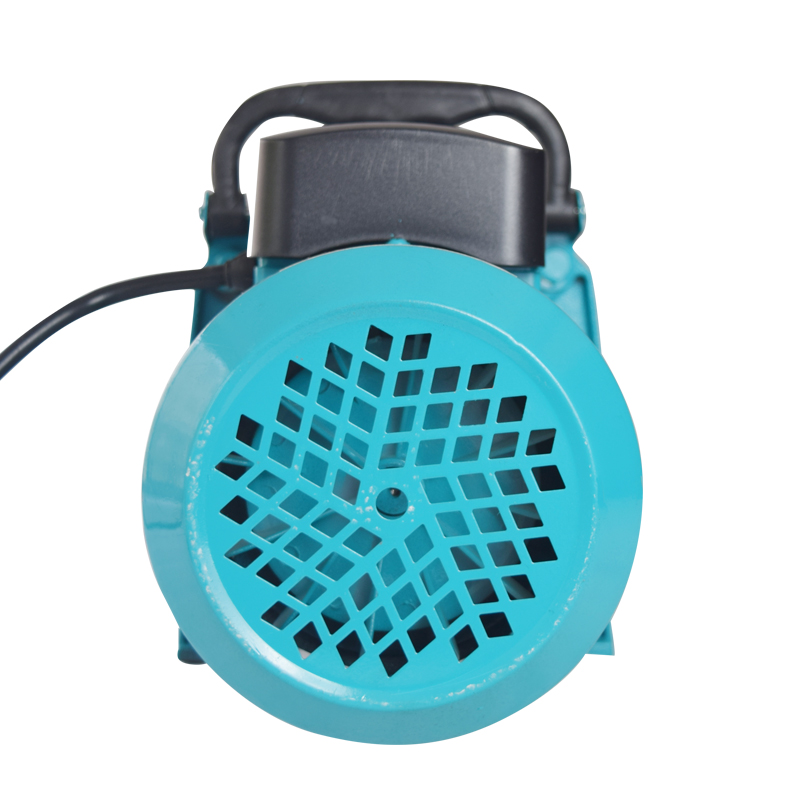
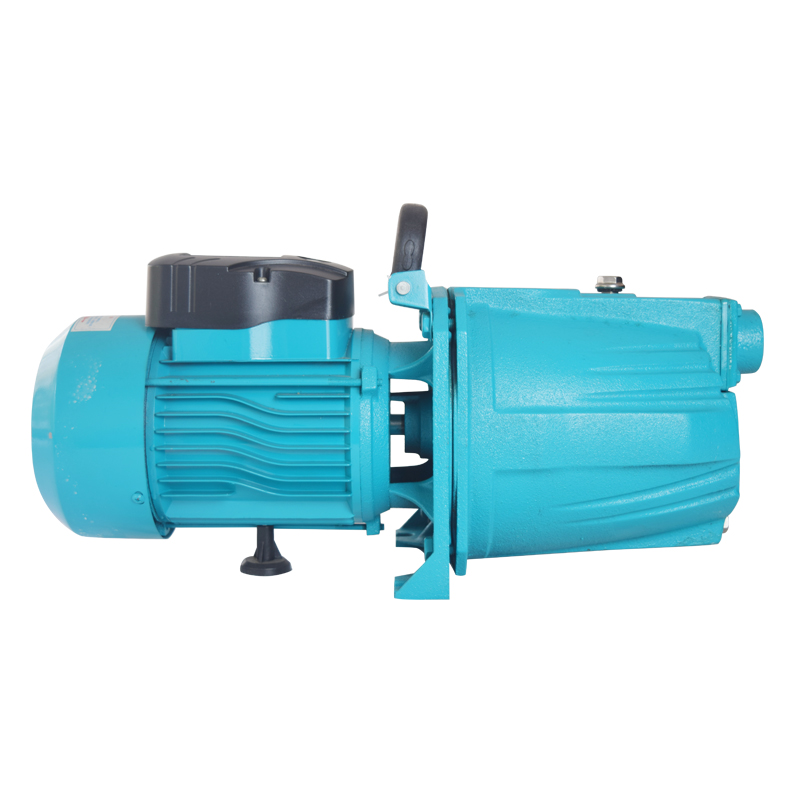
Investing in ejector pumps for sewage involves understanding  the total cost of ownership, not just the initial purchase  price. Here are key factors to consider:

Initial Cost vs. Long-term Savings: While higher-quality pumps may have a higher upfront  cost, they often provide  better  energy efficiency, lower maintenance costs, and longer lifespans, resulting in savings over time.

Operational Efficiency: Pumps that operate efficiently can  significantly reduce energy consumption. Buyers should inquire about the pump's energy rating and assess potential savings on utility bills.

Maintenance Requirements: Understanding the maintenance needs of the pump can  help buyers anticipate  future costs. Consider pumps  with features that simplify  maintenance,  such as easily accessible components for servicing.

Warranty and Support: Evaluate the warranty offered by the manufacturer, as well as the  availability of technical support. A robust warranty  can provide peace of mind in case of unexpected issues.

Resale Value: High-quality pumps tend  to retain their value better than lower-quality alternatives. Should the need to upgrade  arise, a well-maintained pump can command a better resale price.

By  considering these investment  factors, buyers can make informed decisions that  align with their budget  and operational goals.

Where to Find Reliable Suppliers for Ejector Pumps in Bulk

Where to Find Reliable Suppliers for Ejector Pumps in Bulk

Finding reliable  suppliers  for ejector pumps in bulk  is crucial for maintaining consistent operations. Here are some strategies to identify trustworthy sources:

Industry Associations: Joining industry associations can provide insights into reputable suppliers. These organizations often have directories or  can recommend manufacturers with proven track records.

Trade Shows and Expos: Attending industry trade shows allows buyers to meet suppliers face-to-face, evaluate products, and gain insights into the latest technology and trends in sewage pumping solutions.

Online Directories: Utilize online directories and platforms that specialize in industrial suppliers. Look for reviews and ratings to gauge the reliability of potential  suppliers.

Request for Quotes (RFQs): When sourcing in bulk, prepare detailed RFQs that outline your  specific  requirements.  This not only helps suppliers provide accurate pricing  but also allows you to assess  their responsiveness and  customer service.

Existing Networks: Leverage existing networks and connections within  the industry. Recommendations from colleagues or partners can lead to  discovering reliable  suppliers with whom others  have had positive experiences.

By implementing these strategies, buyers can  find suppliers who provide quality products and reliable service, ensuring  a smoother  procurement process.

Expert Insights on Ejector Pump Performance and Material Benefits

Understanding the performance aspects of ejector pumps and the benefits of various materials can significantly enhance the selection process. Here are key insights:

Material Choices: Ejector pumps may be constructed from materials such as cast iron, stainless steel, or thermoplastic. Each material  has its  benefits: stainless steel offers excellent corrosion resistance, while cast iron provides durability  and strength for heavy-duty applications. Buyers  should choose materials based on the specific conditions of  the application, including chemical exposure and temperature variations.

Pump  Design: The design of the pump, including impeller type and  motor configuration, can impact performance. For instance,  vortex impellers are effective for handling solids, while  semi-open impellers can manage fibrous materials. Understanding these design elements can help buyers  select pumps that minimize clogging and maintenance.

Testing and Quality Control: Before mass production, it’s advisable  to conduct thorough testing of samples to ensure they meet performance specifications. This might  include flow tests, pressure tests, and durability assessments.  Engaging with manufacturers  who prioritize quality control processes  can lead to better overall product reliability.

Operational Conditions: The intended operational environment should be a significant consideration in pump selection. Factors like temperature fluctuations, exposure to harsh chemicals, and  the presence of solids in the sewage can affect pump efficiency  and lifespan. Buyers should consult manufacturers to understand how specific models perform under varying conditions.

By leveraging expert insights into performance and materials, buyers can make  more informed decisions that align with their operational  needs and enhance the longevity of  their investment in ejector pumps for sewage.

Key Specifications to Consider

When evaluating ejector pumps for sewage, several key specifications must be taken into account:

Flow  Rate: This is typically measured in gallons  per minute (GPM) and indicates  the volume of sewage the  pump can handle. Choosing a pump with a flow rate suitable for your application ensures efficient operation and prevents overloading.

Head Pressure: This refers to  the vertical distance the pump can lift  the  sewage. It's essential to measure the total dynamic head (TDH), which includes static lift, friction loss, and any additional  pressure requirements from the system.

Material: The material composition of the pump influences its durability  and resistance to corrosion and  wear. Pumps  made from stainless steel or high-grade plastic are often preferred in environments with harsh chemicals or abrasive materials.

Power  Source: Ejector pumps can be  powered by electricity or  fuel. It's important to match  the  power source with the operational environment and availability.

Motor Specifications: Look for pumps with high-efficiency motors that can provide  the necessary power without excessive energy costs. Consider variable speed options for enhanced control  and energy savings.

Certifications: Ensure that the pumps meet relevant industry standards and certifications that indicate quality and reliability. This can include ISO certifications, CE marking, or other regional compliance.

Understanding these specifications allows buyers to select pumps that not only fit their operational requirements  but also ensure  longevity and reliability. Additionally, considering Industrial Water Pumps can further enhance your options.

Get a Professional Sourcing Quote

Our pump experts will review your request and reply within 12 hours.
Choose Your Needs Optional Business Type
Customization Requirements Optional
Email
Name
Company Name & Website
Message
0/1000

Related product categories