EN
EN
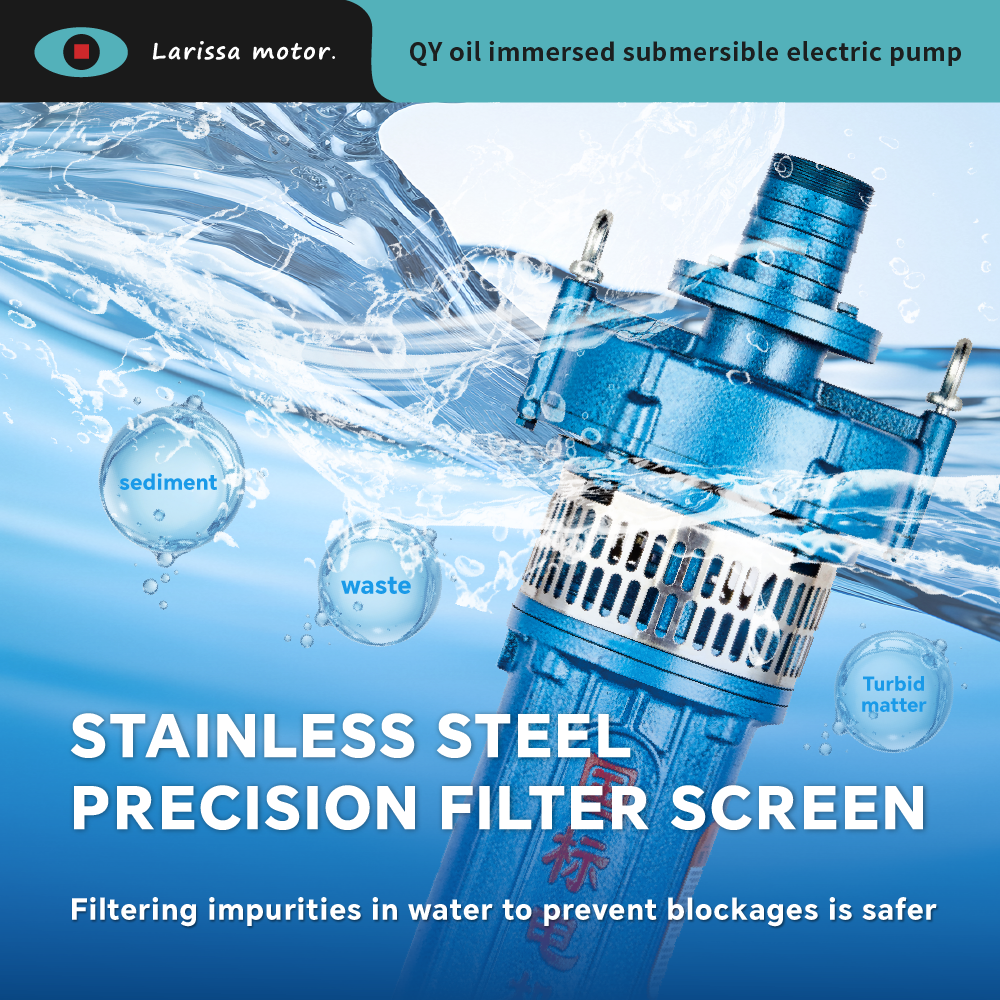
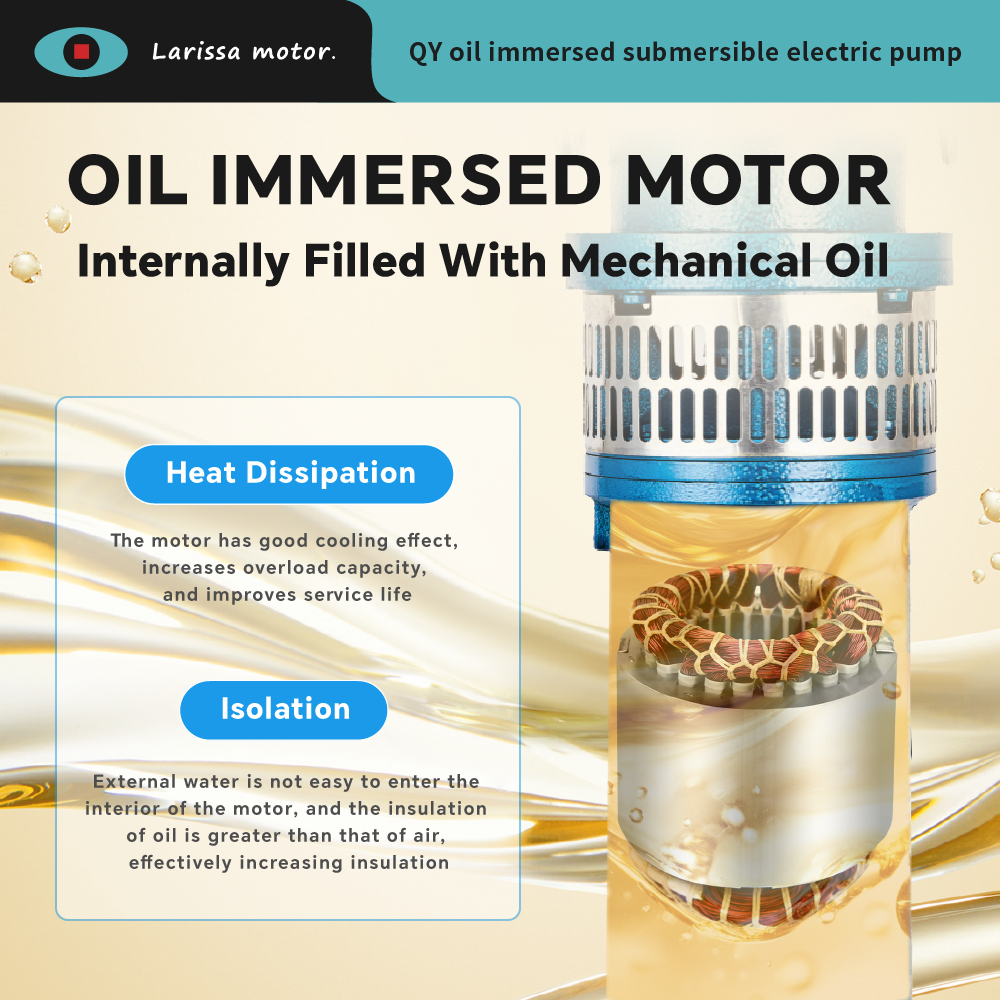
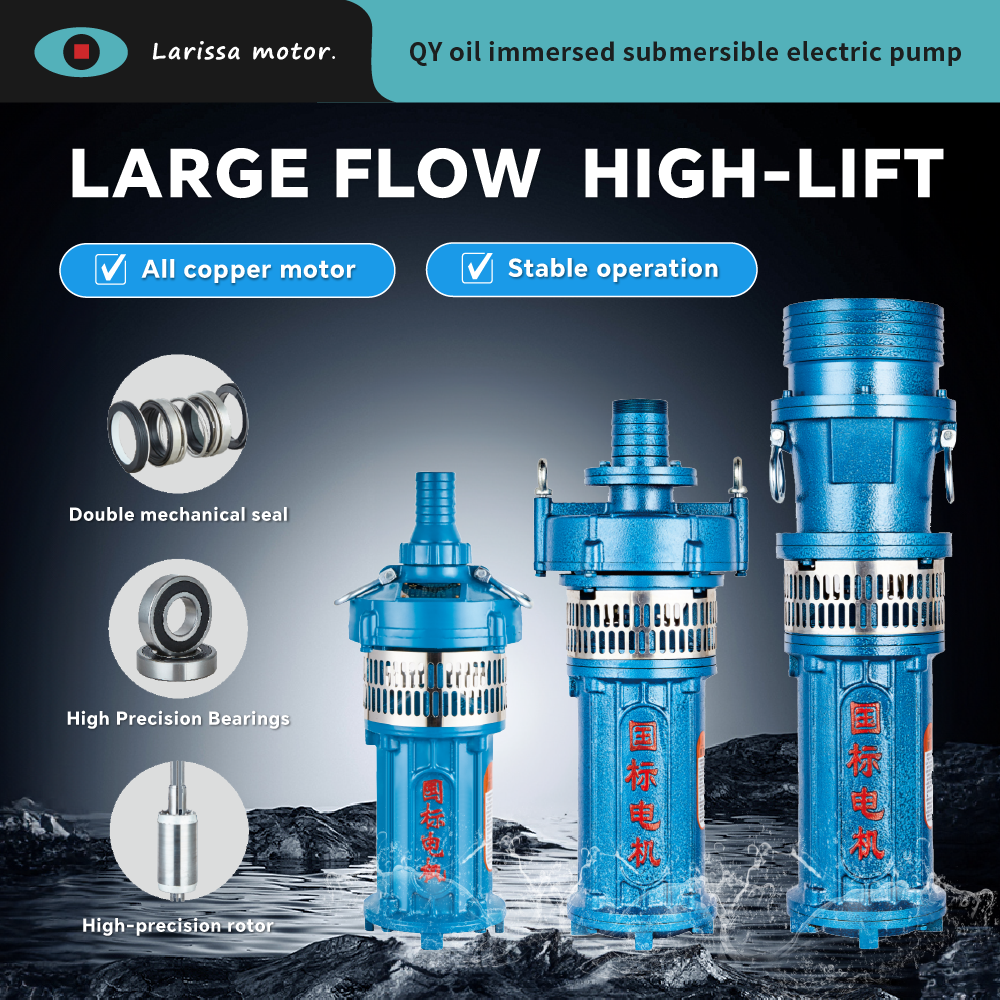
Electric pumps are essential components in various industrial and commercial applications, providing reliable fluid transfer and management. When sourcing electric pumps, buyers often have concerns about specifications, supplier reliability, cost factors, and application suitability. This article will explore key specifications to consider, how to choose reliable suppliers, cost factors for wholesale purchases, best practices for procurement, and the material advantages of electric pumps for industrial use.
How to Choose Reliable Suppliers for Electric Pumps
Selecting a trustworthy supplier for electric pumps is crucial for ensuring quality and reliability. Here are some best practices to consider:
Experience and Reputation: Look for suppliers with a proven track record in the industry. Companies with years of experience, like Larissa Motor, often have established quality control processes and a better understanding of customer needs.
Certifications and Compliance: Verify if the supplier complies with international standards and certifications relevant to the electric pumps industry. This can include ISO certifications or adherence to specific regional regulations, which indicate a commitment to quality.
Customization Capabilities: Assess the supplier’s ability to provide customized solutions. Suppliers who can adapt their products to meet unique operational requirements can offer significant advantages, especially for specialized applications.
Technical Support: Choose suppliers who provide robust technical support. This includes assistance with product selection, installation guidance, and troubleshooting. A responsive support team can be invaluable for addressing issues quickly.
Customer Reviews and References: Seeking feedback from previous customers can provide insight into the supplier’s reliability, product quality, and service levels. Positive testimonials can be a strong indicator of a supplier’s credibility.