EN
EN

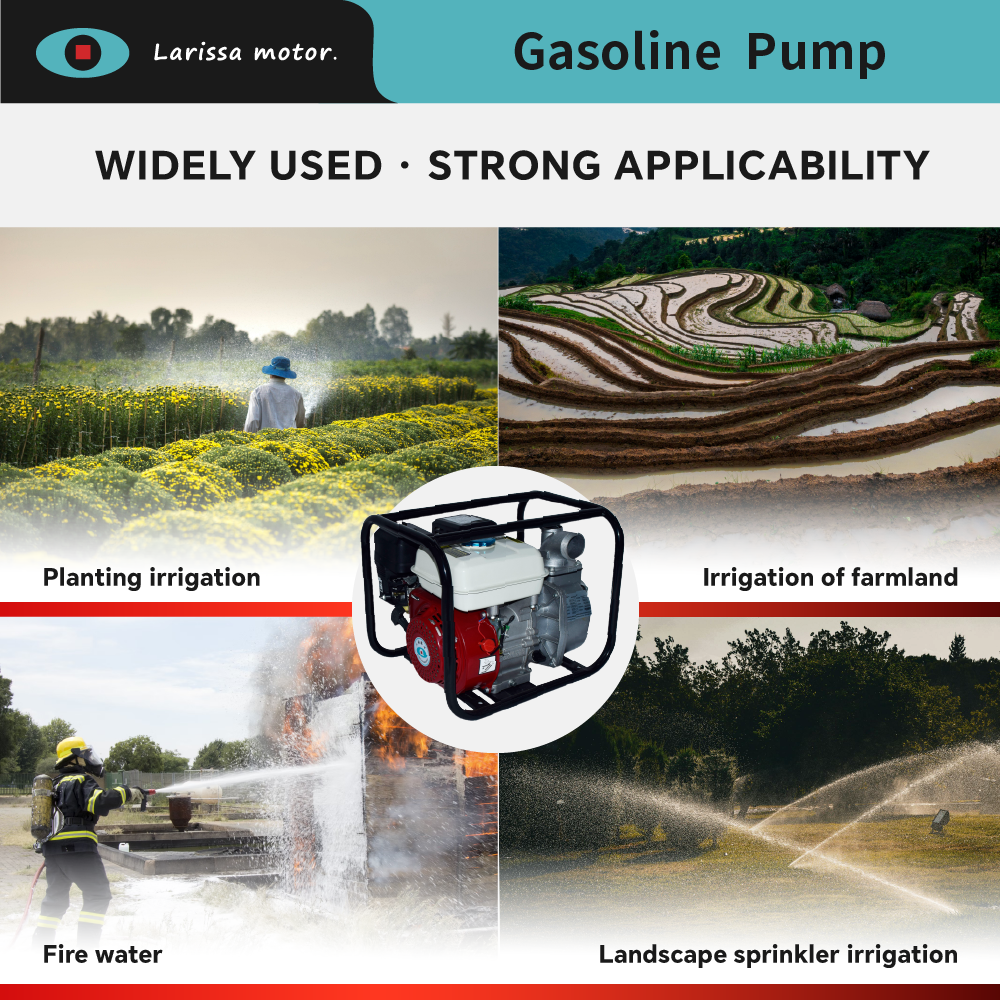
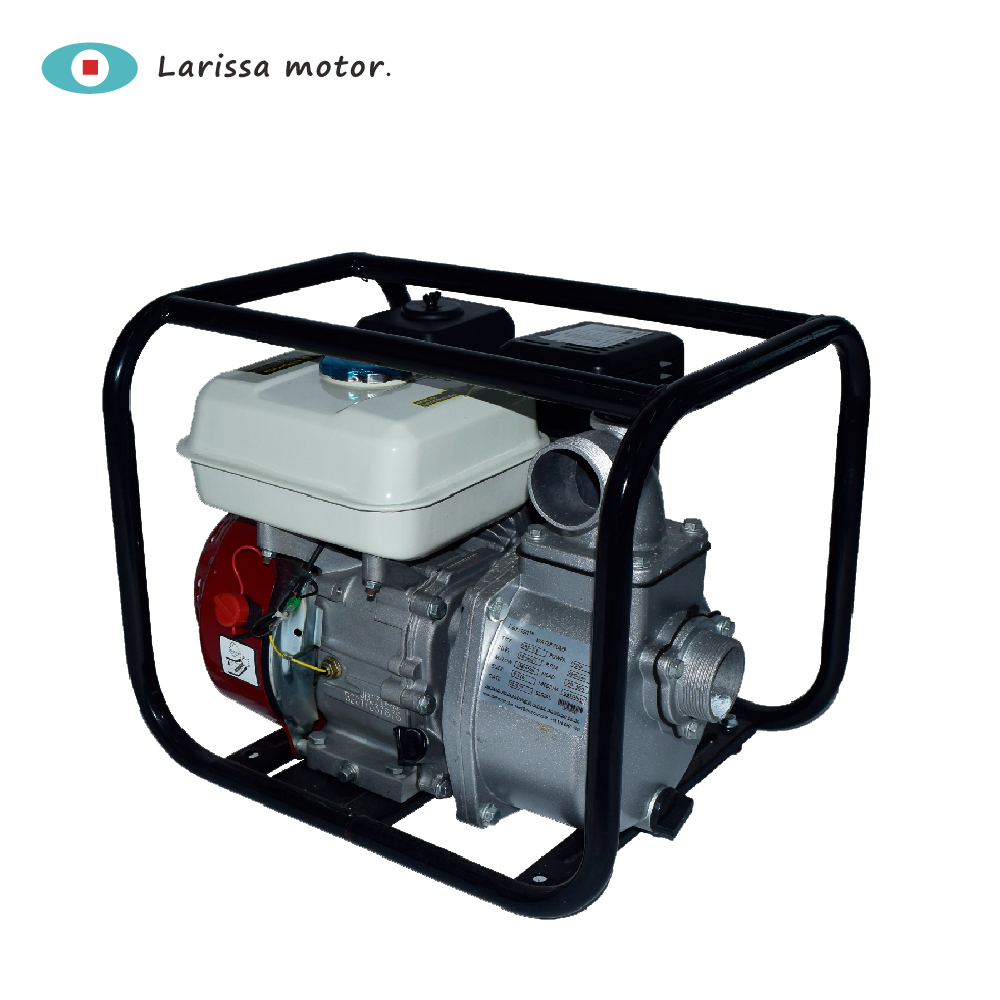
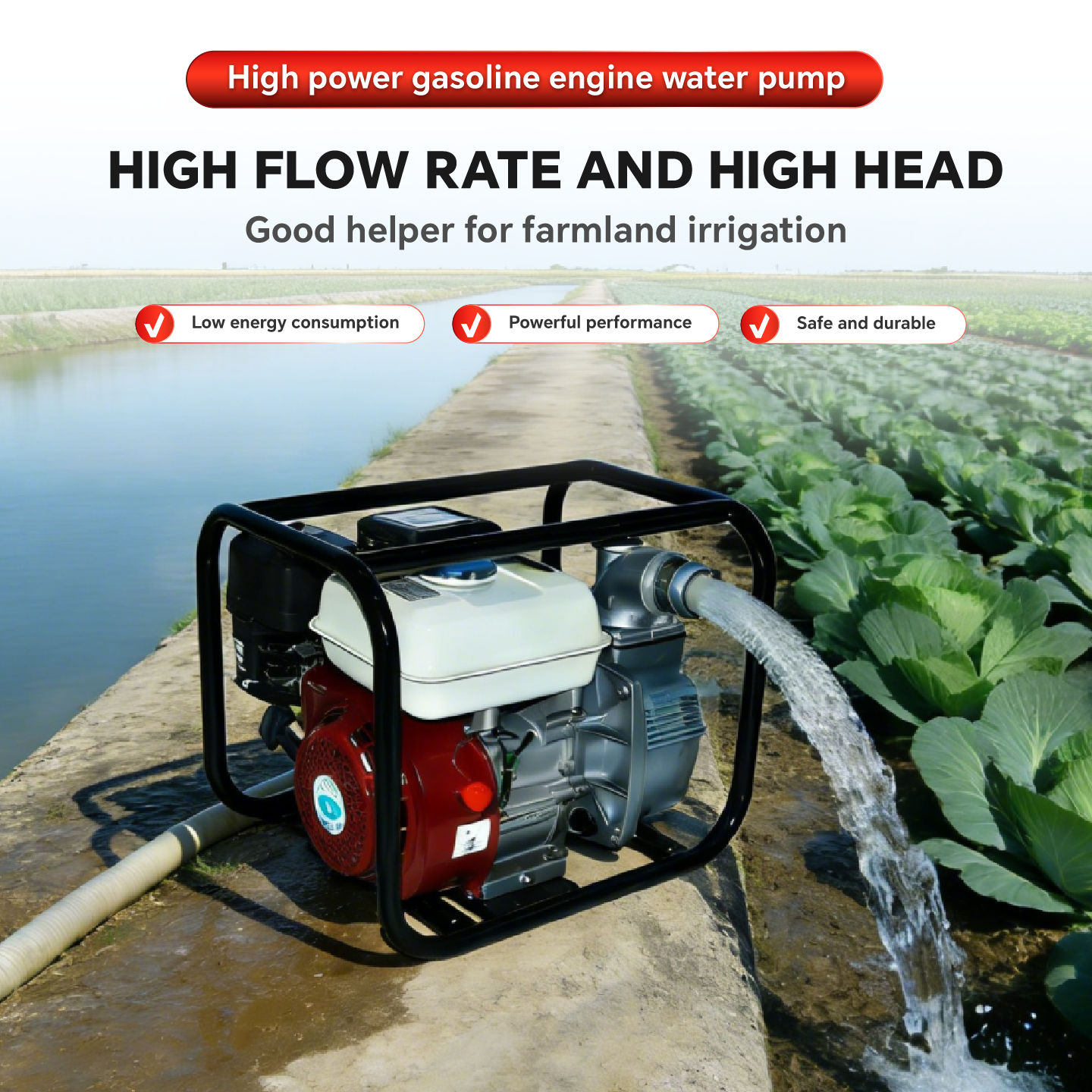
Petrol water pumps are essential devices used for transferring water in various applications, from agriculture to construction. As a B2B buyer, understanding the specifications, quality, and applications of petrol water pumps is crucial to making informed purchasing decisions. This article will guide you through the key factors to consider when selecting a petrol water pump, ensuring that you meet your project needs while optimizing performance and cost-effectiveness.
Key Specifications to Consider When Sourcing Petrol Water Pumps
When sourcing petrol water pumps, several technical specifications are critical to ensuring optimal performance. Key factors include:
Flow Rate: Measured in liters per minute (L/min), this defines how much water the pump can move within a specific timeframe. Understanding your project's requirements can help determine the necessary flow rate.
Pressure Rating: This is essential for applications requiring water to be delivered at a certain height or over a distance. The pressure rating can impact the pump's efficiency and suitability for your needs.
Engine Power: The engine's horsepower will affect the pump's performance. A more powerful engine typically results in higher flow rates and pressure capabilities, but it may also increase fuel consumption.
Port Size: The diameter of the inlet and outlet ports can affect the pump's efficiency and compatibility with existing plumbing systems.
Weight and Portability: Depending on the application, the weight of the pump may be a consideration. A lighter pump may be preferable for portable usage, while a heavier, more robust model may be needed for stationary applications.
Understanding these specifications will aid in making an informed decision, ensuring that the pump meets your project demands effectively.