Choosing the Right Pressure Booster Pump for Projects

Get a Professional Sourcing Quote

Our pump experts will review your request and reply within 12 hours.
Choose Your Needs Optional Business Type
Customization Requirements Optional
Email
Name
Company Name & Website
Message
0/1000

pressure booster pump

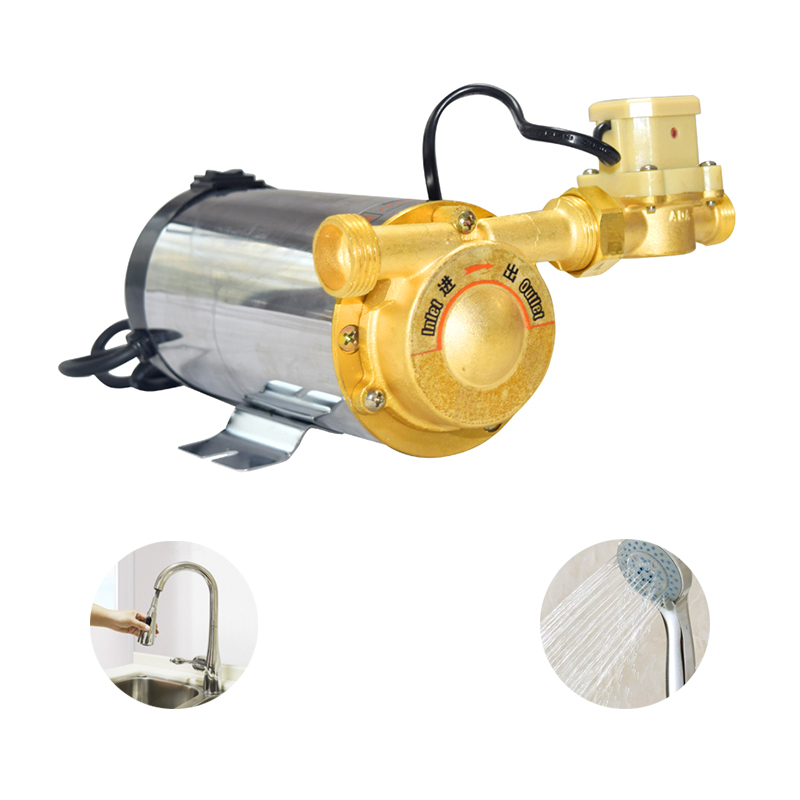
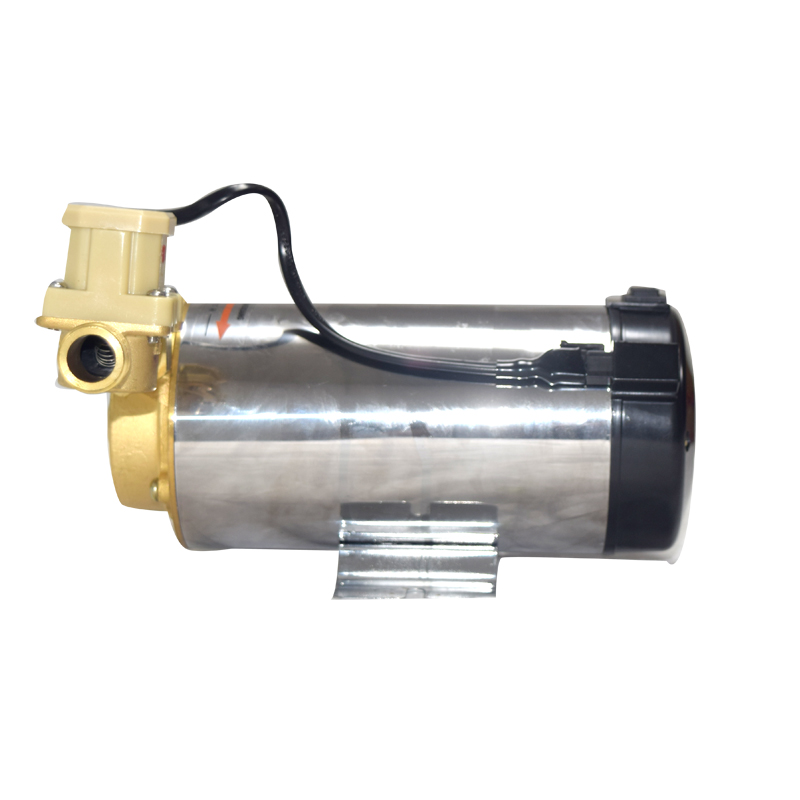
Pressure booster pumps  are essential devices that enhance water pressure in various applications,  ranging from  residential to  industrial  use. For  B2B buyers, the selection of  a  pressure booster pump  involves considerations such as specifications,  material compatibility,  and supplier reliability. This  article  aims to provide insights  into choosing  the  right pressure booster pump,  understanding critical specifications, and exploring cost factors,  helping purchasing managers  and engineers make informed  decisions for their projects.
What You Need to Know

What You Need to Know

Understanding the technical specifications of pressure booster  pumps is vital for making the right  purchasing decision. Key specifications include:

Pressure Rating:  Indicates the maximum pressure the pump can handle. Ensure this matches your system's needs to prevent damage or inefficiency. Flow Rate: Measured in liters per minute (LPM) or  gallons per minute (GPM), this tells you how much fluid the pump can move. Choose  a pump that can sustain the flow rate needed for your  application. Motor Power:  The motor’s horsepower will affect performance and  energy consumption.  A higher horsepower often translates  to  better  performance,  but  also higher operational costs. Efficiency: Look for pumps with high efficiency  ratings to minimize energy consumption and  operational costs. 

It's crucial to confirm these specifications  with the manufacturer to ensure  they align with your application needs. Misalignment can lead to inadequate pressure, increased energy  costs, or premature pump failure.
Where to Find Reliable Suppliers for Pressure Booster Pumps in Bulk

Where to Find Reliable Suppliers for Pressure Booster Pumps in Bulk

Finding trustworthy suppliers for pressure booster pumps is essential, especially for companies looking to purchase in bulk. Start by researching manufacturers known for  their quality and reliability in the industry. Some effective strategies include:

Industry  Trade Shows: Attending  trade shows provides  an opportunity to meet suppliers,  see  their products firsthand,  and discuss specific needs. Online Marketplaces and Directories: Websites specializing in industrial products often feature user reviews  and ratings to help assess supplier credibility. Referrals and Recommendations: Networking within your industry can lead to valuable  recommendations for reputable suppliers. Certifications and Standards Compliance: Ensure  that potential suppliers  comply with international manufacturing standards, which  enhances trust  in their  product quality.

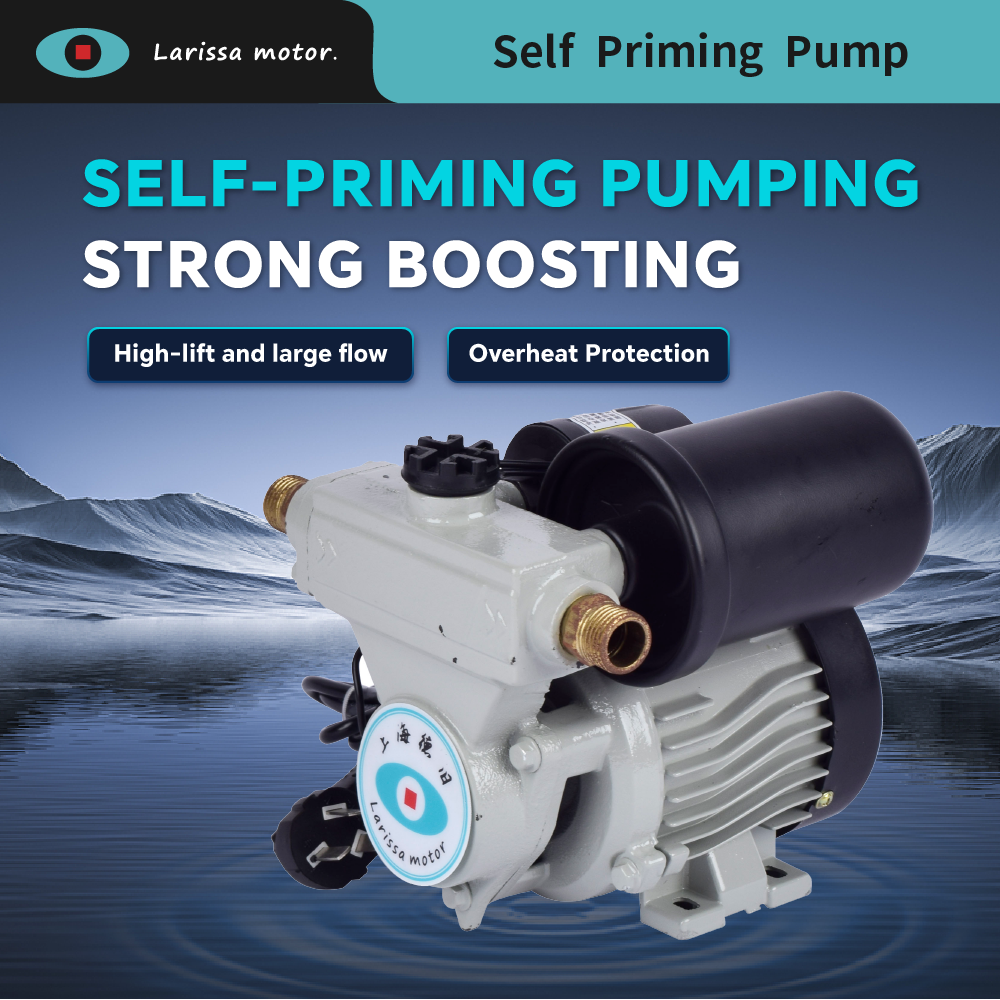
Larissa  Motor, known for its high-quality electromechanical products, is an example of a manufacturer that meets international standards, offering reliability  and performance. Look for  suppliers with a proven track record in your specific application area to  ensure a  successful partnership.

 
Cost Factors to Consider When Purchasing Pressure Booster Pumps Wholesale

Cost Factors to Consider When Purchasing Pressure Booster Pumps Wholesale

When purchasing pressure booster pumps wholesale, several cost factors must be considered to ensure  that  you receive  the best value  for your investment:

Material Costs: The type of  materials used in the pump  affects  both the  initial purchase price and long-term operational costs. Stainless steel pumps,  while more expensive, often offer better durability and resistance to corrosion. Customization Costs: If your application requires customized pumps,  factor in  these additional costs.  Custom designs may  involve higher upfront costs but can lead  to improved performance and longevity. Shipping and Handling: For bulk purchases, shipping  costs can significantly impact  the overall price. Always inquire about shipping options, lead times, and  potential hidden fees.  Maintenance and Operation Costs: Consider the pump's energy efficiency, as higher efficiency can lead to reduced operational costs over time. Additionally, assess how easy the pump is to maintain, as lower maintenance requirements can also save money.

When discussing  costs  with suppliers, ensure you have a clear understanding of all the factors that contribute to the final price, helping you make a more informed purchasing decision.

Step-by-Step Overview

To streamline the purchasing process for  pressure booster pumps, follow this step-by-step overview:

Identify Your Requirements: Define the specific needs of your application, including flow  rate, pressure, and environmental conditions. Research Suppliers: Compile a list  of  potential suppliers,  focusing on those with a track record of quality and reliability.  Request Quotations: Send  detailed RFQs (Request  for Quotation) that include your requirements, desired specifications, and any customization needs. Evaluate Proposals: Compare  the proposals based on price, specifications, lead time, and supplier reputation. Pay special attention to the quality assurance  processes described by each supplier. Request  Samples: Before committing  to a large order, request samples to evaluate performance  under actual operating conditions. This step is crucial  to avoiding issues during mass production. Negotiate Terms:  Discuss  pricing, payment terms, and delivery schedules with your chosen supplier. Clear communication  can lead to better deals and improved relationships. Finalize Order: Once all  terms are agreed upon, finalize your order and confirm production timelines. Ensure that you receive documentation on specifications, warranties, and maintenance guidelines.

By following these steps, you  can mitigate risks associated with purchasing  pressure booster pumps and ensure you select a product that meets your operational needs.

How to Choose the Right Pressure Booster Pump for Your Projects

Selecting the appropriate  pressure booster pump involves understanding your project's  specific needs.  Key factors to consider include the required flow rate, pressure increase, and the fluid  being pumped.  For example, if  you're boosting water for a manufacturing process,  knowing the maximum flow rate (measured in liters per minute  or gallons per minute) is  crucial.

Also, consider the pump's design and material. Stainless steel pumps are ideal for corrosive environments, while plastic pumps may  suffice for  less demanding  applications. Assessing the pump's operating  conditions,  such as temperature and pressure, ensures compatibility with your system. For instance, if you're looking for a solution to handle wastewater, consider the Efficient Cutter Submersible Sewage Pump for Wastewater Treatment for its high efficiency and reliability.

Customization options are another important aspect; many manufacturers, including  Larissa  Motor, offer tailored  solutions that meet unique application requirements. Always verify the pump's specifications  against  your project needs to avoid operational inefficiencies or failures.


Get a Professional Sourcing Quote

Our pump experts will review your request and reply within 12 hours.
Choose Your Needs Optional Business Type
Customization Requirements Optional
Email
Name
Company Name & Website
Message
0/1000

Related product categories