EN
EN
Choosing the right scroll pump for your application is crucial for ensuring efficiency, reliability, and cost-effectiveness in your operations. Scroll pumps are used in various industries for their unique ability to create a vacuum with minimal noise and vibration. However, B2B buyers often face concerns about compatibility with existing systems, performance specifications, and overall quality. This article will guide you through the process of selecting the right scroll pump, evaluating key specifications, understanding the quality control processes involved in manufacturing, assessing cost factors for wholesale purchasing, and addressing common installation challenges.
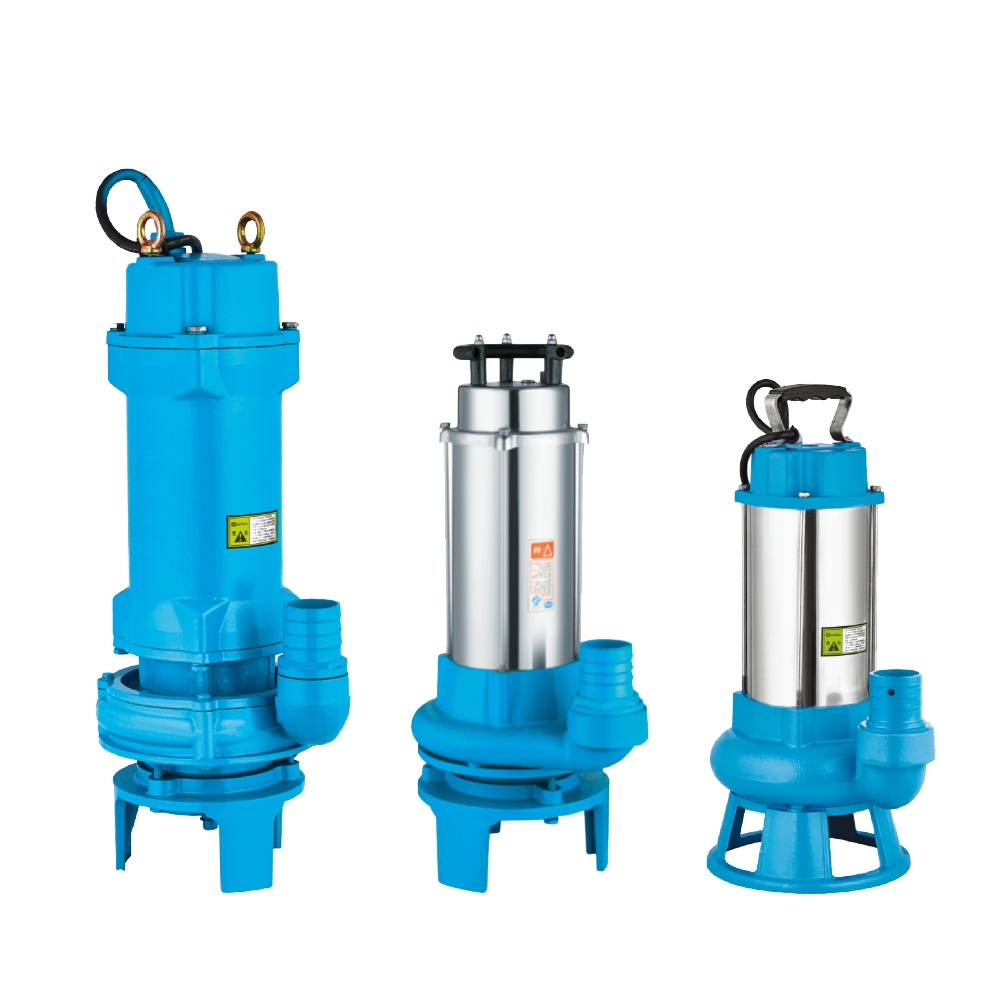
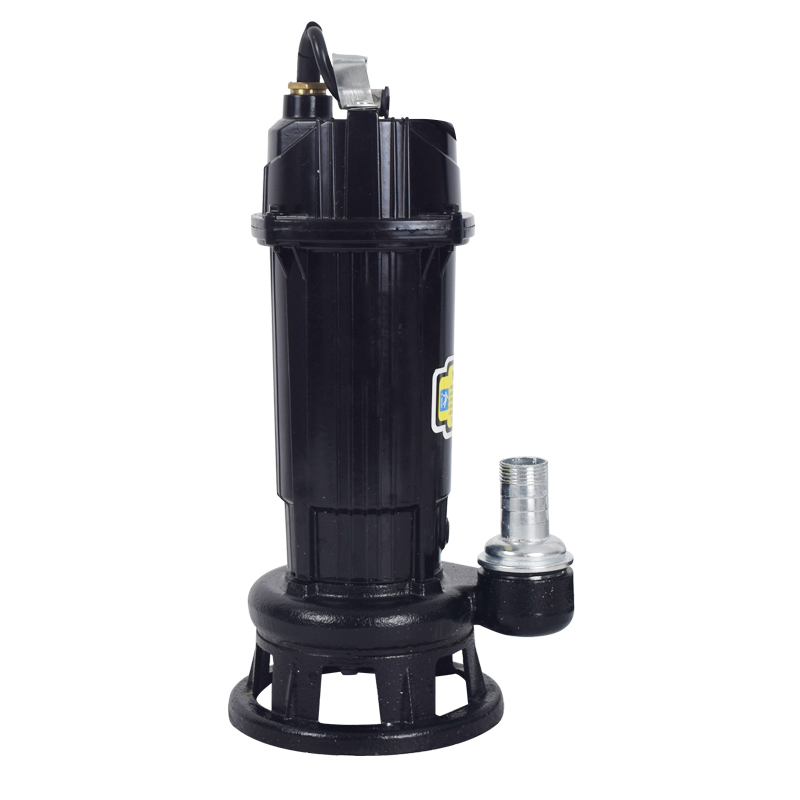
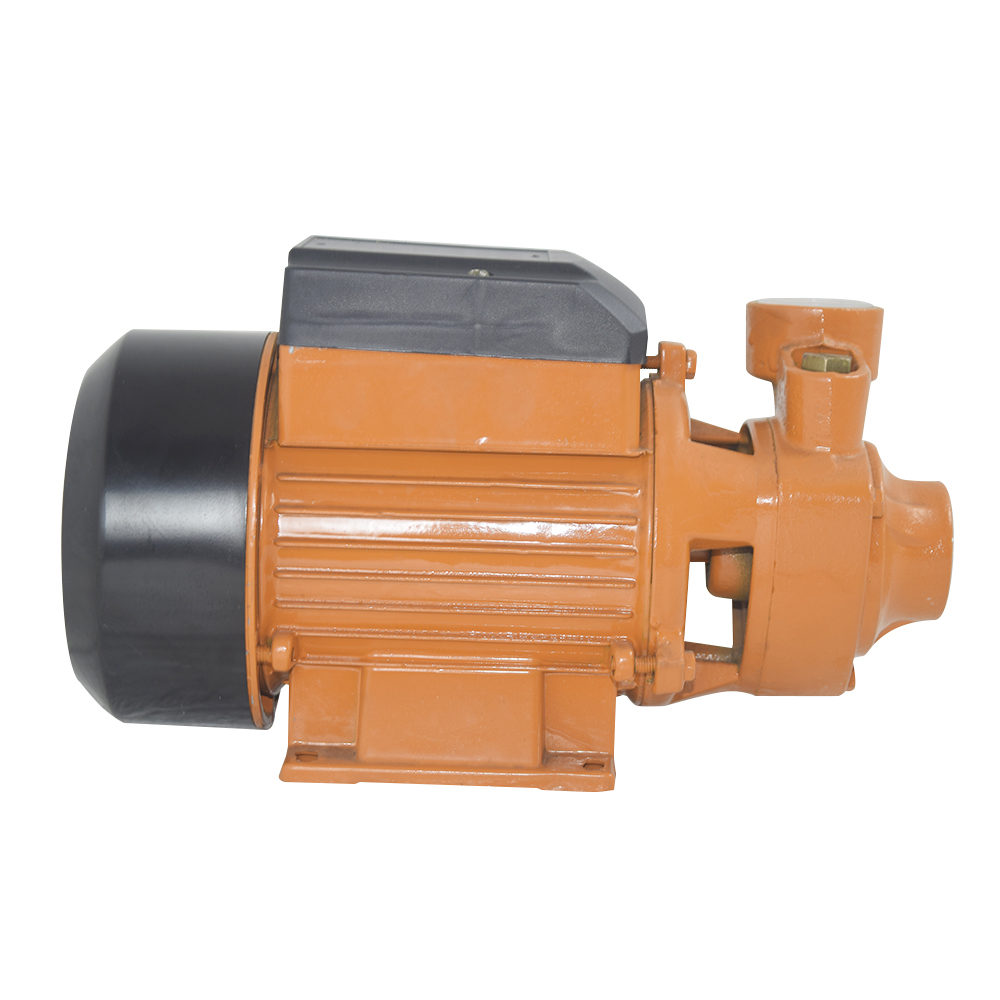
Key Specifications to Evaluate When Sourcing Scroll Pumps
Several key specifications should be carefully evaluated when sourcing scroll pumps:
Vacuum Level: Measure the ultimate vacuum achievable by the pump. This specification will help ensure that the pump meets the needs of your application, whether it's for laboratory processes, industrial vacuum packaging, or other functions.
Flow Rate: Assess the pump's capacity to move gas. This is usually expressed in liters per minute (L/min) and will depend on the specific operational conditions.
Power Consumption: Consider the energy efficiency of the pump. A lower power requirement can lead to significant cost savings over time, making it an important specification for many buyers.
Material Compatibility: Ensure that the materials used in the pump's construction are suitable for the gases or vapors it will handle. This includes checking for resistance to corrosive substances or high temperatures.
Noise Level: For applications where sound is a concern, such as in laboratory settings, the noise produced by the pump should be within acceptable limits.
Understanding these specifications will not only help you choose the right scroll pump but also inform discussions with suppliers regarding customization or special requirements.