EN
EN
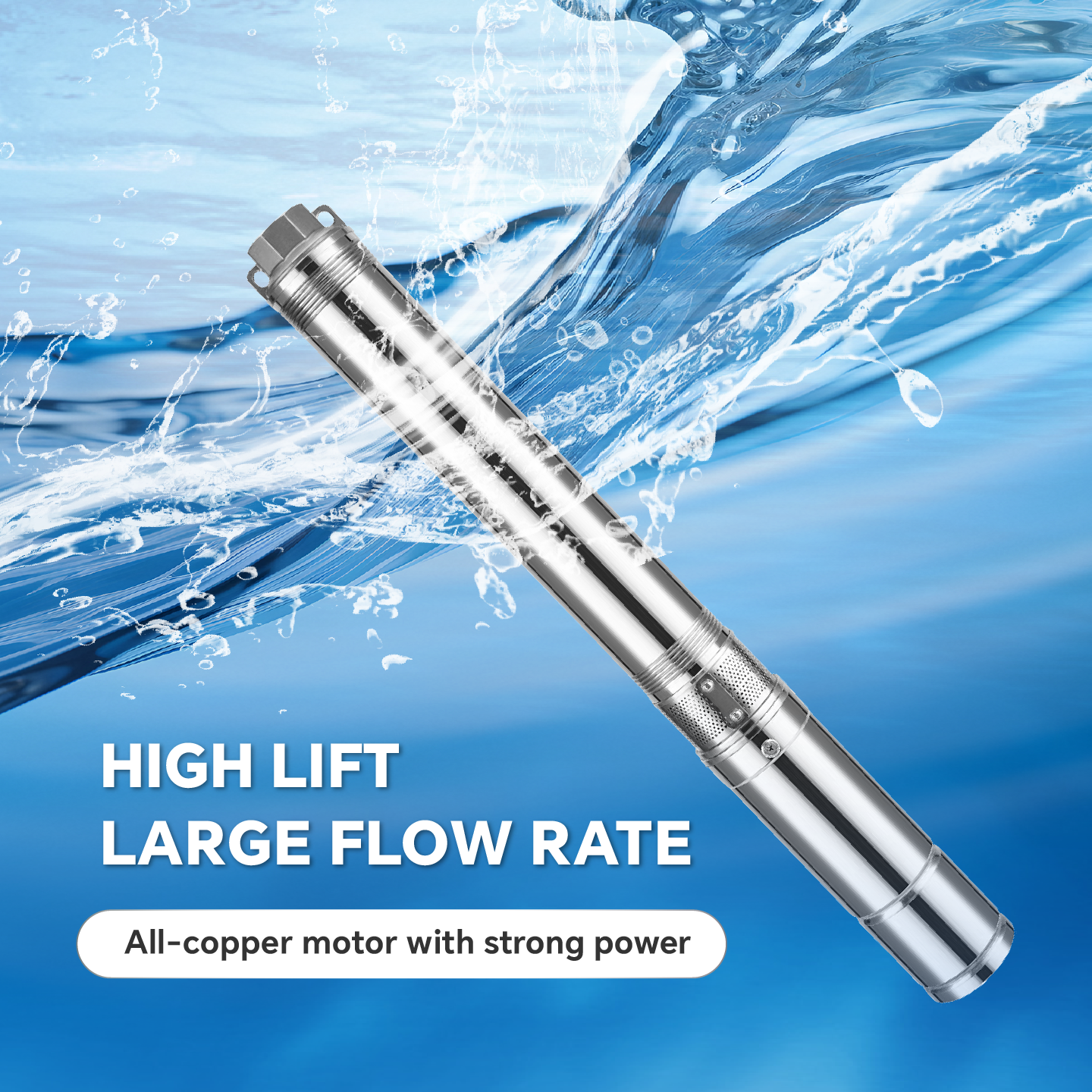
Solar powered irrigation pumps are innovative solutions designed to provide efficient water management in agricultural settings. These pumps harness solar energy, making them an environmentally friendly and cost-effective alternative to traditional fuel-powered or electric pumps. B2B buyers, including purchasing managers and agricultural engineers, are often concerned with specifications, application suitability, and supplier reliability when considering these products. This article will explore the key specifications of solar powered irrigation pumps, their top applications in agriculture, reliable suppliers, installation guidance, and what to expect when integrating these systems into your operations.
Top Applications for Solar Powered Irrigation Pumps in Agriculture
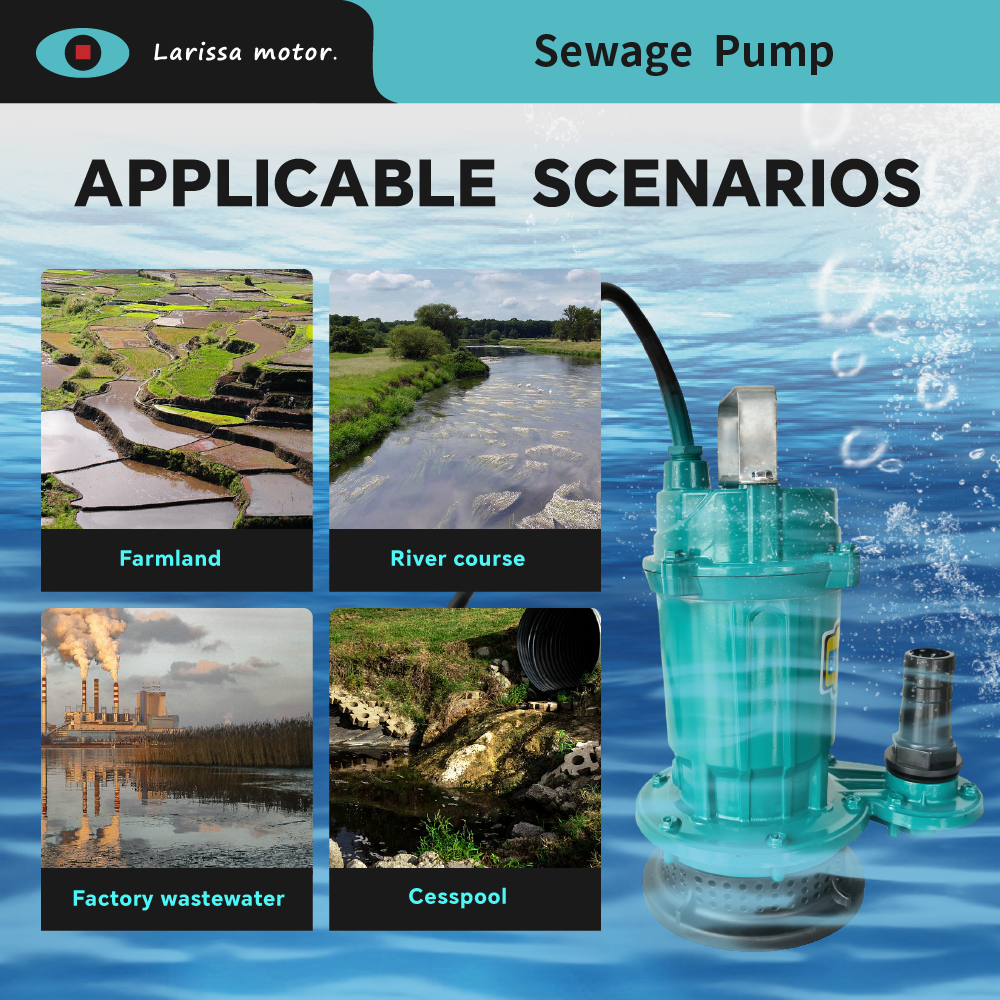
Solar powered irrigation pumps are particularly beneficial in various agricultural applications:
Drip Irrigation Systems: These systems deliver water directly to the plant roots, minimizing waste. Solar pumps can efficiently power drip systems in remote locations, reducing dependence on traditional power sources.
Sprinkler Irrigation: For larger crop fields, solar powered pumps can facilitate sprinkler irrigation, ensuring even water distribution. They are especially useful in regions where electricity supply is unreliable.
Livestock Watering: Solar pumps can be used to provide a consistent water supply for livestock, ensuring their hydration needs are met without the need for extensive infrastructure.
Turf and Landscape Irrigation: Beyond agricultural applications, these pumps can effectively manage water distribution in landscaping and turf management, allowing for sustainable water use.
Aquaculture: Solar powered pumps can also be utilized in aquaculture for maintaining water levels and quality in fish farms, proving their versatility across different agricultural sectors.
These applications highlight how solar powered irrigation pumps can enhance efficiency and sustainability in agricultural practices.