
Choosing the Right Solar Water Pump for Your Pond

Get a Professional Sourcing Quote

Our pump experts will review your request and reply within 12 hours.
Choose Your Needs Optional Business Type
Customization Requirements Optional
Email
Name
Company Name & Website
Message
0/1000

solar water pump for pond

When considering a solar water pump for pond applications, it is crucial to understand the various factors that influence performance, efficiency, and overall suitability for your specific needs. Solar water pumps utilize renewable energy to circulate water, making them ideal for eco-friendly pond management. This article will address common buyer concerns, such as product specifications, installation guidance, and supplier reliability, helping you make informed purchasing decisions.
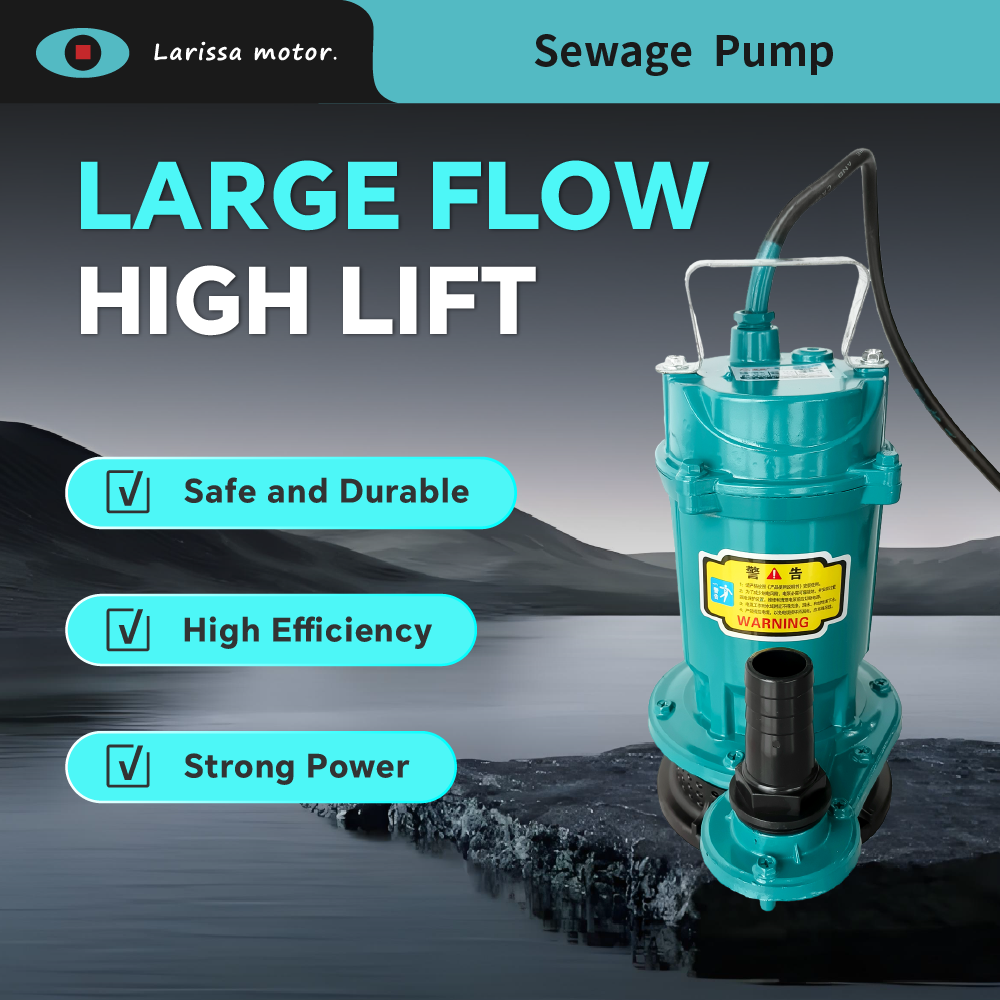
Understanding Quality Control in Solar Water Pump Manufacturing

Understanding Quality Control in Solar Water Pump Manufacturing

Quality control is a vital aspect of solar water pump manufacturing, ensuring that each unit meets international standards. Effective quality control processes begin with material selection, where components are chosen based on durability, resistance to corrosion, and overall performance.

During production, manufacturers conduct various tests, including performance evaluations and durability assessments, to verify that pumps operate efficiently under expected conditions. For instance, Larissa Motor implements stringent quality checks at every stage of production, from initial design validation to final performance testing, ensuring that the end product meets the highest standards.

Additionally, certifications from recognized bodies can provide further assurance of a product's quality. Buyers should inquire about any relevant certifications that demonstrate the integrity of the manufacturing process and the reliability of the solar water pump.
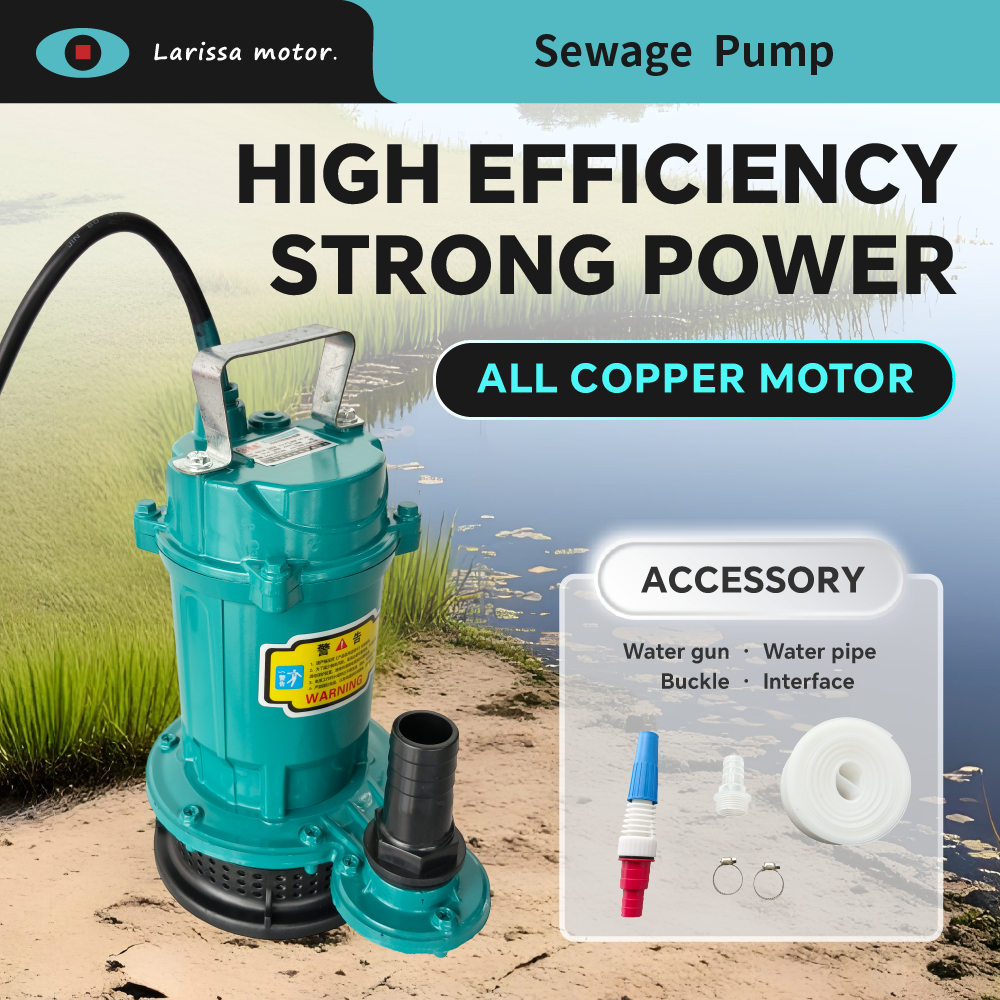
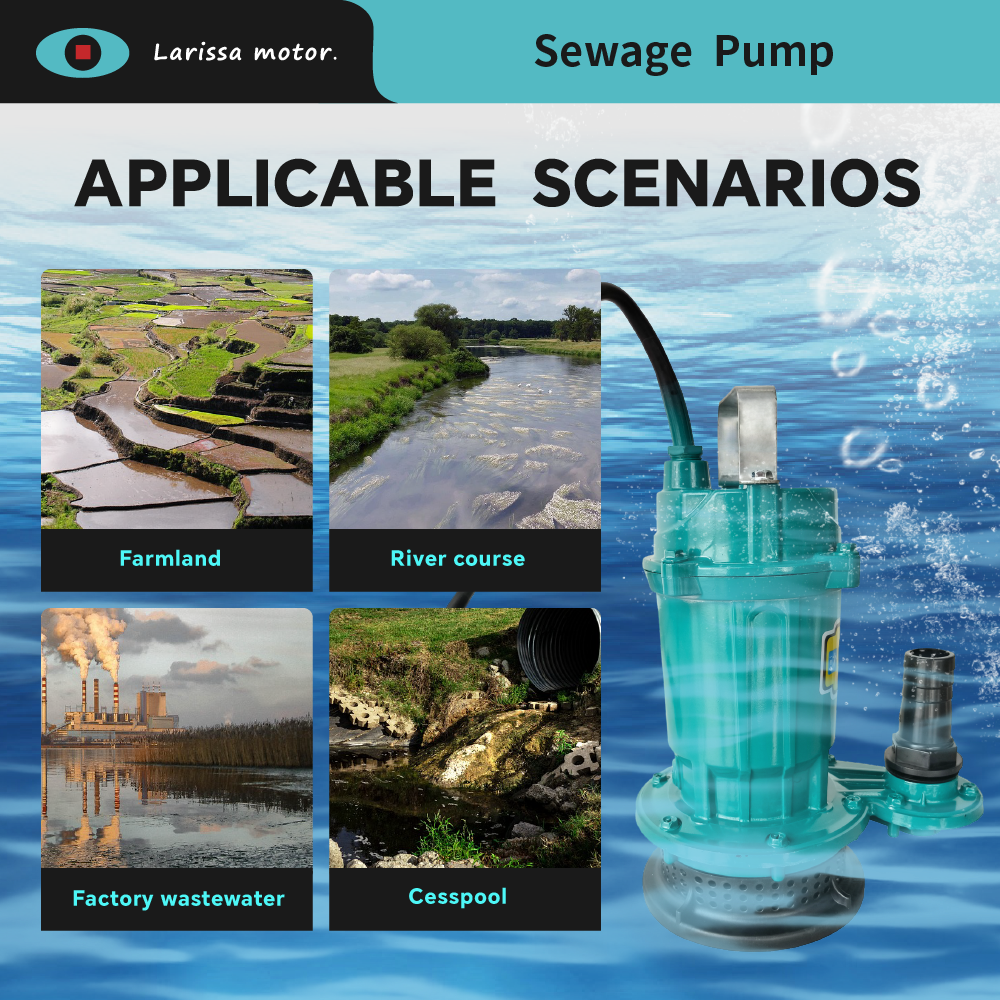
Installation Guidance for Efficient Solar Water Pump Setup

Installation Guidance for Efficient Solar Water Pump Setup

Proper installation of a solar water pump is crucial for optimal performance and longevity. Start by selecting a suitable location for both the pump and the solar panels, ensuring ample sunlight exposure throughout the day. When placing the panels, consider any potential obstructions that may cast shadows and reduce energy output.


Next, follow the manufacturer's instructions for connecting the pump to the solar panel system. Ensure all connections are secure and weatherproofed to prevent water damage. It's advisable to use high-quality cables that can withstand outdoor conditions.

During installation, consider incorporating a filtration system to prevent debris from entering the pump, which can lead to performance issues. Additionally, regular maintenance checks, such as cleaning the solar panels and inspecting the pump for wear, can significantly enhance operational efficiency.

How Material Choices Impact Solar Water Pump Performance

How Material Choices Impact Solar Water Pump Performance

The materials used in manufacturing solar water pumps play a significant role in their overall performance and durability. Common materials include high-grade plastics, stainless steel, and aluminum, each offering distinct advantages.


For example, pumps made from high-grade plastics are typically lightweight and resistant to corrosion, making them suitable for freshwater applications. However, they may not perform as well in harsher environments where UV exposure and extreme temperatures are factors.

On the other hand, stainless steel components provide enhanced durability and resistance to corrosion but can add weight to the pump. Aluminum is another viable option, known for its lightweight properties and resistance to rust, but it may require additional treatment to protect against corrosion in aggressive environments.

When selecting a solar water pump, it’s essential to consider the environmental conditions it will face and choose materials that suit those conditions. Consulting with a manufacturer like Larissa Motor can help ensure optimal material choices for your specific application.

Evaluating Supplier Reliability for Solar Water Pump Purchases

When purchasing a solar water pump, evaluating supplier reliability is crucial to ensure a successful transaction and ongoing support. Begin by examining the supplier's reputation in the industry. Look for companies with a long history of manufacturing high-quality products and positive customer reviews.

Additionally, assess the supplier's manufacturing capabilities. A reliable manufacturer should have robust quality control processes, advanced production equipment, and the ability to customize products according to your specifications. For instance, Larissa Motor's in-house development and manufacturing capabilities allow for tailored solutions that meet varied customer needs, such as the Solar Powered Deep Well Submersible Pump for Off-Grid Water Supply & Irrigation.


Communication is another key factor in supplier reliability. A responsive supplier willing to provide detailed product information, answer questions, and support you through the purchasing process demonstrates their commitment to customer satisfaction.

Finally, consider the supplier's capacity for after-sales support, including warranty offerings and maintenance services. A trustworthy supplier will not only sell the product but also stand behind it, providing assistance throughout its lifecycle.


By carefully considering these factors, you can make an informed decision when selecting a solar water pump for your pond, ensuring that it meets your performance needs while being backed by a reliable supplier.

Choosing the Right Solar Water Pump for Your Pond Applications

Selecting the appropriate solar water pump for your pond involves evaluating several critical factors. Firstly, assess the pump's flow rate, which is typically measured in gallons per minute (GPM). The flow rate should match the size of your pond; a larger pond requires a pump with a higher flow rate to ensure effective water circulation and aeration. For instance, consider a DC CPM Centrifugal Water Pump for Solar Irrigation & Agricultural Water Transfer for enhanced efficiency.

Next, consider the total dynamic head (TDH), which refers to the height the pump needs to lift water. This measurement is crucial because it directly impacts the pump's performance. A pump designed for low TDH may struggle in applications requiring greater elevation, leading to inefficiencies.

Another important aspect is the pump's power source. Most solar water pumps rely on photovoltaic panels, and understanding the wattage required for your specific pump is essential. Ensure that the solar panel setup can provide sufficient energy under varying weather conditions to maintain consistent operation.

Lastly, customization options may be necessary to adapt the pump to your specific pond conditions. Companies like Larissa Motor, known for their advanced design and in-house manufacturing capabilities, can offer tailored solutions to meet unique requirements.


Get a Professional Sourcing Quote

Our pump experts will review your request and reply within 12 hours.
Choose Your Needs Optional Business Type
Customization Requirements Optional
Email
Name
Company Name & Website
Message
0/1000

Related product categories