EN
EN

Solar pumps are an innovative and efficient solution for various water supply needs, harnessing renewable energy to power the pumping process. As a B2B buyer, understanding how to select the right solar pump for your projects is crucial. You may have concerns about specifications, sourcing, cost, and applications in different industries. This article will guide you through essential considerations, ensuring you make informed decisions when purchasing solar pumps.
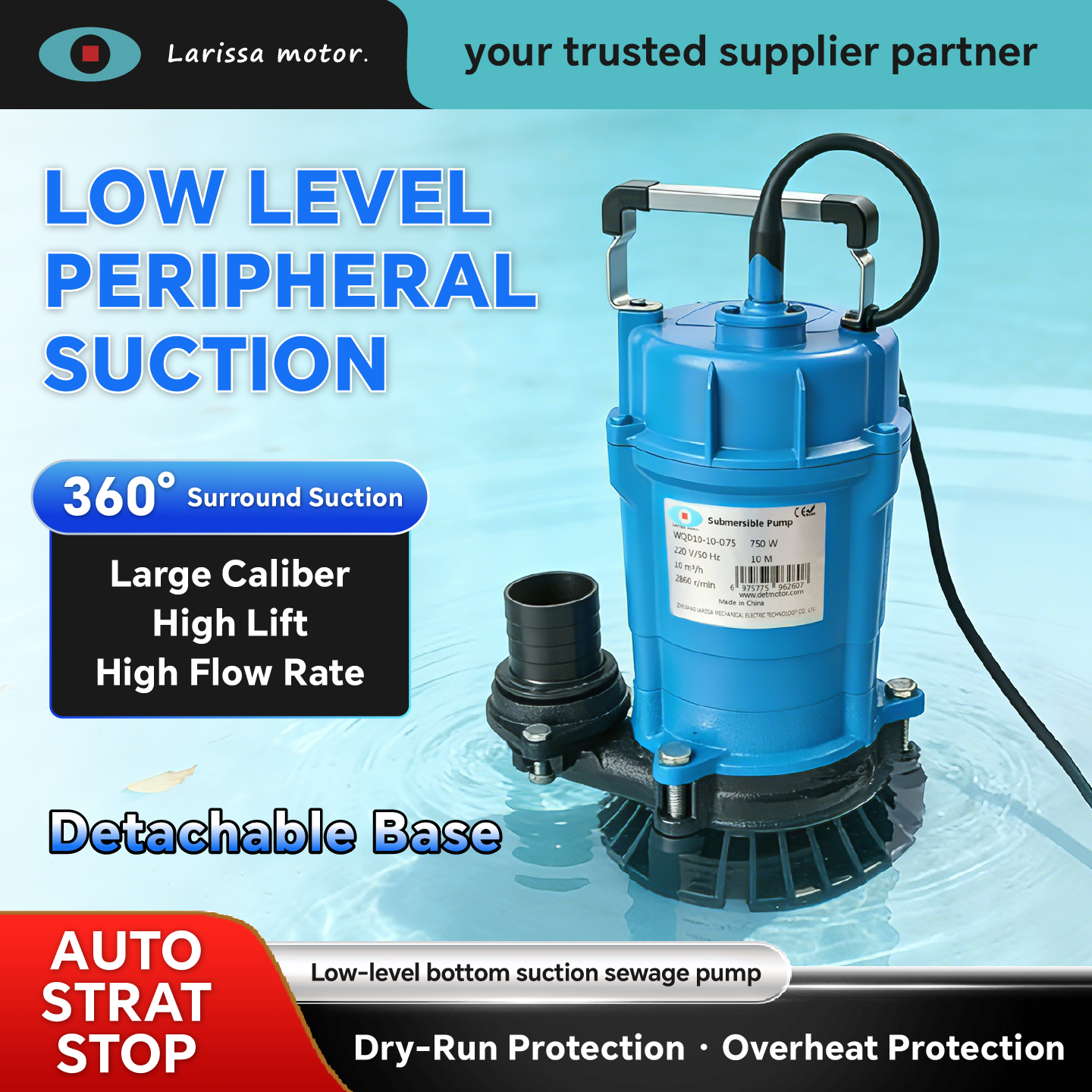
Key Specifications to Consider for Solar Pumps
When evaluating solar pumps, several key specifications are important to consider:
Flow Rate: Measured in liters per minute (LPM) or gallons per minute (GPM), the flow rate indicates how much water the pump can move. This is essential for meeting the demands of your application.
Total Dynamic Head (TDH): As previously mentioned, TDH is the height the pump can lift water. Ensure this meets or exceeds the requirements of your installation site.
Power Consumption: This indicates how efficiently the pump utilizes solar energy. Look for pumps with lower power consumption for cost-effective operation, especially if the system will run continuously.
Material and Durability: The pump's construction material affects its longevity and performance. Pumps made from corrosion-resistant materials, such as stainless steel or high-grade plastics, are ideal for harsh environments.
Operational Temperature: Different pumps have varying tolerance levels for temperature fluctuations. Ensure the pump can operate efficiently in the environmental conditions of your project.
Understanding these specifications will help you evaluate potential solar pumps effectively, ensuring they align with your operational requirements.