 EN
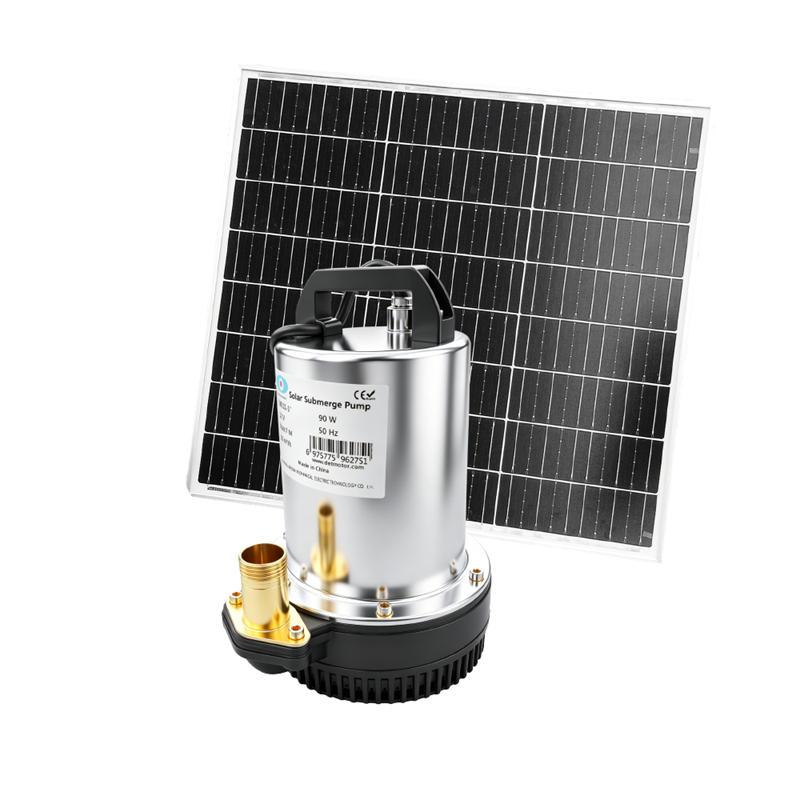
Understanding how water pump suppliers match pumps with piping systems is crucial for optimizing fluid transport in various applications. This process involves selecting the right pump based on specifications, system compatibility, and operational demands. B2B buyers such as purchasing managers, engineers, and product managers often face challenges when sourcing pumps, including quality assurance, customization options, and understanding technical parameters. This article aims to provide insights into effectively matching water pumps with piping systems, ensuring optimal performance and minimizing common issues.
How to Choose the Right Water Pump for Your Piping System
Choosing the right water pump involves evaluating several critical factors. First, consider the application requirements such as flow rate, pressure, and the type of fluid being transported. Understanding the operational environment is essential; for example, specific pumps are better suited for handling corrosive fluids or high-temperature applications.
Next, assess the compatibility of the pump with the existing piping system. Factors like diameter, material, and layout can impact the efficiency of fluid transport. Pumps must be appropriately sized to ensure they can handle the system's hydraulic requirements without excessive wear or energy consumption.
Lastly, consider the pump's operational features, such as energy efficiency, ease of maintenance, and noise levels. Consulting with suppliers can provide valuable insights into which products best fit your specifications.
Key Specifications to Consider When Sourcing Water Pumps Wholesale
When sourcing water pumps wholesale, several specifications should be prioritized:
Flow Rate: Measured in gallons per minute (GPM) or liters per minute (LPM), this indicates how much fluid the pump can move. It should align with system demands to avoid underperformance or overloading.
Total Dynamic Head (TDH): This specification determines how high the pump can raise water, accounting for friction losses in piping. Understanding TDH is critical for ensuring that the pump can deliver fluid effectively to the desired location.
Material: The pump material should be suitable for the fluid being pumped. For example, stainless steel or plastic may be ideal for corrosive liquids, while cast iron can be used for water applications.
Power Requirements: Evaluate the pump's power consumption and motor type. Energy-efficient models can significantly reduce operational costs while ensuring adequate performance.
Customization Options: Many suppliers offer customization in terms of size, material, and additional features. Discussing these options can help align the pump's capabilities with your specific requirements.
What to Look for in Water Pump Vendors
Selecting a reliable industrial water pumps vendor is as crucial as choosing the right pump. Here are several key attributes to consider:
Experience and Expertise: Look for vendors with a proven track record in the industry. Their experience should reflect an understanding of various applications and technical challenges.
Quality Assurance Processes: Ensure that the vendor follows stringent quality control measures throughout their manufacturing process. Certifications and compliance with international standards can be indicators of product reliability.
Customization Capabilities: A vendor that can provide tailored solutions may better meet your unique application needs. Inquire about their ability to modify products according to specific requirements.
Customer Support: Strong post-purchase support is vital. A reputable vendor should offer assistance with installation, maintenance, and troubleshooting.
Competitive Pricing and MOQ: Assess the pricing structure and minimum order quantity (MOQ) that fits your budget and project scale. Understanding these factors can help avoid unexpected costs.
Common Problems with Pump and Piping Systems and Their Solutions
Several issues can arise during the operation of pumps and piping systems. Here are some common problems along with their solutions:
Cavitation: This occurs when vapor bubbles form in the pump due to low pressure, leading to noise and potential damage. To prevent cavitation, ensure the pump is properly sized and installed at the correct elevation relative to fluid sources.
Pressure Loss: Excessive friction in the piping system can lead to pressure drops. Solutions include using smooth-walled pipes, minimizing bends and fittings, and ensuring all components are appropriate for the system’s pressure requirements.
Leaks: Leaks can result from poor connections or damaged seals. Regular maintenance checks and using high-quality fittings can help mitigate this issue.
Incorrect Flow Rates: If the pump does not match the required flow rate, it can lead to inefficiencies. Regularly verifying the system demands and adjusting the pump configuration can resolve this.
Vibration: Excessive vibration can indicate misalignment or imbalance in the pump system. Regular maintenance and alignment checks can address these concerns before they escalate.
Matching Systems for Optimal Performance
To ensure optimal performance of pumps and piping systems, a thorough matching process is necessary. This involves:
Conducting a System Analysis: Assess the entire fluid transport system, including the pump, piping layout, and the end application. This will help identify the most suitable pump specifications.
Utilizing Simulation Tools: Many suppliers offer software to simulate system performance based on different pump configurations. This can provide insights into potential issues and help in making informed decisions.
Collaborating with Suppliers: Engaging with solar water pumps suppliers such as Larissa Motor, which specializes in high-quality electromechanical products, can offer valuable insights into the best practices for matching pumps with piping systems. Their expertise in customization can also help align the products with specific operational requirements.
Regular Testing and Maintenance: After installation, continuous monitoring and periodic testing of the system can help identify any performance issues early, allowing for timely adjustments.
By understanding how to effectively match water pumps with piping systems, B2B buyers can enhance performance, reduce operational costs, and ensure the longevity of their fluid transport solutions.