 EN
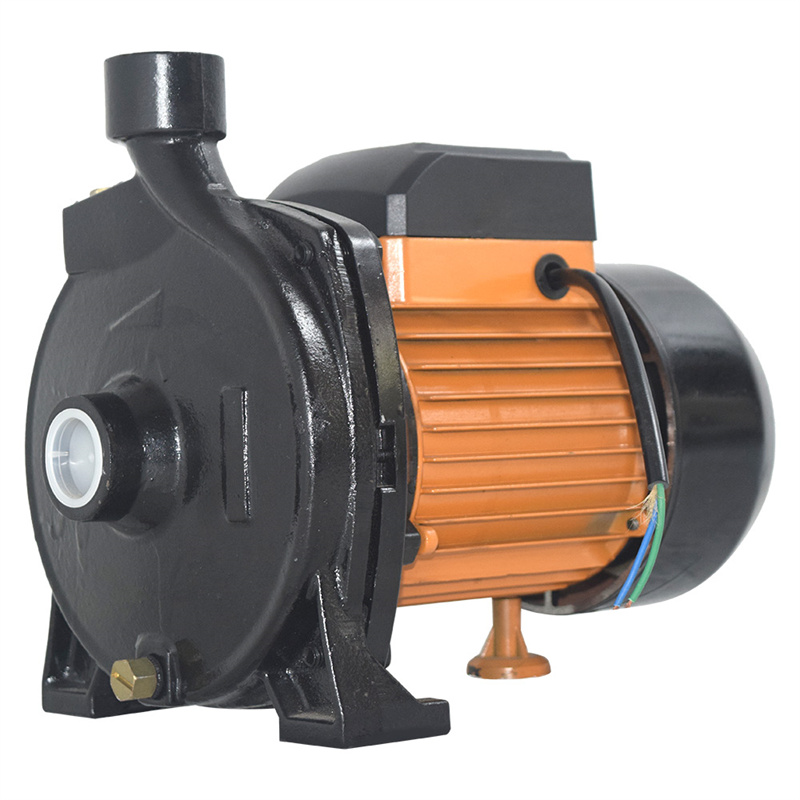
Water pumps are essential components in various industrial applications, serving to move liquids efficiently. For businesses engaged in OEM pump projects, understanding what water pump suppliers offer can significantly influence project success. This article will address vital considerations for selecting a supplier, evaluating product quality, recognizing key features of OEM water pumps, identifying installation challenges, and exploring material advantages. By providing this information, we aim to help purchasing managers, engineers, and other decision-makers make informed choices that align with their operational needs.
What to Consider When Choosing a Water Pump Supplier for OEM Projects
When selecting a water pump supplier for OEM projects, several critical factors should guide your decision. First, assess the supplier's manufacturing capabilities. Ensure they have the necessary equipment and technology to produce pumps that meet your specifications. A supplier like Larissa Motor, which has been producing high-quality electromechanical products since 1998, exemplifies the kind of experience that can be beneficial.
Second, consider the supplier's ability to customize products. Customization can be crucial for meeting specific operational requirements, such as size, performance characteristics, and regulatory compliance. The more flexible a supplier is in terms of design and production, the better they can meet unique project demands.
Lastly, evaluate the supplier's quality assurance processes. Understanding their quality control measures, including testing protocols and certifications, can help ensure that the pumps supplied will perform reliably under the intended conditions.
How to Evaluate Product Quality in Water Pumps for Bulk Orders
Evaluating product quality is essential, especially when ordering water pumps in bulk. Start by reviewing the technical specifications provided by the supplier. Key aspects to consider include:
Material Composition: The materials used in pump construction, such as corrosion-resistant alloys or high-grade plastics, directly impact durability and performance.
Performance Ratings: Review the pump's specifications for flow rates, pressure ratings, and energy efficiency. These metrics determine whether the pump will meet the operational demands of your application.
Testing Procedures: Confirm that the supplier conducts rigorous testing, such as performance tests and lifespan assessments, before bulk orders are fulfilled. A supplier's commitment to quality testing can prevent costly failures in the field.
Requesting samples before committing to bulk orders is also advisable. Testing a sample under actual operating conditions can reveal potential issues that may not be evident from specifications alone.
Key Features of OEM Water Pumps
OEM water pumps come with several key features that enhance their functionality and adaptability for various applications. One primary feature is customize. OEM suppliers can tailor pumps to meet specific requirements, such as size, material, and performance characteristics.
Another important feature is energy efficiency. Many modern industrial water pumps are designed to consume less energy while delivering optimal performance, which can lead to cost savings over time. Look for pumps that meet or exceed energy efficiency standards relevant to your industry.
Additionally, consider features like integrated control systems, which allow for better monitoring and management of pump operations. These systems can enhance performance, reduce downtime, and facilitate predictive maintenance, ultimately leading to improved operational efficiency.
Common Installation Challenges and Solutions for Water Pumps
Installing water pumps can present various challenges, which can impact overall efficiency and performance. Common issues include:
Alignment Problems: Pumps must be correctly aligned with the motor and piping to prevent vibration and wear. Utilizing laser alignment tools during installation can help ensure proper alignment.
Inadequate Space: Limited installation space can complicate pump placement and may require custom configurations. Working closely with your supplier to design a pump that fits your space constraints can mitigate this issue.
Vibration: Excessive vibration can lead to premature wear and failure. Implementing vibration dampening measures, such as installing vibration isolators or using heavier mounting bases, can help minimize this risk.
Addressing these challenges proactively can lead to smoother installations and longer pump lifespans.
Key Material Advantages to Look for in OEM Water Pump Designs
The choice of materials in OEM electric water pump designs plays a significant role in performance and durability. Here are some materials and their advantages:
Stainless Steel: Known for its corrosion resistance, stainless steel is ideal for applications involving aggressive fluids or harsh environments. It also offers good structural integrity, which is vital for high-pressure applications.
Engineering Plastics: High-performance plastics can provide lightweight solutions without sacrificing strength. These materials are often resistant to chemicals and have lower friction coefficients, which can enhance efficiency.
Cast Iron: This material is commonly used in heavy-duty pumps due to its strength and durability. While heavier, cast iron pumps can withstand higher pressures and are suitable for industrial applications.
When discussing requirements with your supplier, consider the specific environmental and operational conditions your pumps will face. This will help ensure that the selected materials align with your application needs, providing long-term reliability and performance.