EN
EN
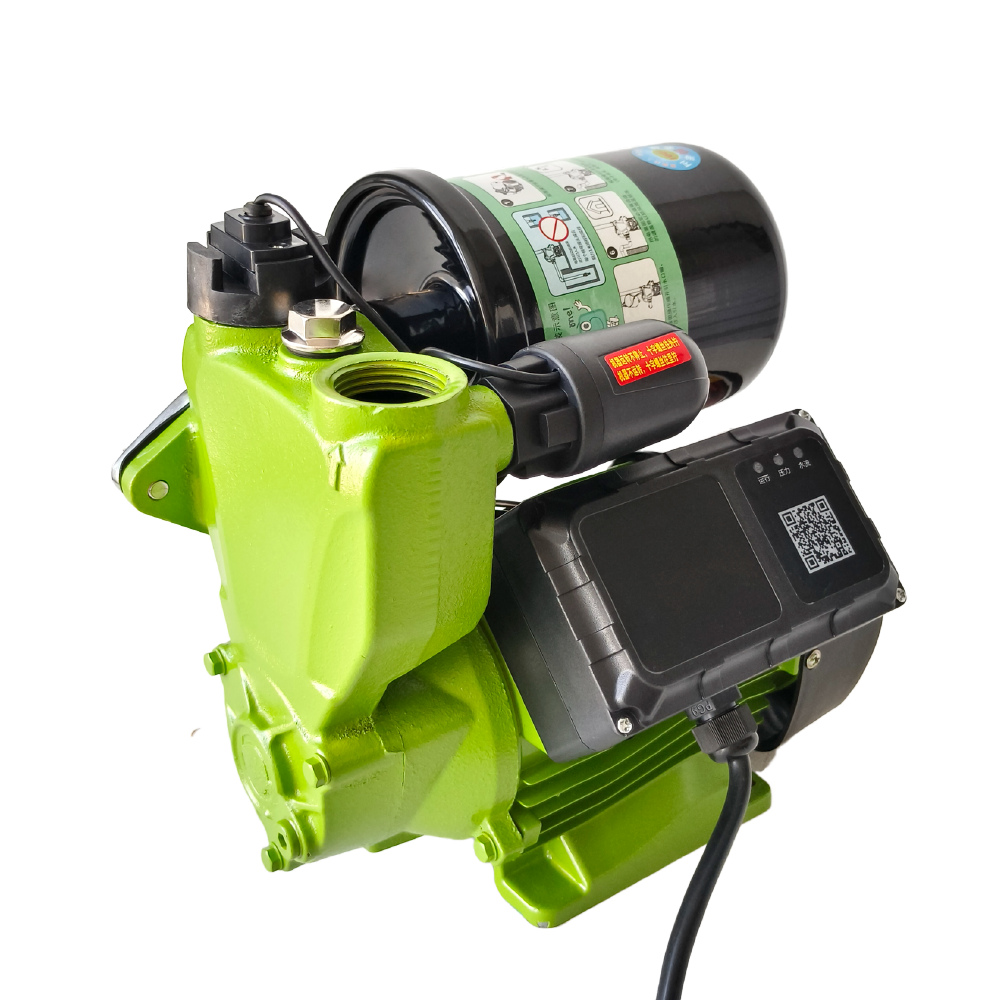
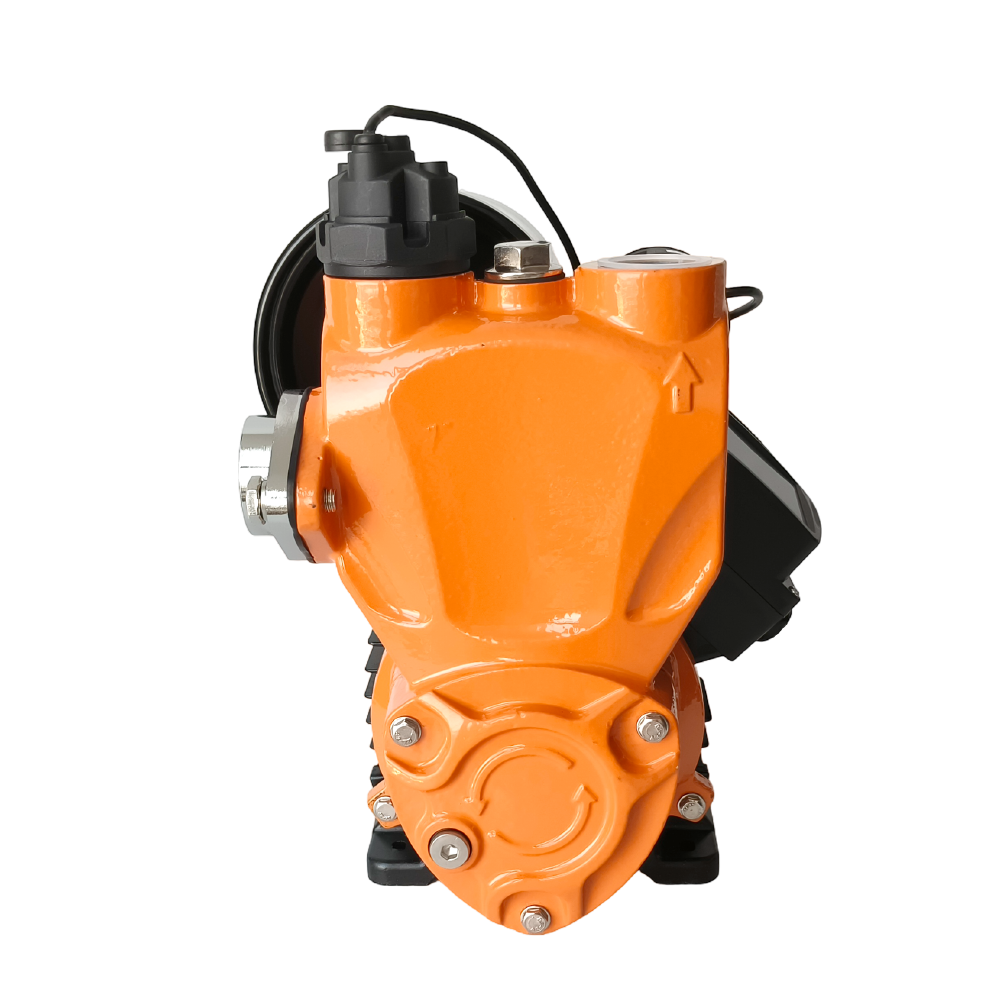
Boiler feed pumps are vital components in various industrial applications, primarily used to supply water to boilers for steam generation. For purchasing managers, distributors, and engineers, understanding the specifications and operational requirements of boiler feed pumps is crucial for ensuring optimal performance and reliability. This article aims to guide you through the essential aspects of boiler feed pumps, helping you make informed decisions when sourcing these critical pieces of equipment.
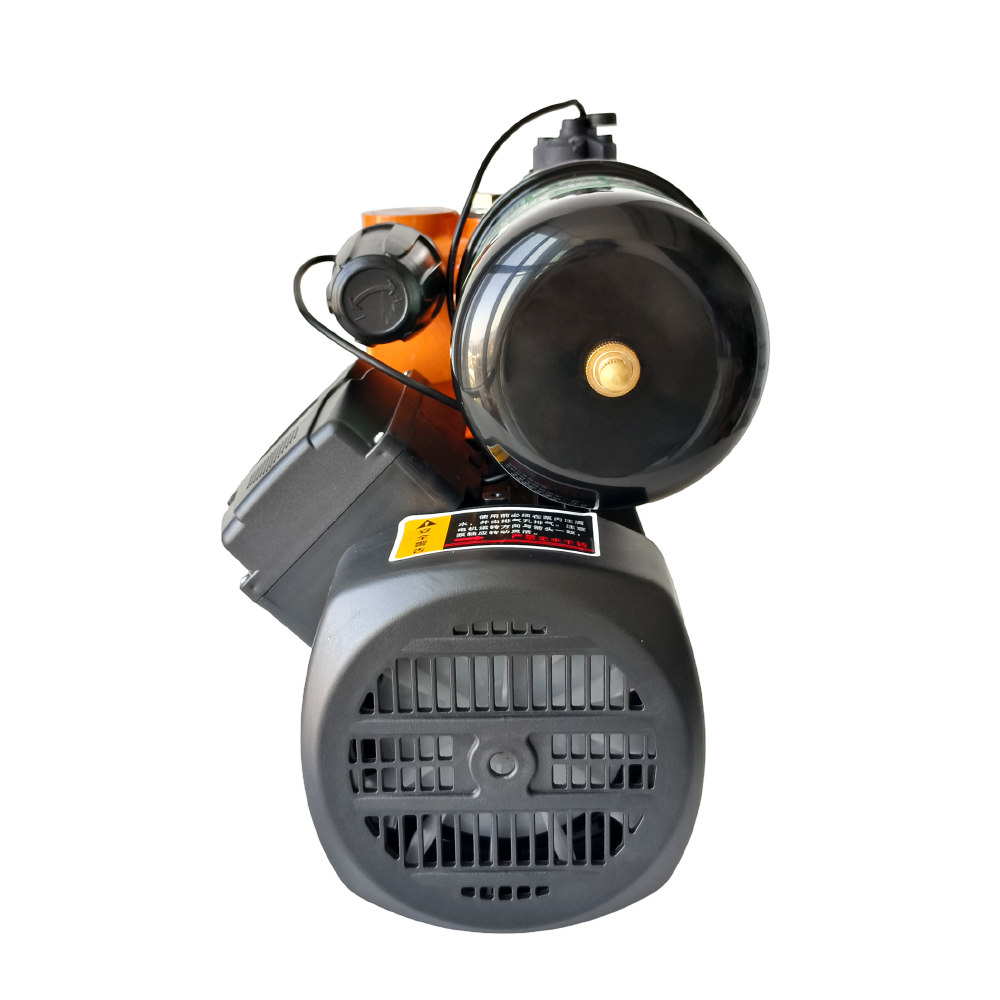
How to Choose the Right Boiler Feed Pump for Your Project Needs
Selecting the right boiler feed pump involves several considerations:
Application Requirements: Identify the specific application and operational conditions of your boiler system. Factors such as temperature, pressure, and water quality can significantly influence pump performance.
Customization Options: Look for manufacturers like Larissa Motor that offer customization capabilities. Customizing the pump to fit your unique application can enhance efficiency and performance.
Energy Efficiency: Evaluate the pump’s energy consumption. Energy-efficient pumps may have a higher upfront cost but can lead to substantial savings in operational expenses over time.
Maintenance Needs: Consider the maintenance requirements of the pump. Pumps that are easier to service can reduce downtime and maintenance costs. Review the manufacturer’s recommendations for routine checks and necessary parts.
Lead Time and Availability: Assess the supplier's ability to meet your delivery schedule. Reliable suppliers can provide essential information about lead times and stock availability, which is crucial for project planning.
By carefully considering these factors, buyers can select a boiler feed pump that meets their operational needs while ensuring long-term reliability and efficiency.