EN
EN
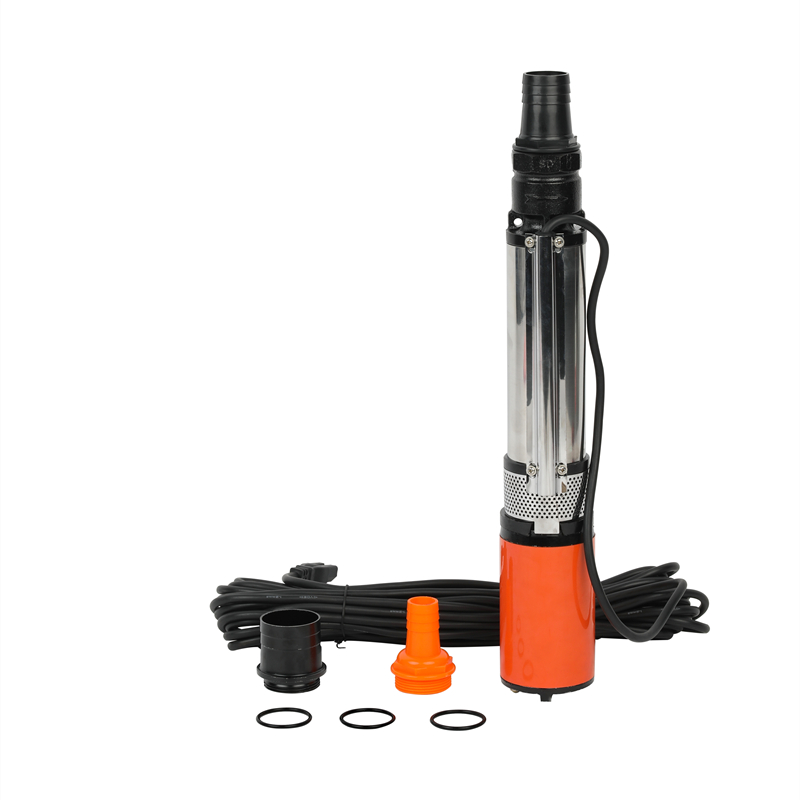
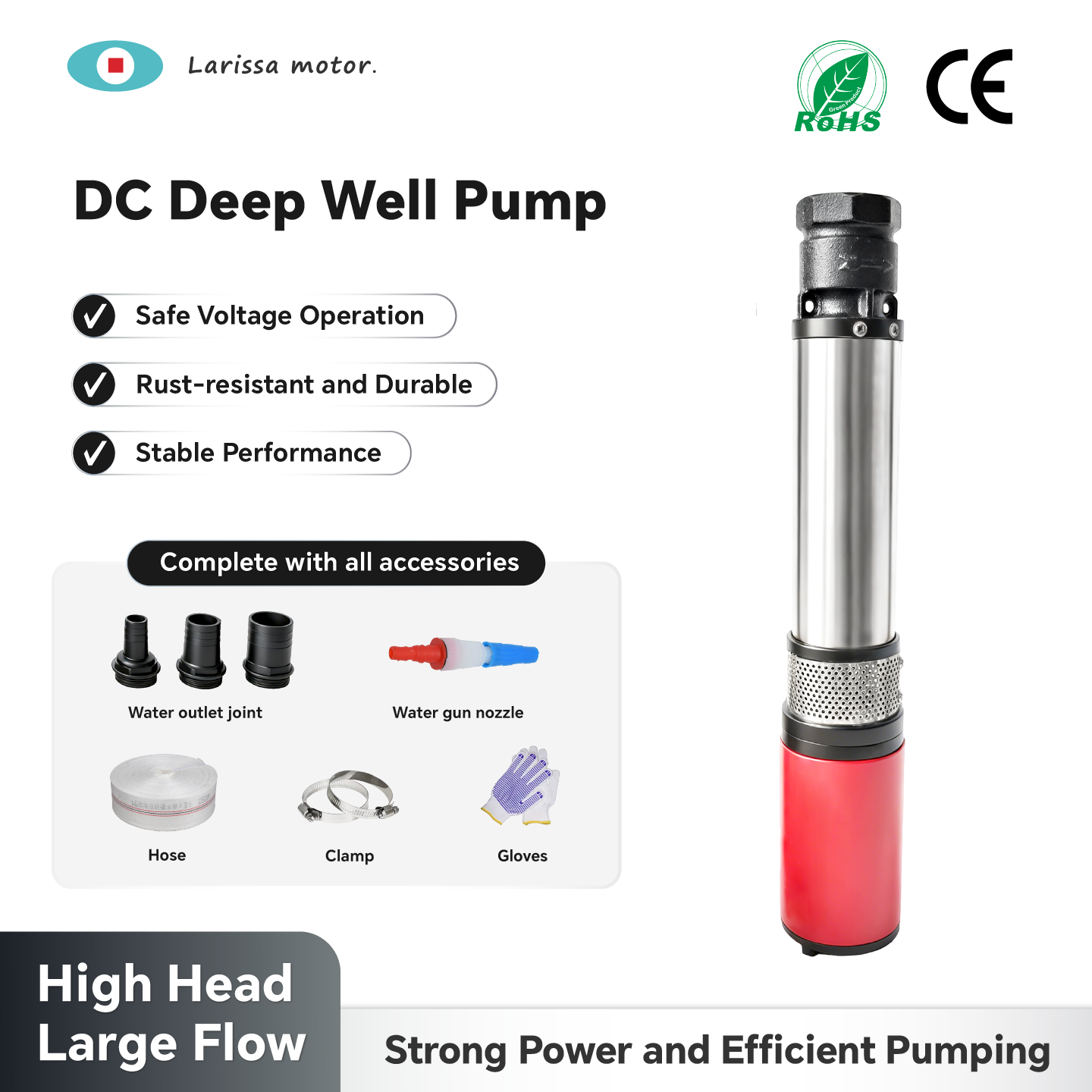
Deep well pumps are essential for extracting water from deep underground sources, and understanding the factors that influence deep well pump price is crucial for buyers in the B2B sector. This article aims to provide insights into selecting the appropriate deep well pump, evaluating quality standards, sourcing reliable suppliers, and considering a contractor's perspective. By addressing these topics, purchasing managers and engineers can make informed decisions that align with their project needs.
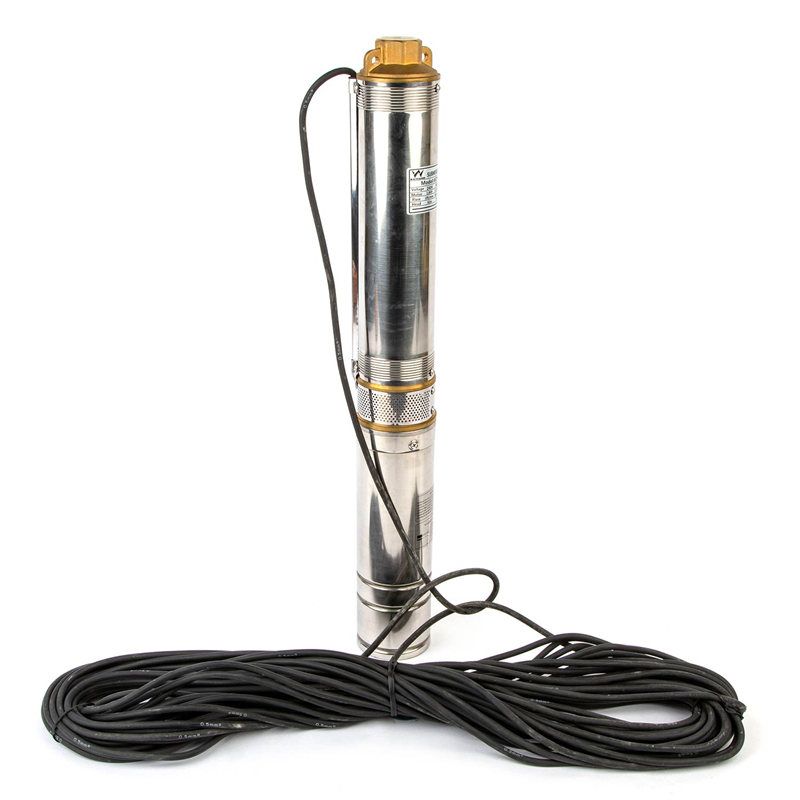
What Buyers Should Know
When evaluating deep well pumps, buyers should be aware of several critical points that can impact their purchasing decisions:
Quality Standards: Ensure that the pumps comply with international quality standards, such as ISO or ANSI. These certifications indicate that the product has undergone rigorous testing and meets performance expectations.
Pricing Factors: Understand that deep well pump prices can vary widely based on specifications, materials, and customization options. Factors such as pump size, horsepower, and additional features will influence overall costs.
Minimum Order Quantity (MOQ): Many manufacturers have a minimum order quantity, which can affect pricing and lead times. Ensure you are clear about these requirements when discussing potential purchases.
Lead Time and Delivery: Ask about the lead time for production and delivery, as this can vary based on order size and customization. Understanding this timeline is essential for project planning.
Quality Inspection: Buyers should establish quality inspection protocols to ensure that the pumps meet specified performance criteria before accepting delivery. This may include visual inspections, pressure tests, and performance evaluations.
By addressing these factors early in the purchasing process, buyers can mitigate risks and ensure that the pumps they acquire meet their operational needs.