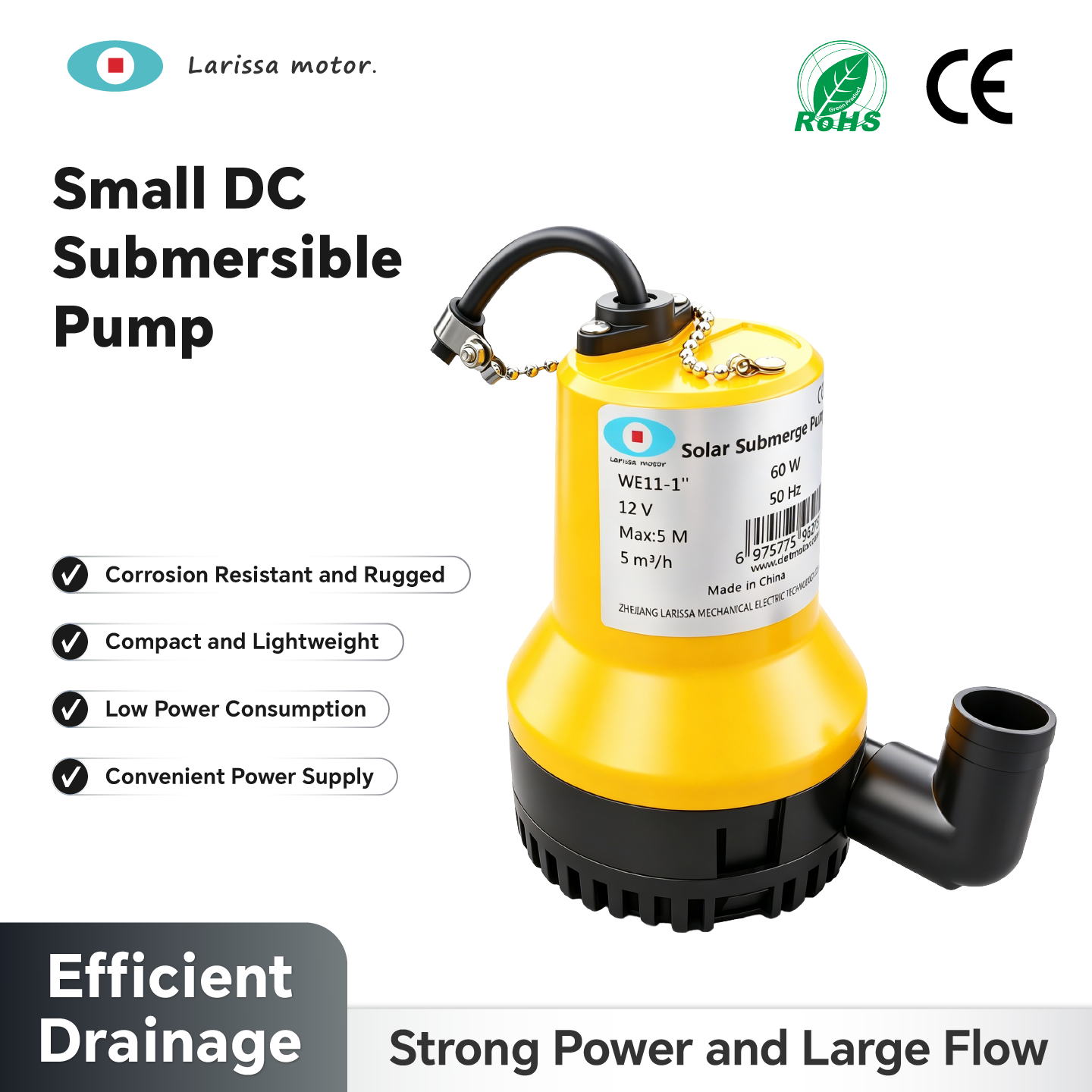
High-Quality Solar Water Feature Pumps for Businesses

Get a Professional Sourcing Quote

Our pump experts will review your request and reply within 12 hours.
Choose Your Needs Optional Business Type
Customization Requirements Optional
Email
Name
Company Name & Website
Message
0/1000

pump for solar water feature

When considering  a pump  for a solar  water feature, businesses must  evaluate  various specifications and applications to  ensure optimal  performance and reliability.  These pumps are  essential  for circulating water  in decorative installations powered  by solar energy, making them  both an eco-friendly  choice and a  practical investment. This article will guide B2B buyers through  key specifications, comparison  techniques for bulk orders, installation guidance, customization advantages, and various project  applications, all crucial for  informed purchasing  decisions.
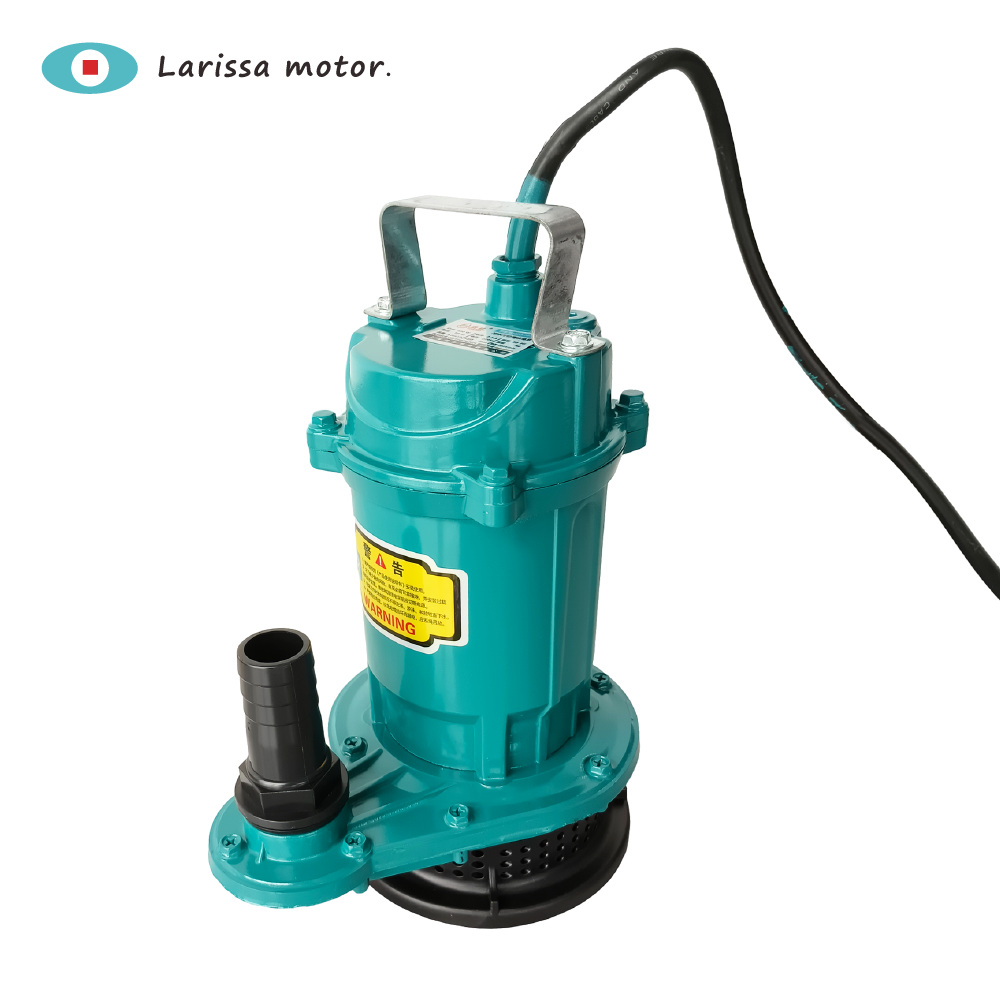
How to Compare Solar Water Feature Pumps for Bulk Orders

How to Compare Solar Water Feature Pumps for Bulk Orders

When  ordering solar water feature pumps in bulk, it’s essential to establish criteria for comparison  to ensure consistent quality and performance across all units. 

Performance Consistency: Evaluate the flow rates  and lift heights across  different models. Request performance data sheets from manufacturers to assess whether their products can meet your project's  requirements consistently.

Customization Options: Check if manufacturers offer customization for specific features like size, power output, or  design. Customization can be crucial for large projects requiring uniformity in performance across multiple  units.

Pricing Structure: Analyze the pricing models from various suppliers, including any bulk discounts. Understanding the cost per unit, including shipping and handling, will assist in budgeting  for large orders.

Lead Times: Inquire about the expected lead  times for production and delivery. Longer  lead times can affect project schedules, so it's vital  to ensure that the supplier can meet your timeline.

Warranty and Support: Look for manufacturers who provide  robust warranties and  after-sales support. This can be a deciding factor in choosing a supplier,  as reliable customer service can mitigate issues that arise post-purchase.

By systematically comparing these  factors, buyers can make informed  decisions that align with  their project requirements and budget.
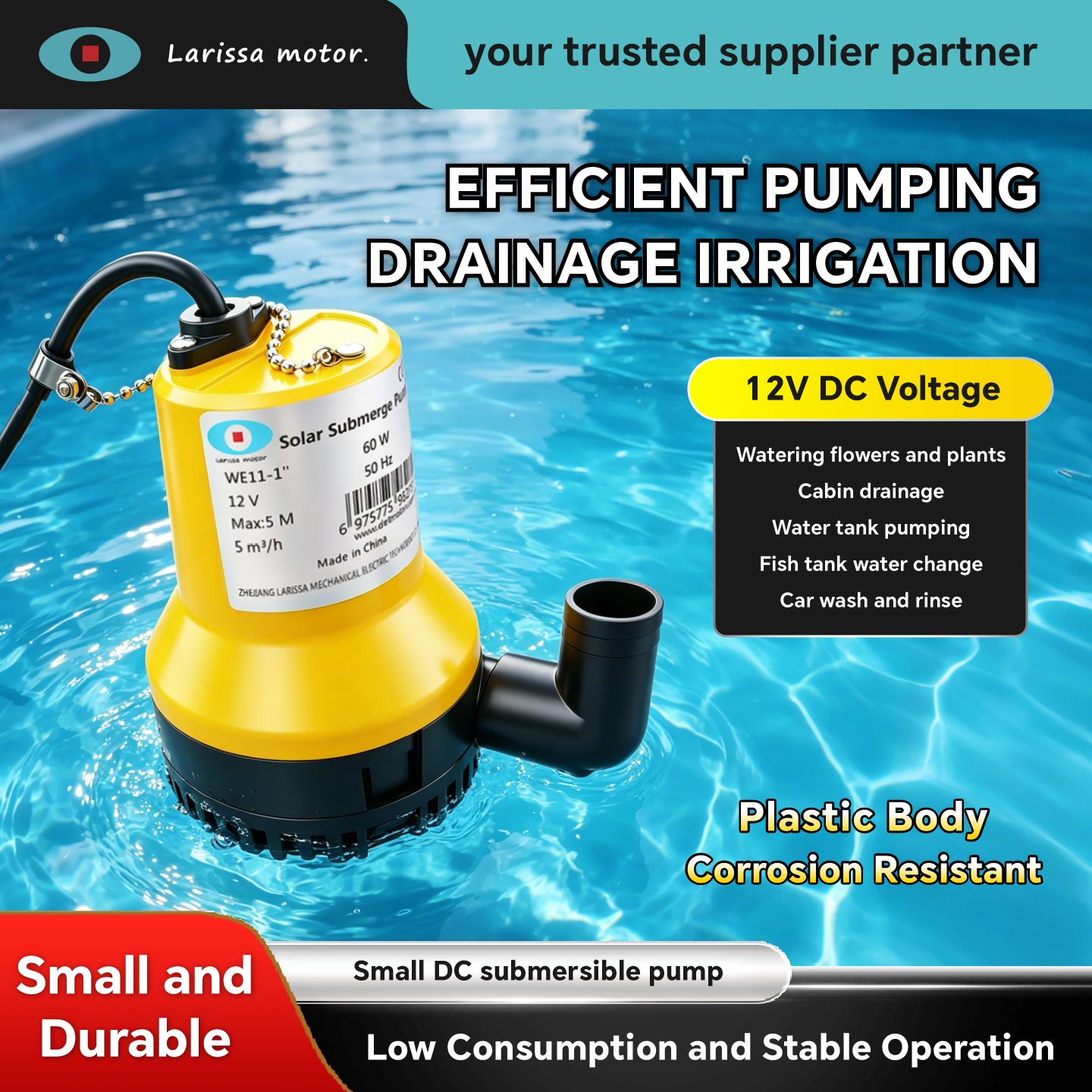
Installation Guidance for Solar Water Feature Pump Systems

Installation Guidance for Solar Water Feature Pump Systems

Installing a pump for a solar water feature requires careful planning to  ensure optimal functionality and longevity. Consider the following  steps and recommendations:

Site Assessment: Evaluate the installation site for adequate sunlight exposure throughout  the day. A site  with sufficient sun will enhance the solar panel's efficiency, thereby improving  pump performance.

Positioning the  Pump: Place the pump at a level that allows for  easy access  for maintenance and cleaning. It should be submerged adequately in  the water feature to avoid air exposure,  which can damage the pump.

Solar Panel Placement: Position the solar panel in a location free of obstructions to maximize sunlight absorption. Ensure that it is securely mounted  and angled  correctly to capture the sun's  rays.

Electrical Connections: Follow all safety guidelines  when connecting the solar panel to the pump. Ensure that the connections are waterproof to  prevent damage from splashing water. 

Testing the System: After installation, test the entire system to confirm that the pump operates correctly and that  water circulates effectively. Monitor performance during the first few days to ensure  no  issues arise.

Proper installation is crucial to achieving the  desired aesthetic and functional results from a solar water feature.

Advantages of Customization in Solar Water Feature Pump Design

Advantages of Customization in Solar Water Feature Pump Design

Customization can  significantly enhance the performance and  suitability  of solar water feature  pumps for specific applications. Here are some  key advantages:

Tailored Performance: Custom pumps can be designed to meet specific flow rates, pressures, and energy requirements, ensuring optimal performance for  unique installations. This is particularly beneficial for large or intricate water  features.

Design Flexibility: Customization allows for adjustments in size and  shape, which can be important for fitting within specific architectural designs or landscape features.

Material  Selection: Buyers can choose materials that best suit their  environmental conditions, whether that means enhanced corrosion resistance for coastal areas or durable plastics for freshwater applications.

Enhanced Aesthetics: Custom designs  can incorporate decorative elements or colors that  align with the overall theme of  the project,  improving visual appeal without  compromising functionality.

Scalable Solutions: For  larger projects, customized  pumps can be designed to  work in conjunction with one another, allowing for scalable solutions that can grow with the project.

Leveraging these customization options can lead to a more  effective and visually appealing solar water feature that meets specific project goals.

Applications of Solar Water Feature Pumps in Various Projects

Solar  water feature pumps find applications across multiple sectors, showcasing  their versatility and effectiveness. Key applications include:

Residential Landscaping: Homeowners often use solar water features to  enhance gardens  and outdoor spaces. These installations can serve as  focal points, providing tranquility and aesthetic appeal while being environmentally friendly.

Commercial  Spaces: Businesses may incorporate solar water features into their landscaping to attract  customers and enhance  brand image. These features can also serve as educational tools to promote sustainability.

Public Parks and Recreation Areas: Many municipalities use solar water features in  parks to create engaging spaces for visitors. These installations can reduce energy costs while contributing to the park's overall beauty.

Resorts and Hotels: High-end resorts often feature  solar water installations to  create serene environments. These installations can be  designed to be elaborate, contributing to the luxury experience.

Educational Institutions: Schools and universities may implement  solar water features  as part of their sustainability initiatives, using them as teaching tools  for students about renewable energy and environmental stewardship.

Understanding the various applications will help businesses identify how solar water feature pumps can enhance their  projects, making  them more appealing to their target audience while contributing to sustainability efforts.

By considering these factors, B2B buyers can make informed decisions when selecting pumps for solar water features, ensuring that their investments yield the best results both functionally and aesthetically.

Key Specifications for High-Quality Solar Water Feature Pumps

When selecting a  pump  for a solar water feature, key specifications to consider include flow rate, lift height, power consumption,  and material quality. 

Flow  Rate: This  is measured in gallons per hour (GPH) and indicates how much water the pump can circulate. A higher  flow rate is essential for larger water features, ensuring that water is adequately moved to maintain aesthetics and function.

Lift Height: This specification is critical as it defines how high  the pump can  push water. It is important to match the lift height with the installation requirements. If the lift height is insufficient, water may not reach the desired height, impacting the feature's visual appeal.

Power Consumption: Since these pumps  are powered by solar energy, understanding wattage is essential. Selecting a pump with a low power requirement can enhance  efficiency, allowing for optimal performance even  in less sunny conditions.

Material Quality: The pump's construction material affects its durability  and resistance to environmental factors. Pumps made from corrosion-resistant materials like stainless  steel or high-quality plastics are preferable for longevity  and reliability. For example, the WBZ(D)S Stainless Steel Self Priming Pump is an excellent choice due to its robust construction.

Certifications: Ensure  that the pumps meet international standards for  safety and efficiency, which can  be verified through relevant certifications.

Understanding these specifications will help buyers choose a pump that fits their specific needs and ensures reliable  operation in diverse environments.

Get a Professional Sourcing Quote

Our pump experts will review your request and reply within 12 hours.
Choose Your Needs Optional Business Type
Customization Requirements Optional
Email
Name
Company Name & Website
Message
0/1000

Related product categories