EN
EN

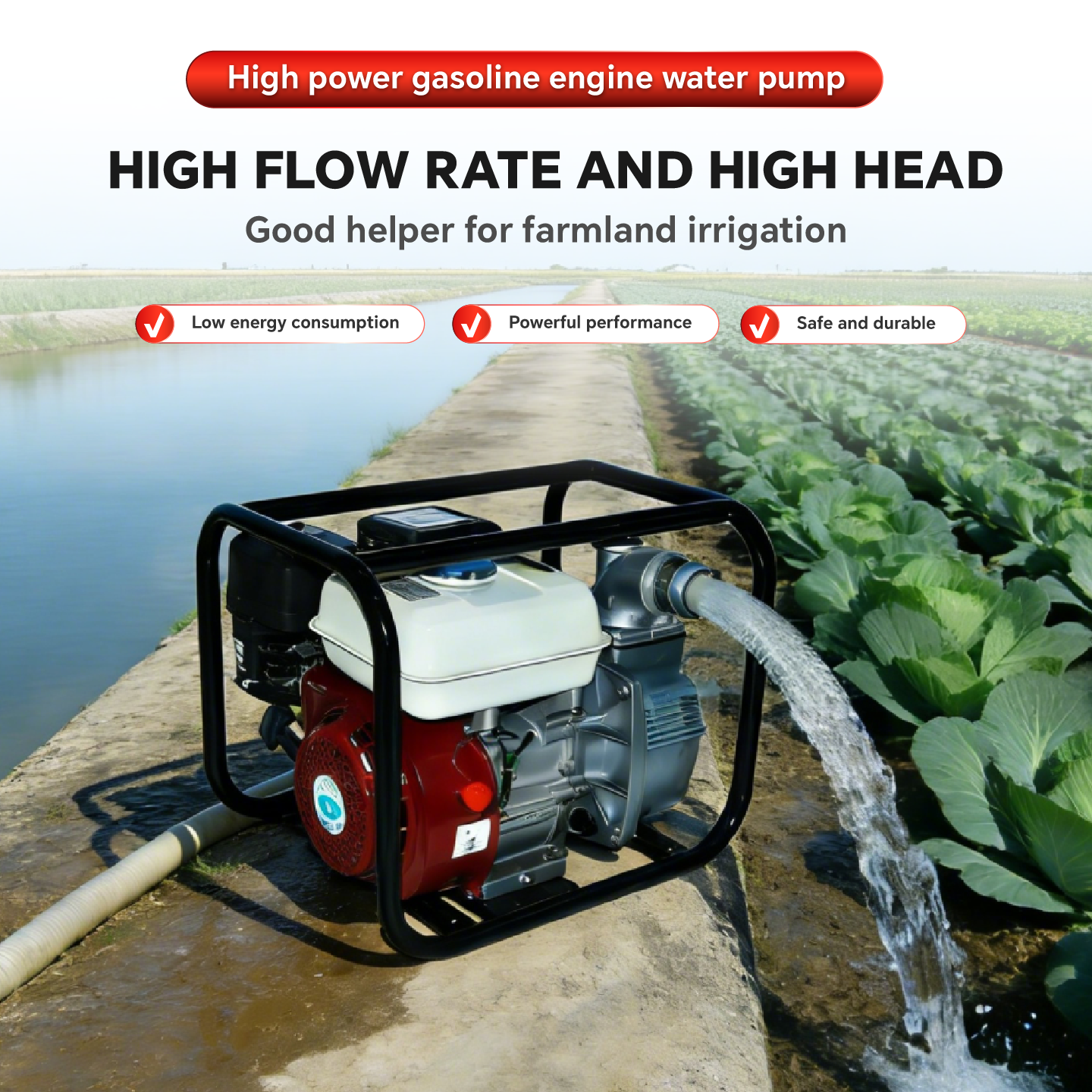
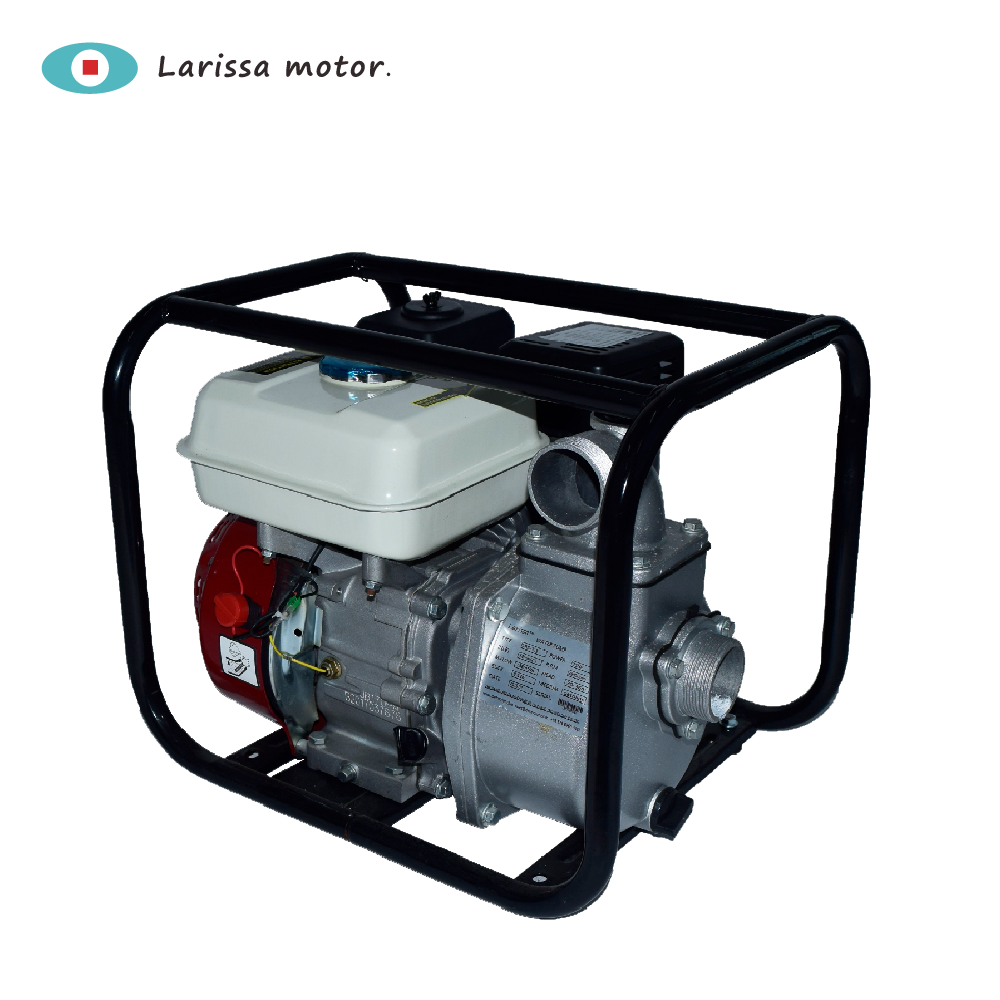
Gasoline pumps are essential electromechanical devices used to transfer fuel from storage tanks to vehicles or machinery. For businesses involved in wholesale distribution or retail of gasoline, selecting the right gasoline pump is crucial for operational efficiency and customer satisfaction. Buyers often face challenges such as ensuring compatibility with existing systems, meeting safety standards, and evaluating performance specifications. This article provides practical insights and guidance for selecting, installing, and sourcing gasoline pumps that align with your specific needs.
Installation Guidance for Reliable Gasoline Pump Performance
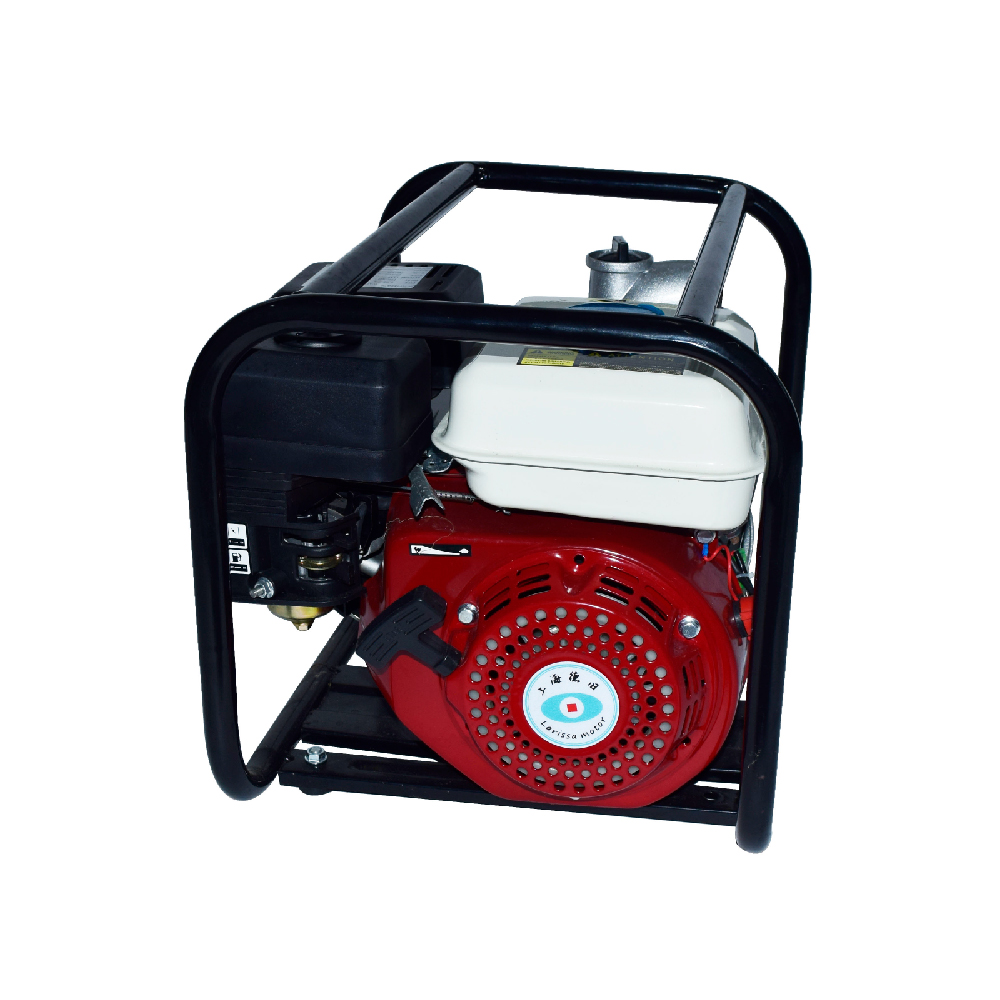
Proper installation is critical to the long-term performance and reliability of gasoline pumps. Here are essential considerations for successful installation:
Site Assessment: Before installation, conduct a thorough assessment of the site. Consider factors such as accessibility for maintenance, proximity to fuel storage tanks, and compliance with local regulations.
Electrical Requirements: Ensure that the electrical supply meets the pump’s specifications. Voltage and amperage must match the pump's requirements to avoid operational issues. It's advisable to consult with an electrician to confirm that the electrical supply is safe and adequate.
Leveling and Mounting: Proper leveling of the pump is crucial for optimal performance. An uneven installation can lead to operational issues, including inaccurate fuel measurements and increased wear on moving parts. Follow the manufacturer's guidelines for mounting and securing the pump.
Testing and Calibration: After installation, perform thorough testing to ensure the pump operates correctly. This includes checking for leaks, verifying flow rates, and calibrating the pump to ensure accurate dispensing. Regular maintenance and inspections should be scheduled to maintain performance.