EN
EN

Irrigation and pumps are crucial components in agricultural and commercial applications, ensuring efficient water distribution for crops and landscapes. As a purchasing manager or product distributor, understanding the quality, installation, and performance of these systems is essential. This article will provide valuable insights into evaluating irrigation and pump products, installation best practices, comparisons of various pump types, material advantages, and wholesale purchasing tips to help you make informed decisions.
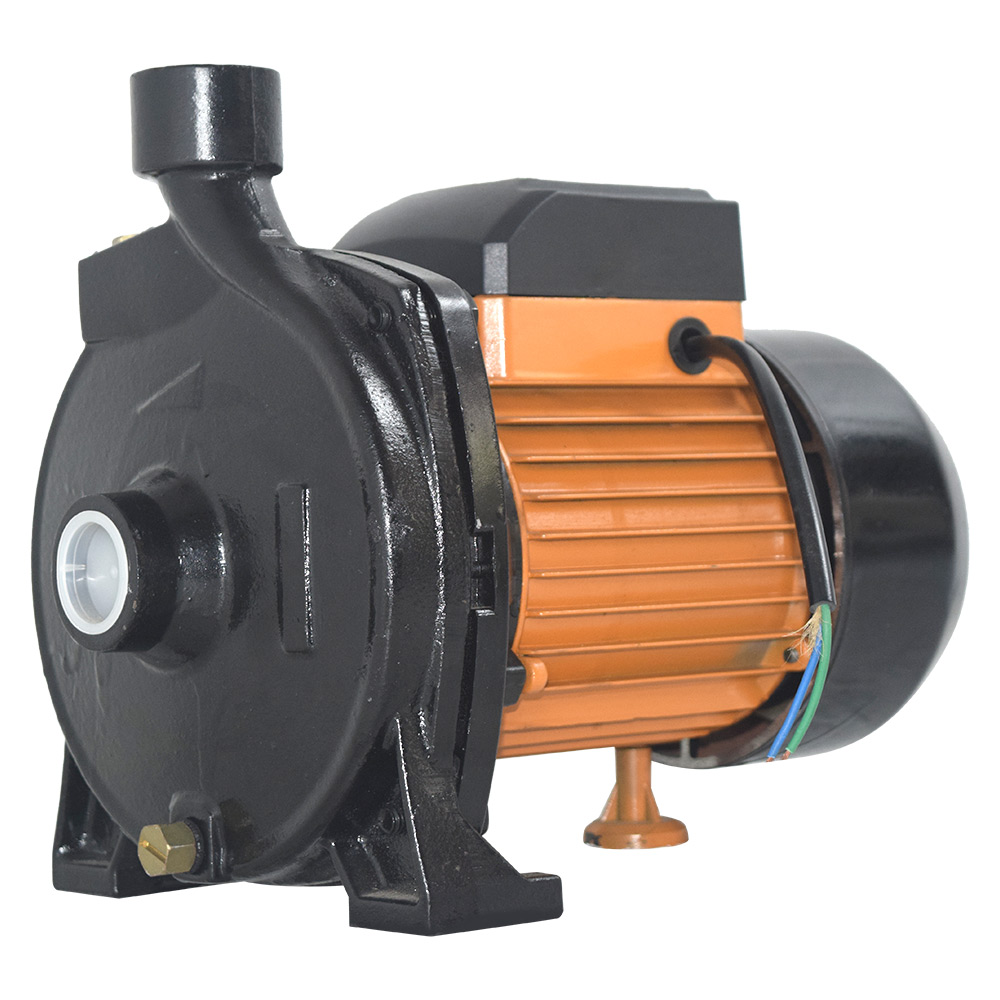
Installation Guidance for Efficient Irrigation Pump Systems
Proper installation of irrigation pump systems is vital for achieving optimal performance. Start by ensuring that the pump is suited for the specific application, considering factors like flow rate, pressure requirements, and the total dynamic head of the system. An incorrectly sized pump can lead to inefficiencies, increased energy costs, and premature wear.
During installation, attention should be paid to the alignment of the pump and motor. Misalignment can cause vibration and excessive wear, leading to premature failures. It’s advisable to use a flexible coupling to accommodate minor misalignments.
Additionally, consider the piping layout carefully. Minimize bends and fittings to reduce friction losses, which can impact the overall efficiency of the system. Employing a qualified technician for installation can be beneficial, as they will ensure compliance with local regulations and standards, further enhancing the system's reliability.