How to Choose the Right Recirculating Pump

Get a Professional Sourcing Quote

Our pump experts will review your request and reply within 12 hours.
Choose Your Needs Optional Business Type
Customization Requirements Optional
Email
Name
Company Name & Website
Message
0/1000

recirculating pump

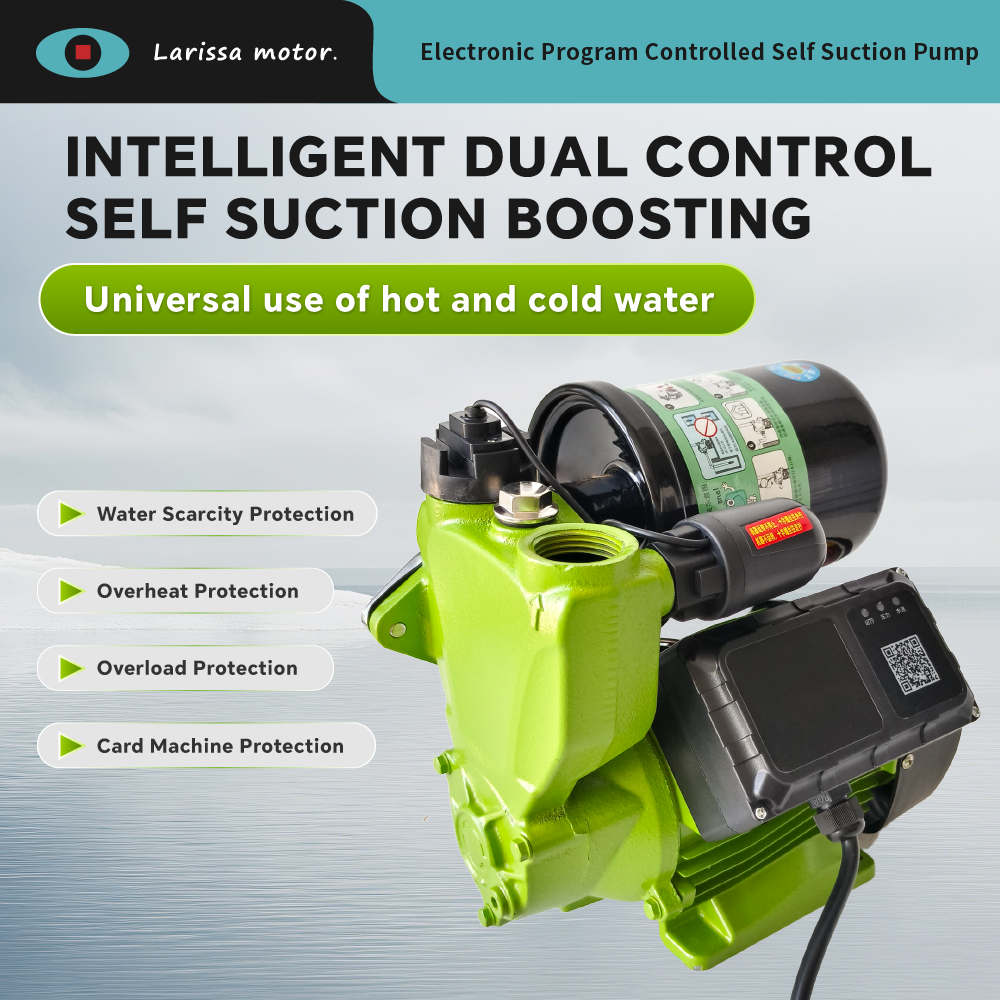
Recirculating pumps are  essential components in  various industrial applications, designed  to continually  circulate fluid within a  system.  Selecting the right recirculating pump  is  critical for efficiency, reliability,  and cost-effectiveness.  B2B buyers often face  concerns regarding performance specifications, compatibility with existing systems, and supplier reliability.  This article will  guide  purchasing managers and engineers through the key factors  to consider  when selecting  a recirculating pump, ensuring they make  informed decisions that  align  with their project needs.
Key Specifications of Recirculating Pumps for Wholesale Buyers

Key Specifications of Recirculating Pumps for Wholesale Buyers

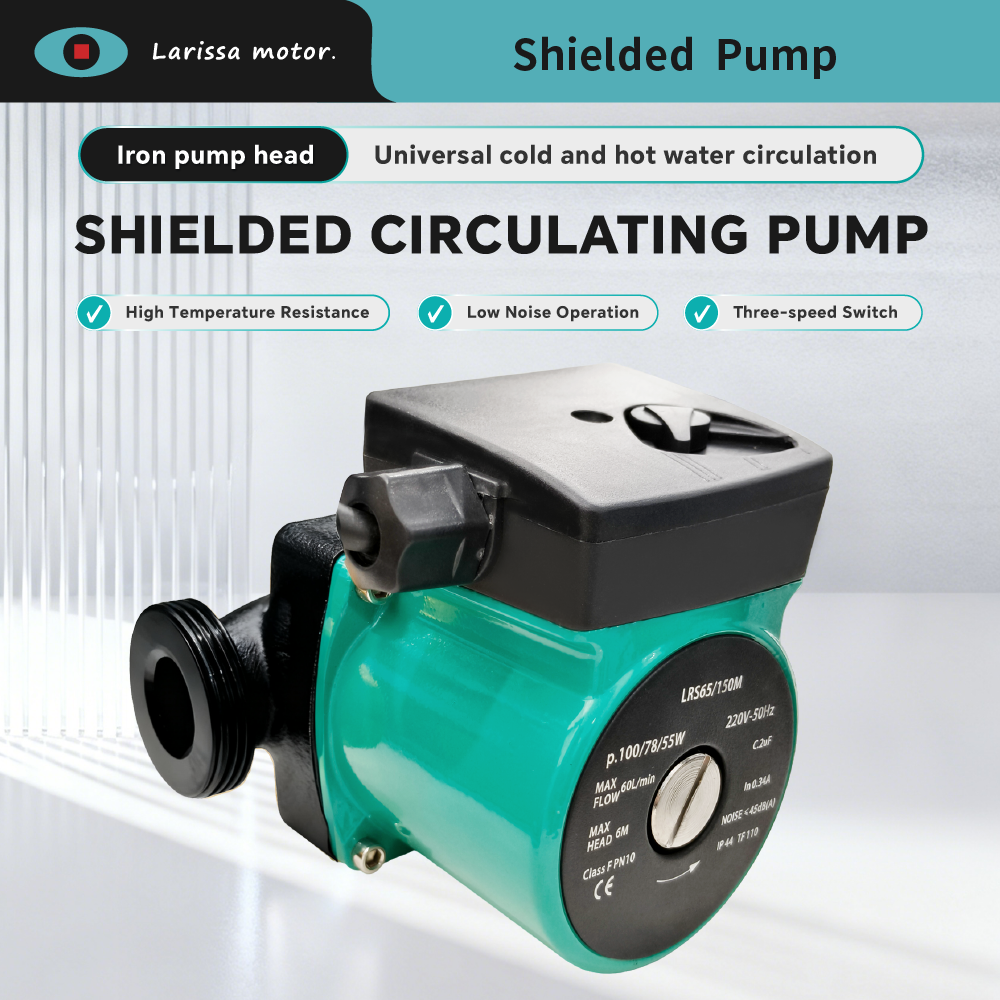
When procuring recirculating pumps, wholesale buyers  should pay  close attention to several key specifications:

Materials: Common materials include stainless steel, cast iron, and various plastics. The choice of material affects durability, chemical resistance, and overall  performance.  For example, stainless steel is often preferred  for its corrosion resistance in various  environments.

Motor Type:  Pumps may be equipped with different motor types, such  as AC or DC  motors. The  choice will depend on your power supply and operational requirements.  Additionally, consider energy efficiency ratings, which can significantly impact  long-term operational costs.

Sealing Mechanism: A reliable sealing mechanism  is crucial  to prevent leaks  and maintain  operational efficiency. Mechanical seals are common in  many applications, but  the specific design may depend on the fluid type and pressure requirements.

Operational Parameters: Buyers should verify the maximum operational temperature and pressure  ratings to ensure compatibility with  their system. Exceeding these limits can lead to pump failure or reduced lifespan.
Where to Source Reliable Recirculating Pump Suppliers for Bulk Orders

Where to Source Reliable Recirculating Pump Suppliers for Bulk Orders

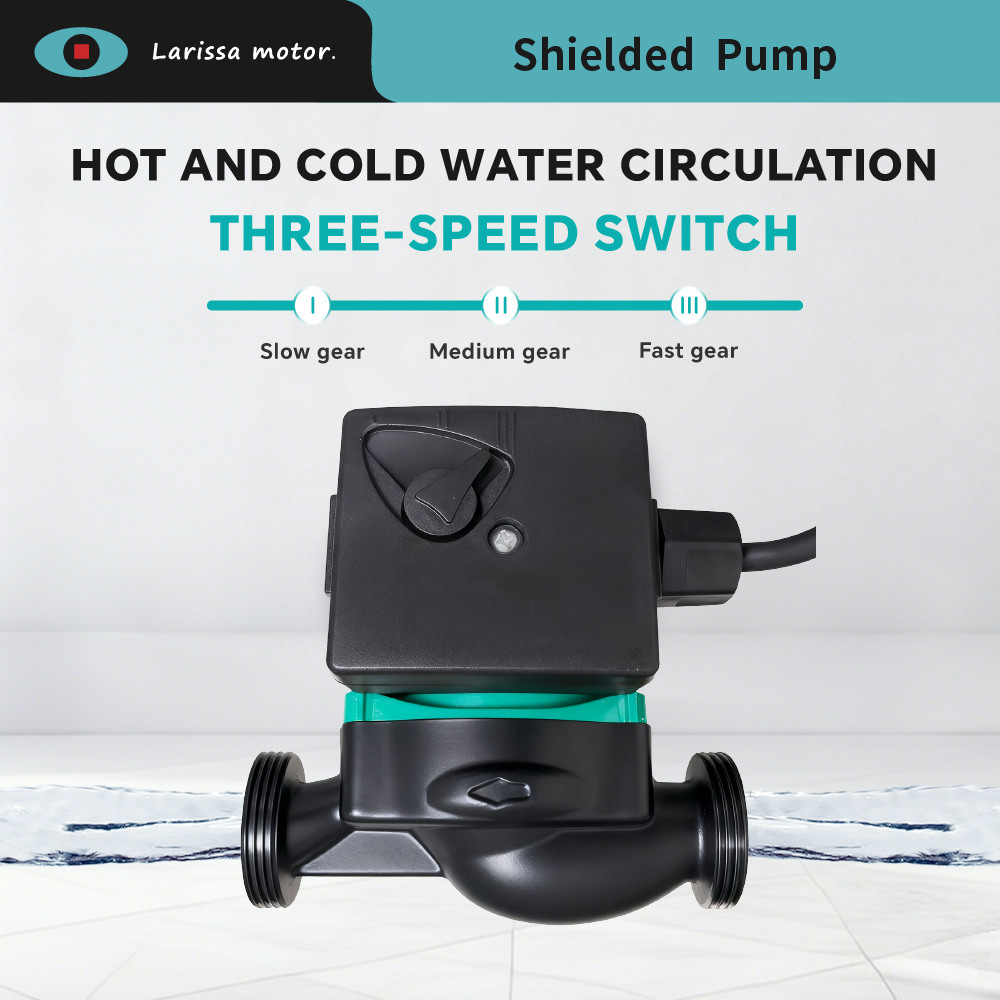
Finding reliable suppliers for recirculating pumps is essential to ensure quality and consistency. Here are some strategies to consider:

Industry Networks: Engage with  industry associations  and  networks  to  gather recommendations for reputable suppliers. Networking at trade  shows can also provide valuable insights and direct connections.

Supplier  Research: Conduct thorough research on potential suppliers,  focusing on  their manufacturing capabilities, quality control processes, and experience in your specific industry. Look for suppliers who can provide case studies or  testimonials from previous clients.

Certifications: Verify that  potential  suppliers have the necessary certifications, such as ISO 9001 for quality  management systems. This demonstrates a commitment to maintaining high-quality manufacturing standards.

Customization Capabilities: Ensure  that suppliers can accommodate your specific  customization  requirements. This capability can significantly enhance the performance  and integration of the pump  within  your  system.

What to Look For

What to Look For

When evaluating recirculating pumps, consider  the following factors:

Performance Data:  Request detailed performance  curves  that illustrate how the pump behaves under various conditions. This data can help determine if a pump will meet the specific  demands  of  your application.

Warranty and  Support: Understand the warranty terms and the level  of technical support offered by the manufacturer. A strong support system can be invaluable in addressing any  issues that arise post-purchase.

Lead Times: Discuss lead  times for production and delivery. Suppliers who can provide  quick turnaround times may be  better suited for projects with  tight deadlines.

Quality Control: Inquire  about the quality  control measures in  place during  manufacturing. This includes inspections, testing  procedures, and  compliance with international standards.

Common Installation Challenges with Recirculating Pumps and Solutions

Installation of recirculating pumps can present several  challenges, but being proactive can mitigate these issues:

Alignment  Issues:  Misalignment between the pump and motor can  lead to excessive wear and premature failure. Ensure proper alignment using alignment tools during installation.

Vibration: Excessive vibration can indicate problems with installation or operational issues. Use  vibration dampeners and ensure the  pump is securely mounted to minimize vibration.

Piping Configuration: Incorrect piping layouts  can cause cavitation, reducing pump  efficiency. Ensure that the piping system is designed to minimize bends and restrictions, allowing for smooth fluid flow.

Initial Testing: Conduct thorough testing after installation to ensure the pump operates as expected. Monitor  flow rates  and temperatures to  confirm that the  pump is functioning within its  specified  parameters.

By anticipating these  challenges and implementing solutions, buyers can enhance the reliability and longevity of  their recirculating pump systems.

In summary, understanding the complexities  of recirculating pumps is essential for B2B buyers looking to make informed purchasing decisions. By  considering application requirements, key specifications,  and potential installation challenges, purchasing  managers and engineers can select pumps that enhance system efficiency and performance.

How to Choose the Right Recirculating Pump for Your Project Needs

Choosing the right recirculating pump involves  understanding your specific application requirements. Key considerations include flow rate,  head pressure, and the  nature of the fluid being circulated. For instance, in applications such as Industrial & Mining, the characteristics of the fluid may vary significantly.

Flow Rate: This is the volume of fluid the pump can circulate within  a given time frame, typically measured in gallons  per minute (GPM) or liters per minute (LPM). It's essential to  match the flow rate to your system's requirements to ensure optimal  performance. Undersized  pumps may lead  to inadequate circulation,  while oversized pumps can cause unnecessary energy consumption and  increased wear.

Head Pressure: This  refers to the height to which the pump can raise the fluid. It's crucial to calculate the total dynamic head (TDH), which factors in elevation changes, friction losses through pipes, and fittings. Selecting a pump that meets  or exceeds the TDH ensures efficient operation.

Fluid Properties:  The chemical composition, viscosity, temperature, and potential for solids in the fluid significantly influence pump selection. For  example, corrosive  fluids may require materials that resist chemical damage,  while high-viscosity fluids might necessitate a pump designed for thick liquids. In agricultural contexts, Agricultural Water Pumps can be particularly relevant.

Customization: Depending  on  the application, you might need a pump that can be customized for specific dimensions, materials, or performance characteristics. Collaborating with manufacturers like Larissa  Motor can lead to tailored solutions that meet unique needs.

Get a Professional Sourcing Quote

Our pump experts will review your request and reply within 12 hours.
Choose Your Needs Optional Business Type
Customization Requirements Optional
Email
Name
Company Name & Website
Message
0/1000

Related product categories