Choosing the Right Solar Powered Fountain Pump

Get a Professional Sourcing Quote

Our pump experts will review your request and reply within 12 hours.
Choose Your Needs Optional Business Type
Customization Requirements Optional
Email
Name
Company Name & Website
Message
0/1000

solar powered fountain pump

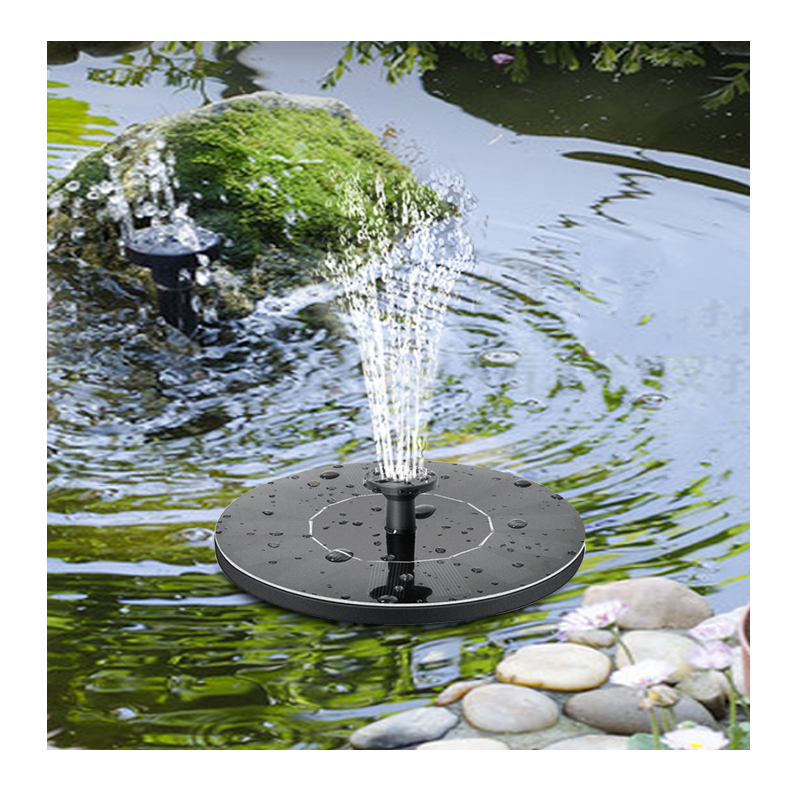
Solar powered fountain pumps  are  innovative devices that utilize solar  energy to operate water features  in gardens, parks, and commercial spaces. As a  purchasing  manager or contractor, your key concerns may include efficiency,  durability,  and ease  of installation. This article will  guide  you through the  critical factors to consider when selecting a solar powered  fountain pump, ensuring  you  make an  informed  decision  for your  projects.
 
Key Specifications of Solar Powered Fountain Pumps for Wholesale Buyers

Key Specifications of Solar Powered Fountain Pumps for Wholesale Buyers

Wholesale buyers should pay close attention to  specific technical specifications that impact performance and suitability. Key specifications include:

Maximum  Flow  Rate: Measured in  liters  per minute (L/min), this indicates how much water the pump can move.  Ensure it  fits  the fountain's design. Maximum Head Height: This defines  how high the pump can push water, important for creating desired fountain effects. Solar  Panel Wattage: Typically ranging from 5W to  30W, higher wattage panels can power larger  pumps or multiple features. Battery Capacity: Measured in amp-hours  (Ah), it indicates how long the pump can run without sunlight,  crucial for consistent operation. Material Composition: Pumps made from UV-resistant materials are preferable  for outdoor settings  to prevent degradation. 

Confirming these specifications ensures that  you are investing in a pump that  meets your operational needs  and provides durability and reliability.
How to Evaluate the Quality of Solar Powered Fountain Pumps Effectively

How to Evaluate the Quality of Solar Powered Fountain Pumps Effectively

Evaluating the quality of  solar powered  fountain pumps involves several practical steps. Begin  by  checking for certifications that indicate compliance with international manufacturing standards, such as ISO certifications. These can  provide  assurance of the pump's quality and  performance.

Next, request samples before placing larger orders. Testing a sample  pump under actual operating conditions will  help  you assess its performance,  durability, and ease of installation.  During  this evaluation, pay attention to  noise levels, as  quieter pumps are  generally preferred for tranquil garden settings.

It's  also wise to consult customer  reviews and case studies from other buyers or contractors. Feedback from previous users can highlight potential issues or strengths that may not be evident during initial assessments.  For instance, the Solar Powered Deep Well Submersible Pump for Off-Grid Water Supply & Irrigation has received positive feedback for its reliability.

Finally, inquire about the  manufacturer's warranty  and support options. A robust warranty can indicate the manufacturer's confidence in their product's quality and performance.

Common Installation Challenges with Solar Powered Fountain Pumps and Solutions

Common Installation Challenges with Solar Powered Fountain Pumps and Solutions

Installing solar powered fountain pumps can come with challenges that, if not  addressed, can lead to operational issues. One common problem is inadequate sunlight exposure. Ensure  that the solar panel is positioned to receive  maximum sunlight throughout the day. If the fountain  is shaded, consider using  adjustable mounting  brackets to reposition the  panel.

Another challenge is water  level fluctuations. Pumps may  draw air  when the water level  is too low, leading to damage. Installing a float valve can help maintain a consistent water level, protecting  the pump  from running dry.

Wiring can also present issues, particularly in ensuring that  connections are waterproof and secure. Use  weather-resistant connectors and  ensure all wiring is protected from moisture to avoid short-circuiting.

Finally, if  the pump has a complicated installation process, consider consulting the manufacturer or hiring a professional  installer familiar with solar powered  systems to  ensure proper setup.

Comparing Different Models of Solar Powered Fountain Pumps for Contractors

Contractors often face the task of comparing various models of solar powered fountain pumps to find  the best fit for specific projects. Begin by creating a  comparison chart that outlines the specifications of each model, including flow  rates, head heights, and solar panel sizes.

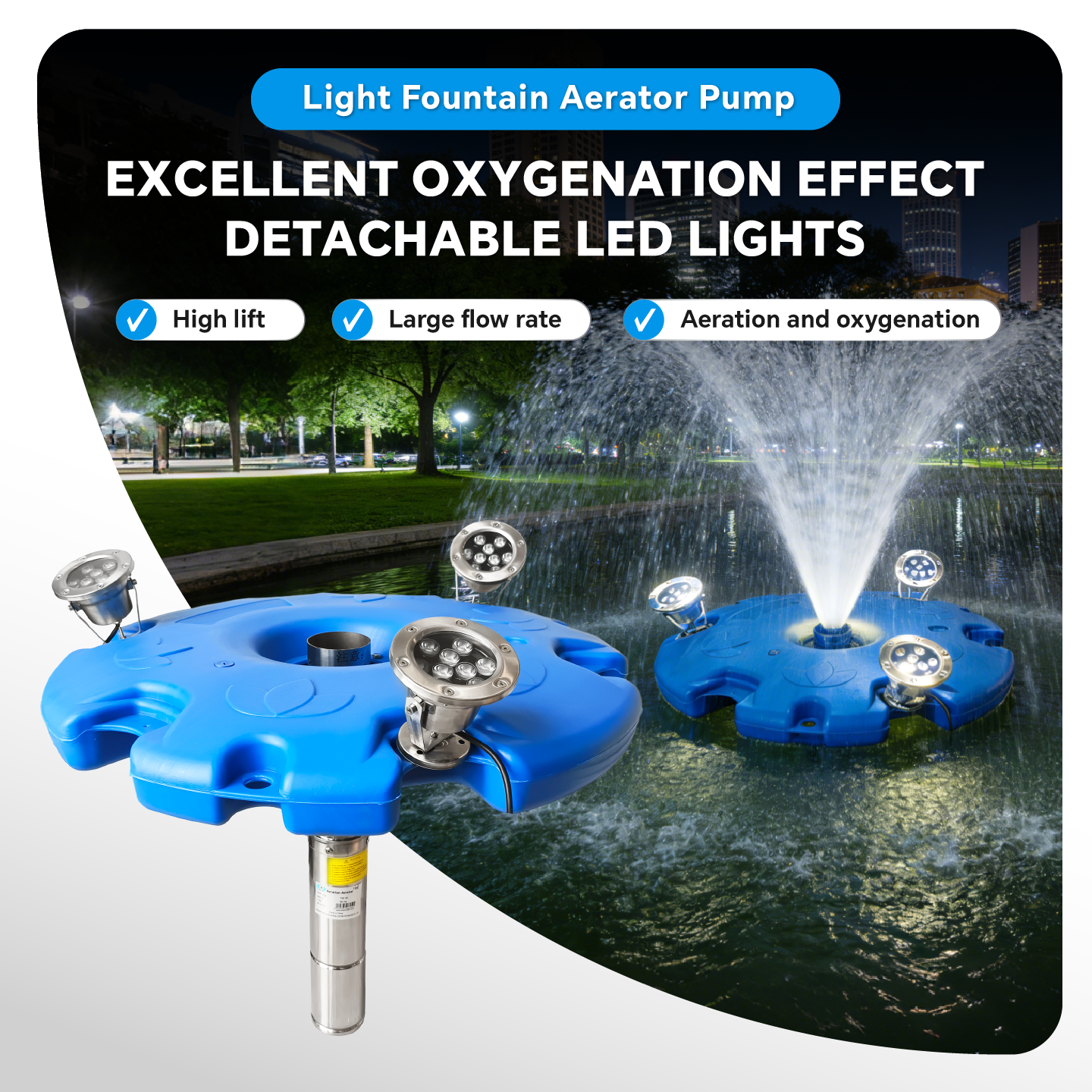
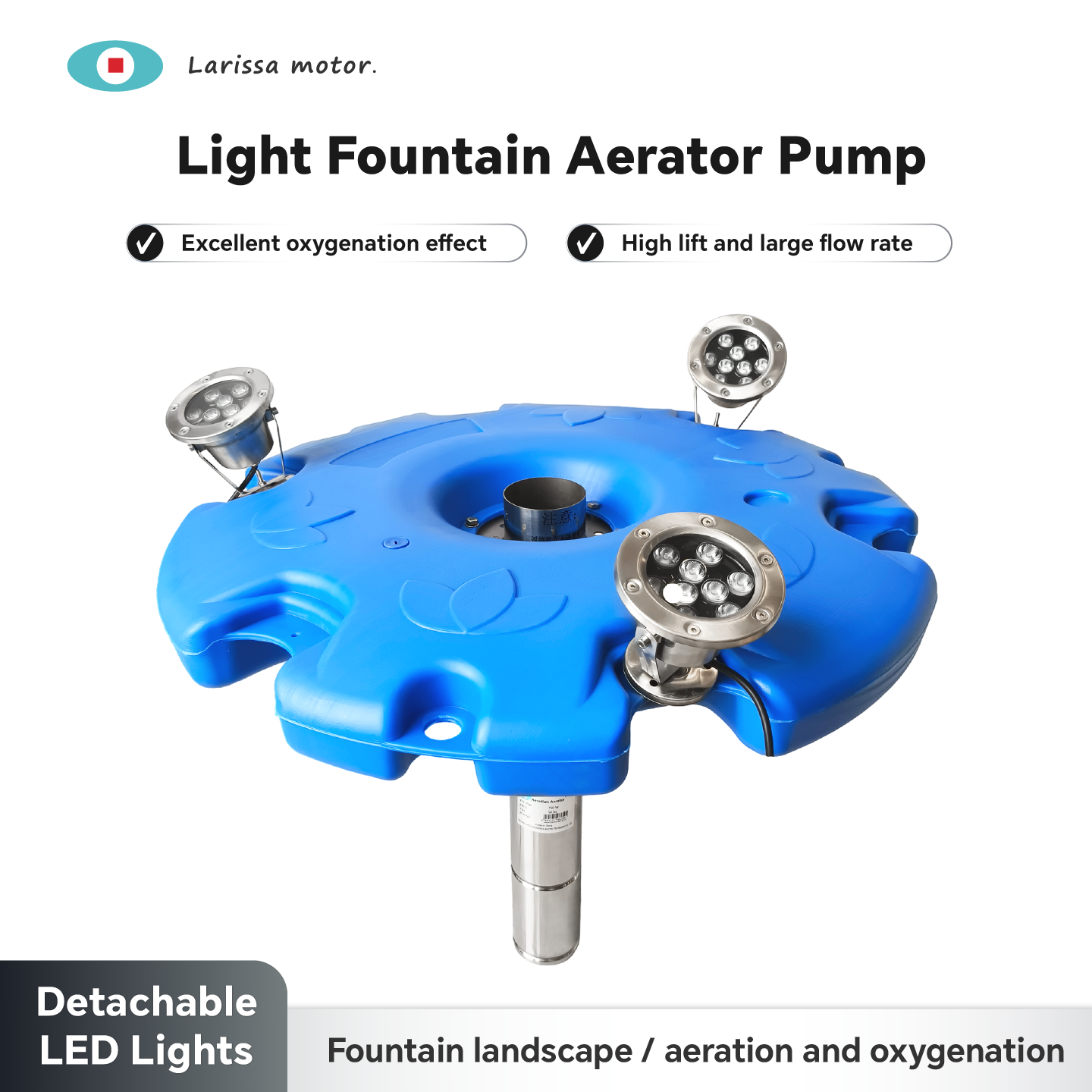
Next,  assess the design features that might be beneficial for your application. Some models offer  adjustable flow settings, integrated  LED lights, or decorative nozzles that  enhance aesthetic appeal. These features can  influence the project budget and overall design.

Also, consider the manufacturer's reputation. Companies with a strong track record in producing reliable, high-quality products,  like Larissa Motor, often provide  better customer support and warranty options. Investigate any  available case studies or testimonials that showcase the performance of specific models  in real-world  applications.

Lastly, factor in the price and availability. Ensure that the cost aligns with your project budget and that the chosen model can be  sourced in a timely manner to meet project deadlines.</p>

By understanding these various  aspects,  you can make informed decisions  that enhance the  success  of your  solar powered fountain pump installations.

What to Consider When Choosing a Solar Powered Fountain Pump for Projects

When selecting a solar  powered  fountain pump, several  factors need to be evaluated to ensure it meets your project's requirements. First, consider  the pump flow rate, which should match the size and  design of your fountain. Higher flow rates  are typically needed for larger fountains  to maintain an  attractive display. Additionally, assess  the solar panel size and  wattage, as these directly influence the pump's operational capacity and efficiency. For those looking for reliable options, the DC CPM Centrifugal Water Pump for Solar Irrigation & Agricultural Water Transfer can be an excellent choice.

Durability is another essential consideration.  Look for pumps made from corrosion-resistant materials  such as stainless steel or  high-quality plastics that can withstand outdoor conditions. Furthermore, be aware of the battery storage capacity.  A larger battery allows for extended  operation during cloudy days or at night, enhancing the pump's  reliability.

Lastly, evaluate the installation requirements. Some pumps are designed for easy DIY installation, while others may require professional assistance.  Understanding  the installation process  can help you determine if  the pump aligns with your project capabilities.

Get a Professional Sourcing Quote

Our pump experts will review your request and reply within 12 hours.
Choose Your Needs Optional Business Type
Customization Requirements Optional
Email
Name
Company Name & Website
Message
0/1000

Related product categories