Choosing the Right Deep Well Pump for Your Projects

Get a Professional Sourcing Quote

Our pump experts will review your request and reply within 12 hours.
Choose Your Needs Optional Business Type
Customization Requirements Optional
Email
Name
Company Name & Website
Message
0/1000

well pump deep well

When it comes to  sourcing a well pump  for deep well applications, purchasing  managers and engineers face several critical decisions. A deep well pump is  vital  for  efficiently extracting groundwater from  significant  depths, making it  essential to understand the product's  specifications,  materials,  and  performance characteristics. , we will help you navigate the complexities of  selecting a deep  well  pump, including  common challenges, best practices, and cost factors, ensuring you make  informed choices  tailored  to your specific project needs.
Best Practices

Best Practices

When sourcing deep well pumps, adhere  to the following best  practices to ensure successful procurement and operation:

Assess Site Conditions: Conduct a  thorough  site assessment to  understand the depth of the well, water quality,  and  any environmental  factors that might affect pump performance.

Request  Samples:  Before finalizing your purchase, request samples of the pumps or components. This will allow you to review their construction, materials, and compatibility  with your existing systems.


Quality Control: Ensure the  manufacturer has robust quality  control processes  in place. This includes certification to international standards, which can significantly reduce the risk of operational failures.

Customization  Options: If standard models do not meet your  specific requirements,  inquire about customization capabilities. Manufacturers often offer tailored solutions  that can enhance performance and reliability.

Installation Guidance: Obtain clear installation instructions and support from the supplier to ensure proper setup. This is critical to achieving optimal performance and longevity from the pump.
 
Evaluating Material Advantages in Deep Well Pump Manufacturing

Evaluating Material Advantages in Deep Well Pump Manufacturing

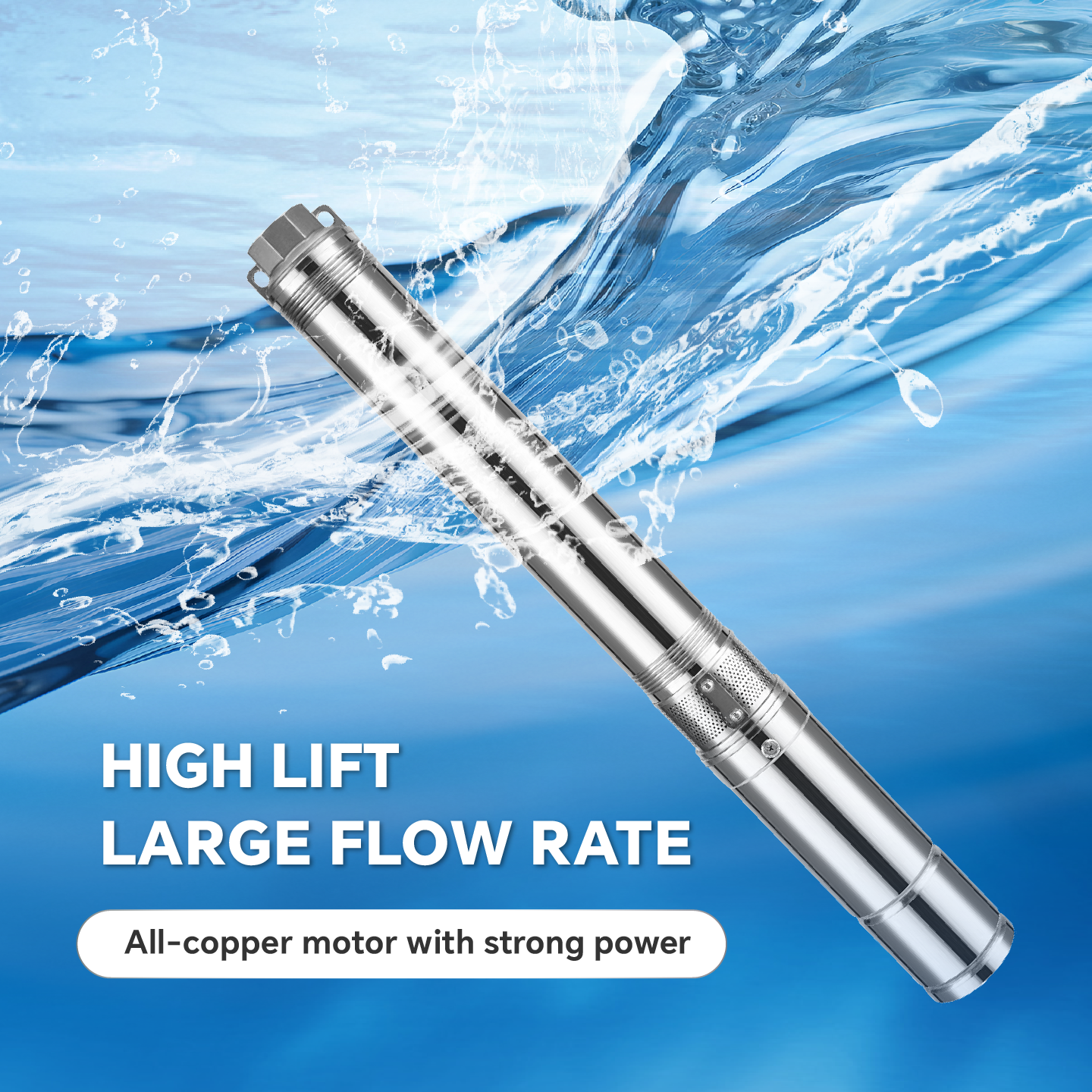
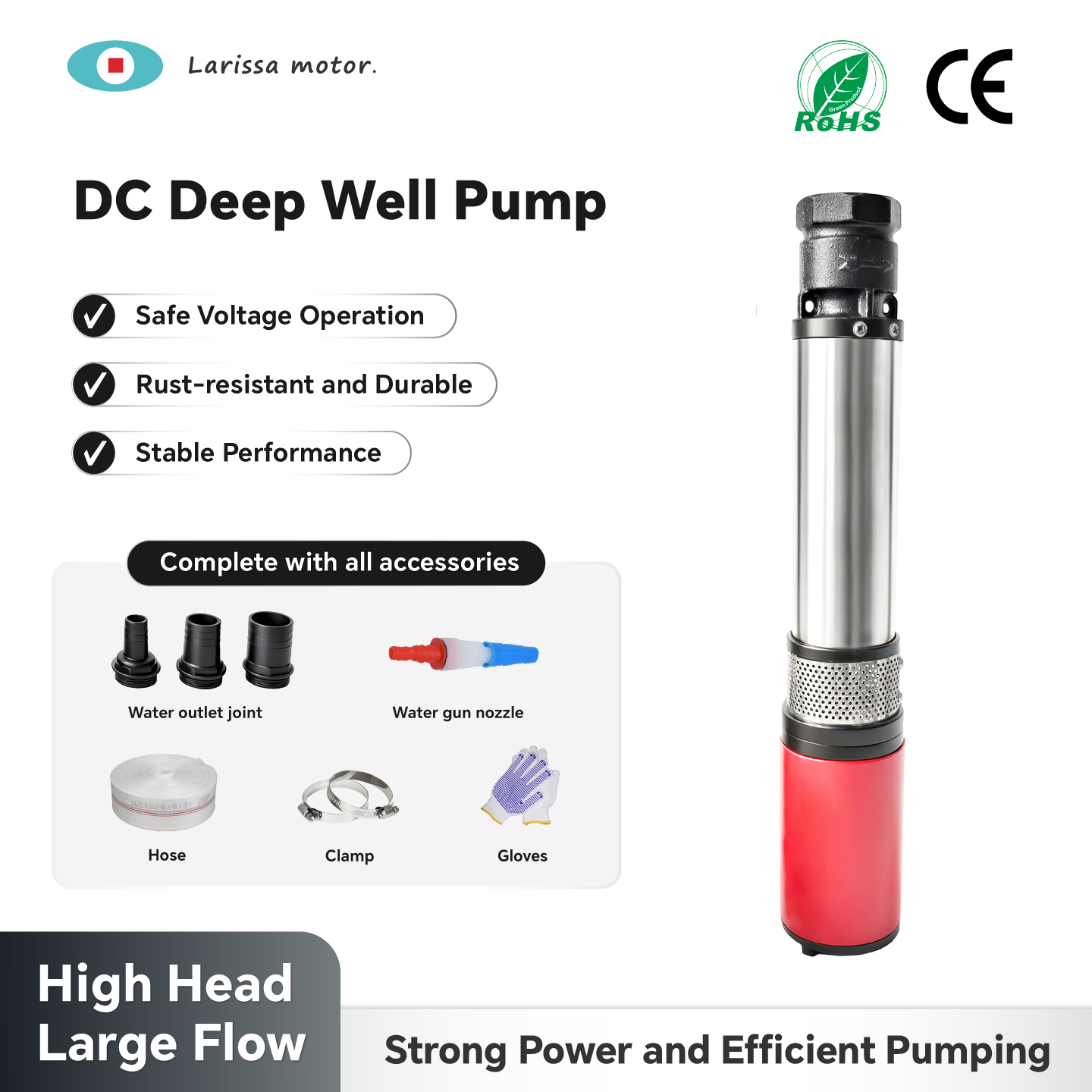
The  material used  in deep well pump  manufacturing is crucial for both performance and longevity. Stainless steel,  for instance, is highly resistant to  corrosion and can  withstand  high pressures, making it ideal for most deep well applications.  It is also less likely  to leach harmful substances  into the water supply, ensuring compliance with health regulations.


Thermoplastic materials, while often less  durable than  metal options,  can offer excellent resistance to chemical exposure. They are  typically lighter, which  can simplify installation and reduce transportation costs. When evaluating materials, consider not only  the initial purchase price but also the long-term benefits, such as maintenance requirements and potential downtime  costs associated with failures due to  material fatigue. Products like the Solar Powered Deep Well Submersible Pump for Off-Grid Water Supply & Irrigation exemplify the advantages of using durable materials.

It's essential to  consult with manufacturers like Larissa Motor, who specialize in high-quality electromechanical products, to gain insights into the best materials for your specific application.

Common Problems with Deep Well Pumps and Their Solutions

Common Problems with Deep Well Pumps and Their Solutions

Despite their robustness, deep well pumps can encounter several common  issues:

Cavitation: This occurs when the pump is  unable to maintain the required pressure, leading  to vapor bubbles that can damage internal components. To prevent cavitation, ensure that the pump is  correctly sized for your  application and  that  it is  installed at the appropriate depth.

Overheating: Pumps can overheat due to insufficient water supply or motor issues. Regular maintenance, including checking the bearings and seals, can help mitigate this  risk.


Electrical Failures: Ensure that electrical connections are secure and that the  power supply  is  stable. Voltage fluctuations can lead to motor burnouts, so consider using voltage regulators if necessary.


Clogging:  Debris can clog the pump intake, reducing efficiency. Implementing a filtration system can help prevent this issue, as  can routine maintenance checks to ensure that the intake is clear.

Understanding  these potential problems and their solutions will not only enhance the reliability  of your pump but also extend  its operational  life.

Cost Factors to Consider When Purchasing Deep Well Pumps in Bulk

When evaluating the total cost  of purchasing deep well pumps in bulk, several factors should be taken into  account:

Unit Price vs. Total Cost of Ownership: While the initial unit price  might be  appealing, consider the total cost of ownership, including installation, maintenance,  and operational costs. A lower-priced pump may incur higher long-term expenses due to frequent repairs or replacements.


Customization Costs: If your projects require customized solutions, factor in the additional costs associated with modifications. Custom pumps may have longer lead  times, which can impact project timelines.

Shipping and Packaging: Bulk orders can lead  to  higher shipping costs, especially if the pumps are heavy or require special handling. Evaluate packaging methods  to ensure they meet safety standards while minimizing transport expenses.

Minimum Order Quantities (MOQ): Some suppliers have an MOQ, which  can affect  your purchasing strategy.  Ensure you  understand these requirements and align your order quantities with your project's needs.

Warranty and Support: Consider the warranty period and  the level of support offered by the manufacturer. A longer warranty may indicate better product confidence and can save costs in the event of failure.

By carefully analyzing these cost factors, you can make  a more informed purchasing decision  that aligns with your project budget and goals.

In summary, selecting the  right deep well pump requires careful consideration of various factors, including specifications,  materials, and potential challenges. By following best practices and understanding the nuances of deep well pump procurement, buyers can ensure they invest in  products that meet their operational needs effectively.

How to Choose the Right Deep Well Pump for Your Projects

Selecting the right deep  well pump involves  understanding several key factors. First,  consider the pump's flow rate and head  pressure, which should align with your specific water extraction requirements. Flow rate  is typically measured  in  gallons  per minute (GPM), while head  pressure indicates the height the pump can lift water. Both specifications should be matched  to your project's demands.

Next, evaluate the pump's construction materials. Stainless steel and thermoplastic are common choices, each offering distinct advantages. Stainless steel pumps provide durability and corrosion resistance, making them suitable for  harsh environments, while thermoplastic  options can be lighter and more resistant to certain chemicals. The choice  of material should reflect the expected conditions the pump will face, including temperature fluctuations and potential exposure  to aggressive substances. For instance, the DC CPM Centrifugal Water Pump for Solar Irrigation & Agricultural Water Transfer is designed with these factors in mind.

Lastly, consider the  pump's power source. Deep well pumps can be powered by  electricity or solar energy,  depending  on the application's location  and energy availability. Understanding  your energy sources will help you make a choice that maximizes efficiency and reliability.

Get a Professional Sourcing Quote

Our pump experts will review your request and reply within 12 hours.
Choose Your Needs Optional Business Type
Customization Requirements Optional
Email
Name
Company Name & Website
Message
0/1000

Related product categories