Understanding the Cost of Submersible Pumps

Get a Professional Sourcing Quote

Our pump experts will review your request and reply within 12 hours.
Choose Your Needs Optional Business Type
Customization Requirements Optional
Email
Name
Company Name & Website
Message
0/1000

cost of submersible pump

Submersible pumps are critical components in various industrial  applications, designed  to operate underwater  and  efficiently move fluids from one location to another. Understanding the  cost of submersible  pumps is  essential for purchasing  managers and  engineers,  as it directly  impacts  project  budgets and operational efficiency.  This article will  address key  factors affecting the cost, help you  choose the right  pump for  your needs, and provide insights into specifications, common challenges, and materials  used in industrial applications. One important option for consideration is the DC CPM Centrifugal Water Pump for Solar Irrigation & Agricultural Water Transfer.
Key Specifications to Evaluate in Submersible Pumps for Wholesale

Key Specifications to Evaluate in Submersible Pumps for Wholesale

When considering submersible pumps for wholesale, several  specifications should be evaluated to  ensure  the right fit for your needs:

Motor Power and  Efficiency: The motor's power  rating determines how effectively the pump can handle the required flow rate and head. Efficiency ratings can also affect operational costs over time.

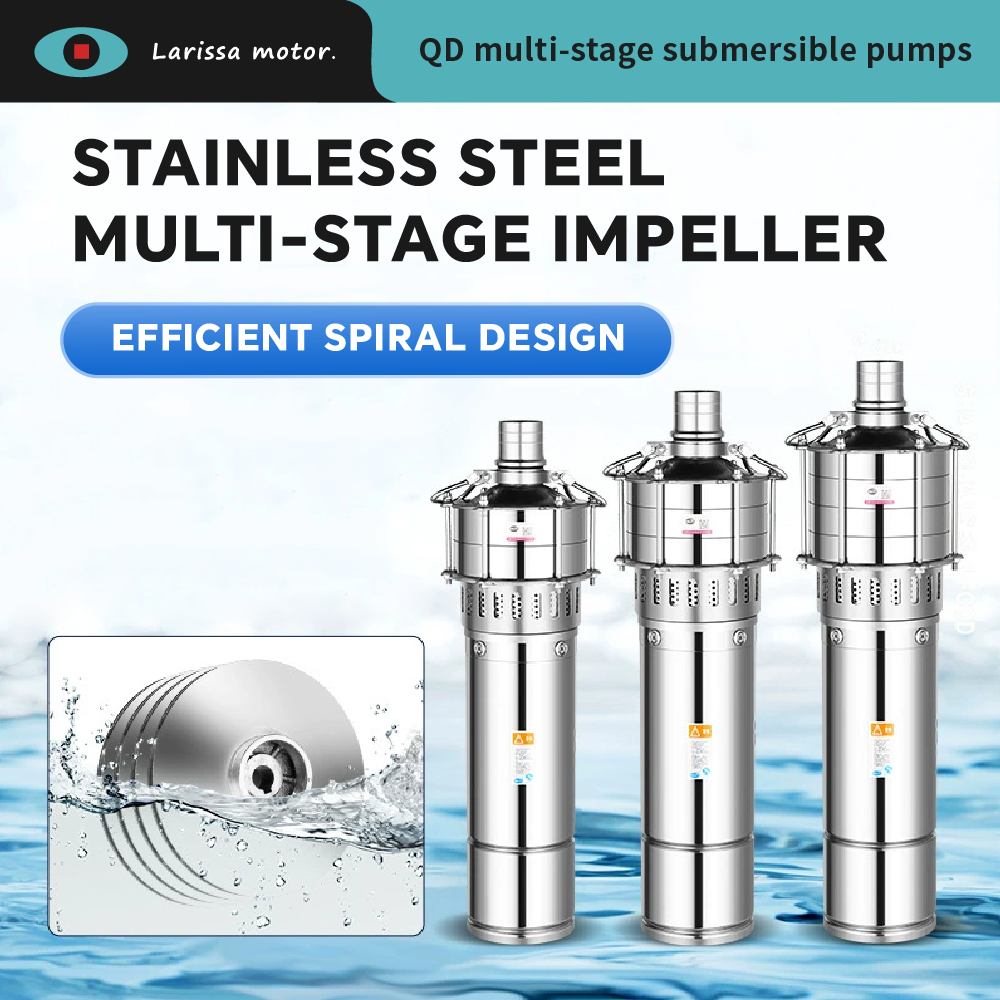
Impeller Design: The impeller type impacts the pump's suitability for different fluids. For instance, a semi-open impeller  is better for liquids with solids,  while a closed impeller is  more efficient for clear liquids.

Material Composition: The materials used in the construction of the pump must be compatible with the fluid being pumped. For example, stainless steel is  often chosen for its corrosion resistance, while thermoplastics may be suitable for  less aggressive environments.

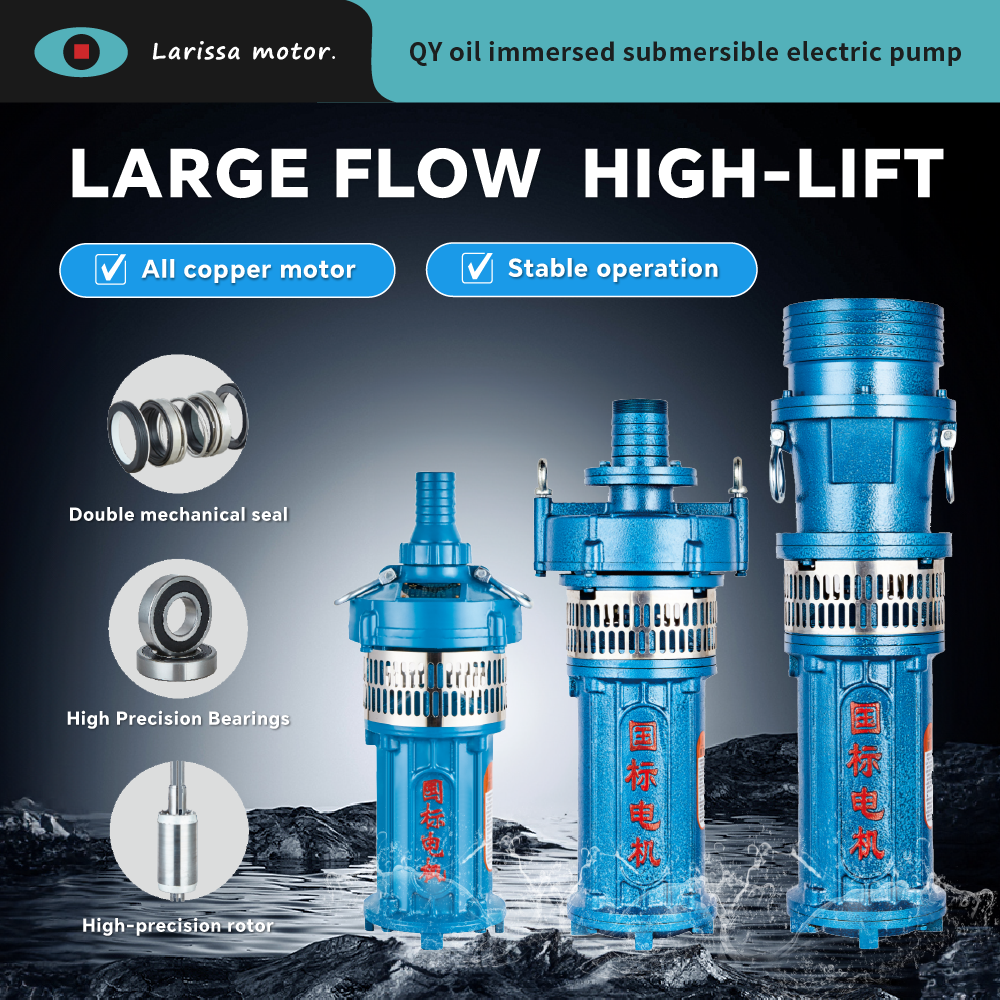
Sealing Mechanisms: A reliable sealing system is crucial for  preventing leaks and  ensuring the longevity of the pump. Look for pumps with double mechanical seals or oil-filled chambers for  enhanced  protection.

Dimensions and Weight: Ensure that the  pump size and weight fit the installation requirements. Overly large or heavy  pumps  may complicate  installation and maintenance.

Understanding these specifications, as well as the potential  impact  on pricing, can help buyers make informed decisions.
What Buyers Need to Know

What Buyers Need to Know

When purchasing submersible pumps,  buyers should be aware of several key factors  that can influence the overall cost:

Customization  Needs:  If your application requires specific modifications, this can affect the initial  price and lead time. Discuss customization options directly with the manufacturer to get accurate quotes.


Minimum Order Quantities (MOQ): Different manufacturers may have varying MOQs, which  can impact  purchasing decisions. Consider how this  aligns with your project scale.

Quality  Assurance Standards: Verify that  the manufacturer adheres to relevant quality control processes and certifications. This not only ensures product reliability but can also influence the cost.

Lead Time  and Delivery: Understand the production timelines and shipping options. Extended lead times can disrupt  project schedules, making it crucial  to factor this into your planning.

Warranty  and After-Sales  Support: A  robust warranty and good customer service can save costs in the long run by minimizing maintenance and replacement expenses.

These considerations can  help streamline the  purchasing process and ensure you receive high-quality,  cost-effective solutions.

Common Problems with Submersible Pumps and Their Solutions

Common Problems with Submersible Pumps and Their Solutions

Submersible pumps, while reliable, can experience issues that may affect performance. Here are  some common  problems and their solutions:

Overheating: This can  occur if the  pump runs dry or if  there is insufficient  cooling. To mitigate this, always ensure the pump is submerged according to manufacturer's guidelines and consider  installing thermal protection devices.

Clogging: Debris in the fluid can lead to clogs, which can damage the  pump.  Regular  maintenance and the installation of inlet screens can help  prevent this issue.

Electrical  Failures: Power surges or improper wiring can lead to pump failure. Implementing surge protection devices  and ensuring  proper installation  can  reduce  these risks.

Seal Failures: If  seals wear out or become damaged, leaks can occur.  Regular inspections and timely replacement of seals can help maintain  pump integrity.

By addressing these problems proactively, buyers can enhance the reliability and lifespan of their submersible pumps.

Material Advantages of Submersible Pumps for Industrial Applications

The materials used in submersible pump construction significantly influence their performance and durability  in industrial applications. Here  are some advantages  of common materials:

Stainless Steel: Known for its corrosion resistance, stainless steel is ideal  for  applications involving  aggressive fluids. It provides strength and longevity, making it  a preferred choice for many industrial settings.

Cast Iron: This material is robust and  cost-effective, suitable for wastewater and  non-corrosive applications. It can withstand high pressures and offers good wear resistance.


Thermoplastics: Lightweight and resistant to chemicals, thermoplastics are suitable for less  demanding environments. They are often used in applications where corrosion  is a concern.

Bronze: Used primarily for marine applications, bronze offers excellent corrosion  resistance  in saltwater environments and is beneficial for specific  industrial setups.

Choosing the right material based on the application's requirements is vital for ensuring optimal performance and minimizing  maintenance costs. Always consult with manufacturers like Larissa Motor to determine the best material for  your specific needs.


By  understanding these aspects of submersible pumps, B2B buyers  can make more informed decisions, ensuring that they choose the right pump for their applications while effectively managing costs.

How to Choose the Right Submersible Pump for Your Projects

Selecting the  right submersible pump involves evaluating several critical factors.  First, consider the application requirements such as the type of fluid being  pumped,  flow rate, and total  dynamic head (TDH). For example, a pump  designed for wastewater will differ significantly from one intended for clean water or chemical  processing.


Next,  think about the power source. Submersible pumps  can be electric or hydraulic, and the choice  often depends on the availability of power and the specific demands of  the  application.

Additionally, assess the  environment in which  the pump will  operate. Factors  such as temperature, pressure, and the presence of corrosive substances  can influence the pump's  design and material selection.

Finally, always consult with manufacturers like Larissa Motor, who can provide customized solutions based on your requirements  while ensuring compliance with international standards. For instance, a pump like the Heavy-Duty Industrial Boiler Feed Water Pump for Hot Water Circulation & Heating Systems might be suitable for specific applications.

Get a Professional Sourcing Quote

Our pump experts will review your request and reply within 12 hours.
Choose Your Needs Optional Business Type
Customization Requirements Optional
Email
Name
Company Name & Website
Message
0/1000

Related product categories