EN
EN

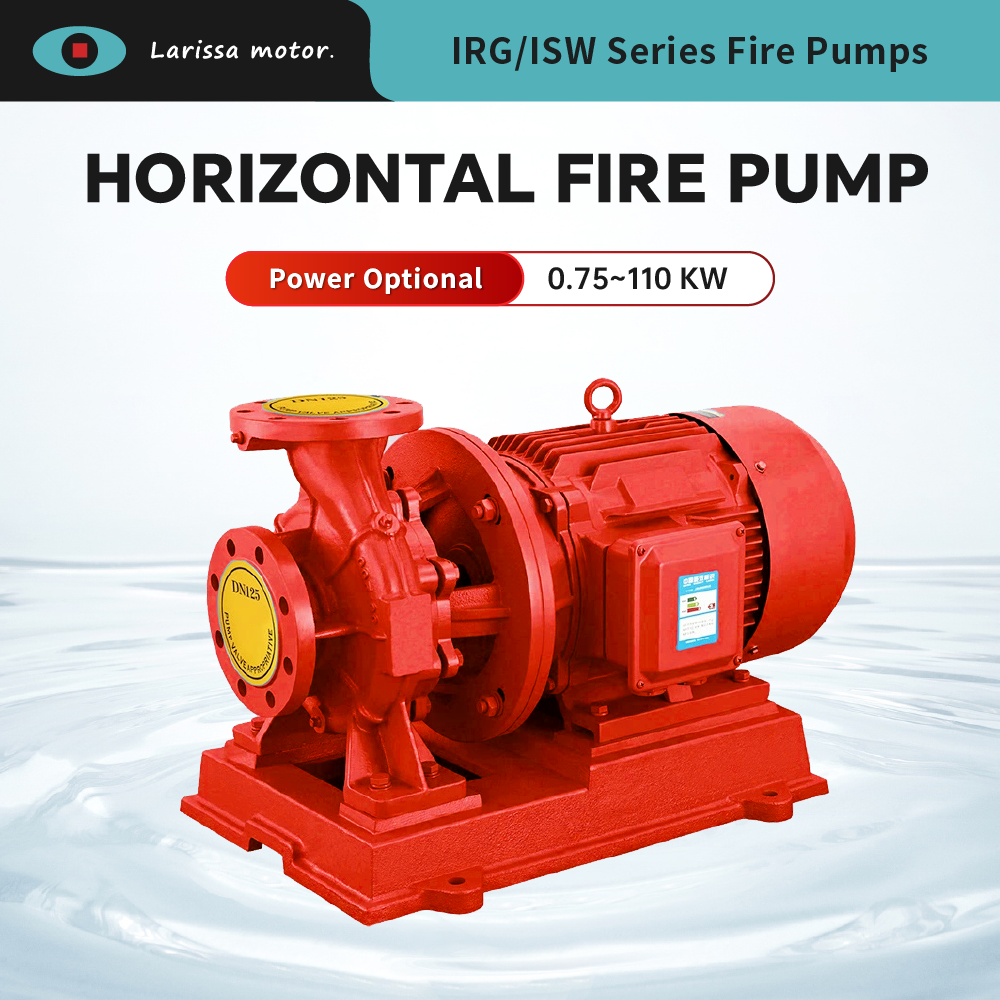
Fire pumps are essential equipment designed to supply water at high pressures to combat fires effectively. For B2B buyers such as purchasing managers, engineers, and distributors, understanding the critical features and applications of fire pumps is vital for making informed decisions. This article aims to address common buyer concerns regarding quality, reliability, and supplier selection, helping you navigate the complexities of purchasing fire pumps for various applications.
How to Evaluate the Quality of Fire Pumps for Your Projects
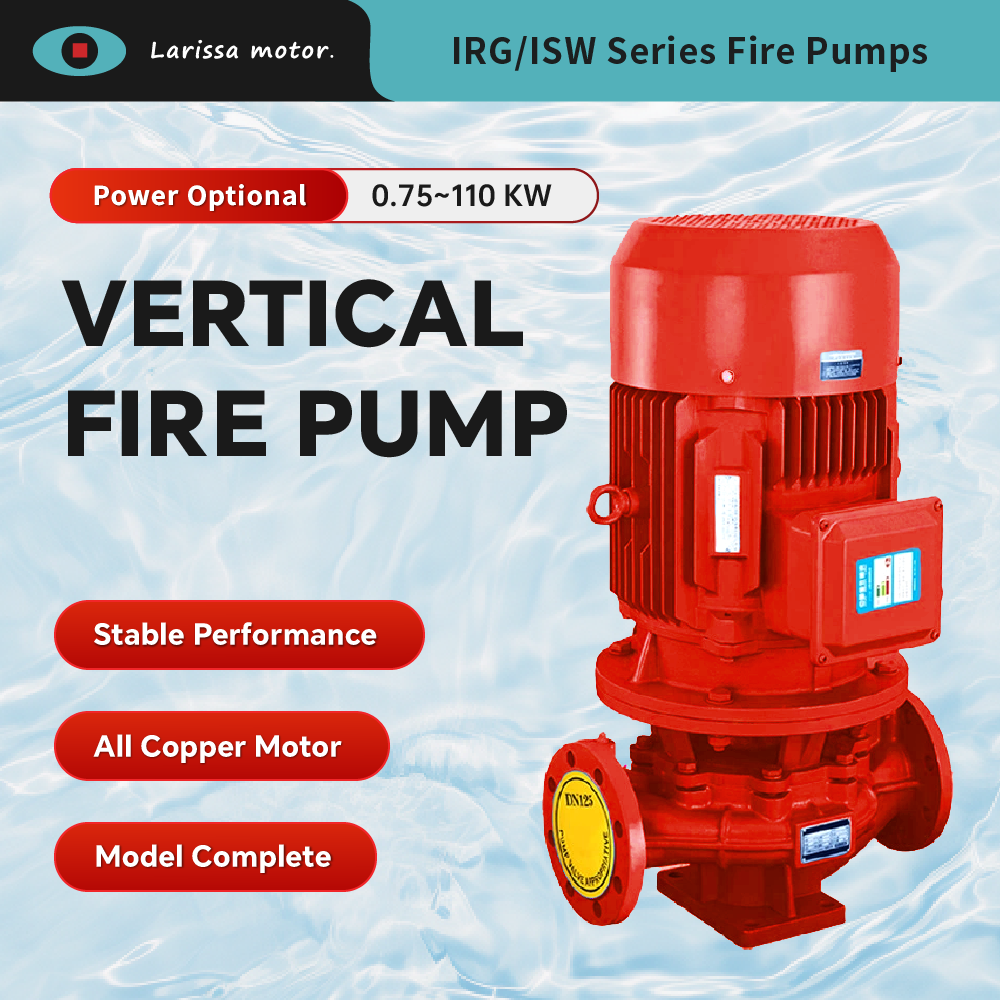
Evaluating the quality of fire pumps involves several critical steps. First, assess the specifications that matter most for your application. Important factors include:
Flow Rate: Measured in gallons per minute (GPM), this indicates how much water the pump can deliver. Ensure it meets the requirements for the intended fire protection system. Pressure Rating: This is crucial for determining how effectively the pump can deliver water to the fire. A pump's pressure must match the system's needs, taking into account the height and distance the water must travel. Materials Used: High-quality materials like cast iron or stainless steel contribute to the pump’s durability and resistance to corrosion. Ensure that the materials meet the environmental conditions they will face.Quality control processes should also be examined. Manufacturers like Larissa Motor often implement rigorous testing protocols to ensure that every pump meets international standards before leaving the production line. Requesting documentation or third-party testing results can provide additional assurance of quality.