Selecting the Right Motor Pump for Your Project

Get a Professional Sourcing Quote

Our pump experts will review your request and reply within 12 hours.
Choose Your Needs Optional Business Type
Customization Requirements Optional
Email
Name
Company Name & Website
Message
0/1000

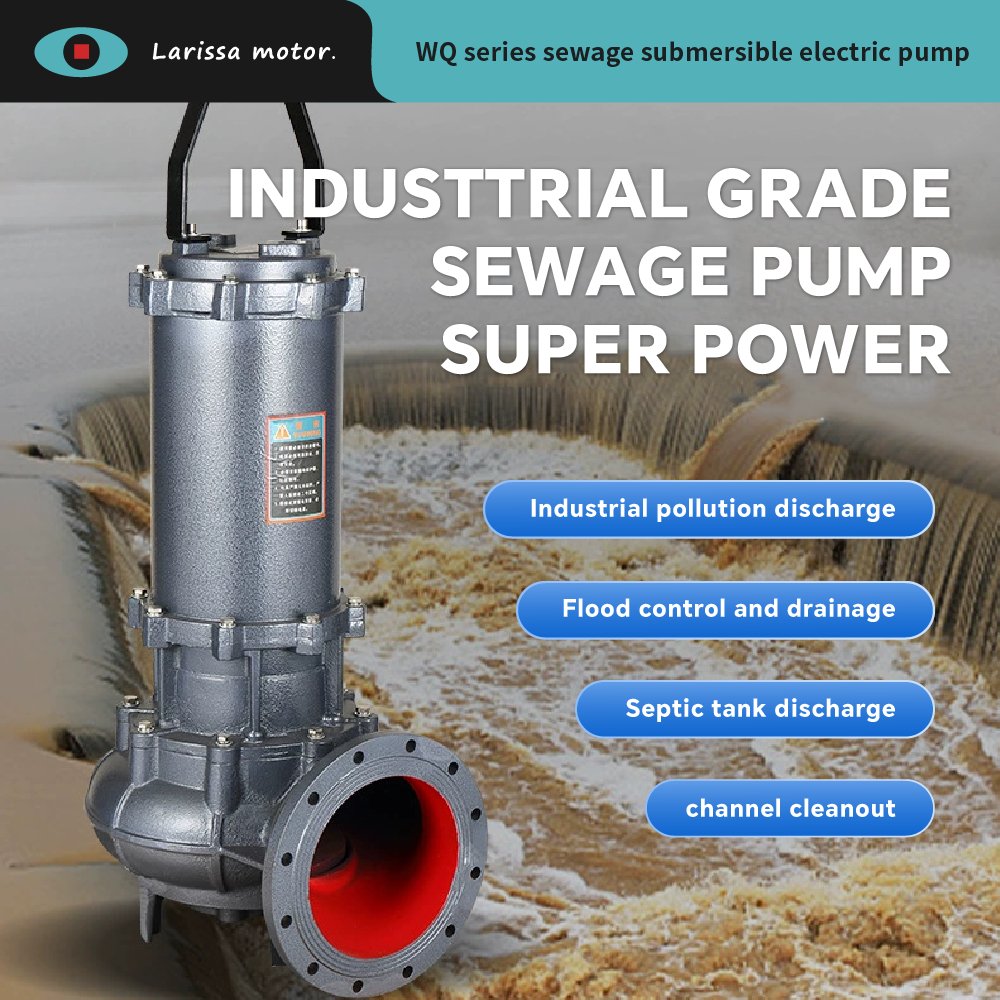
motor pump

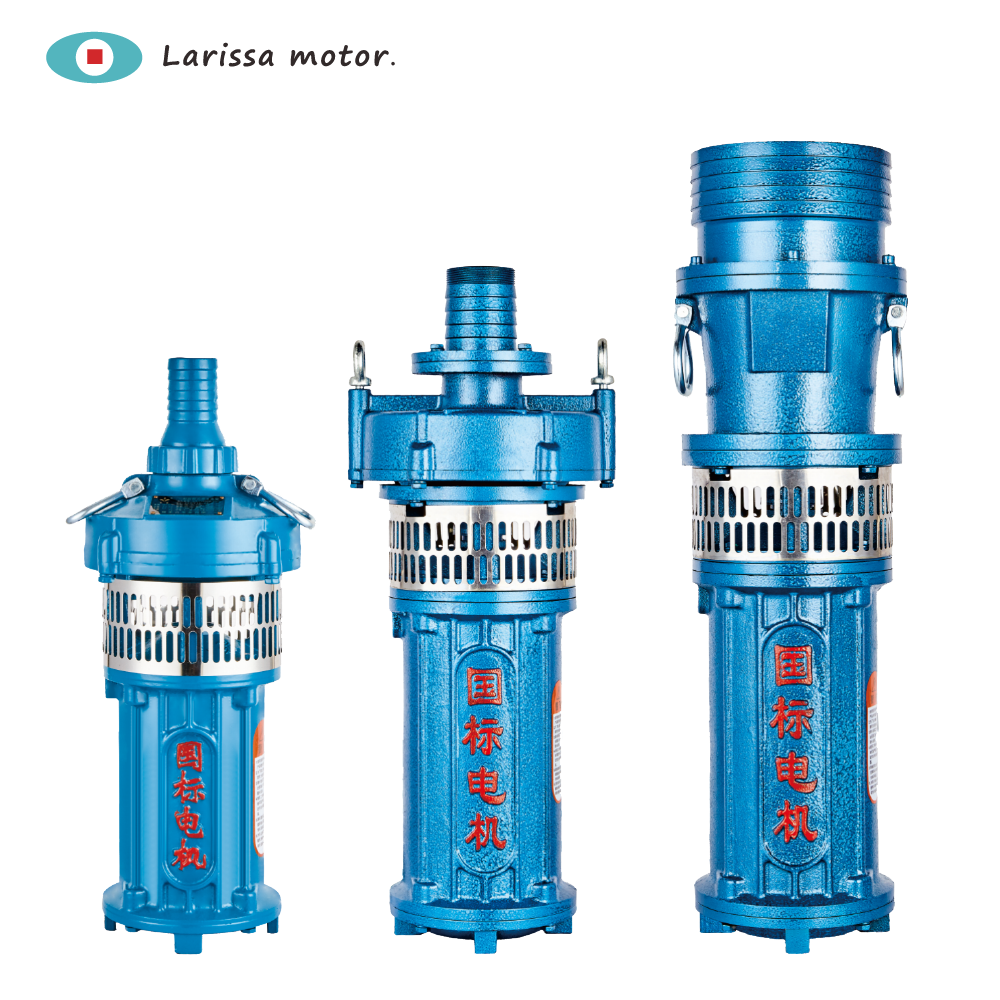
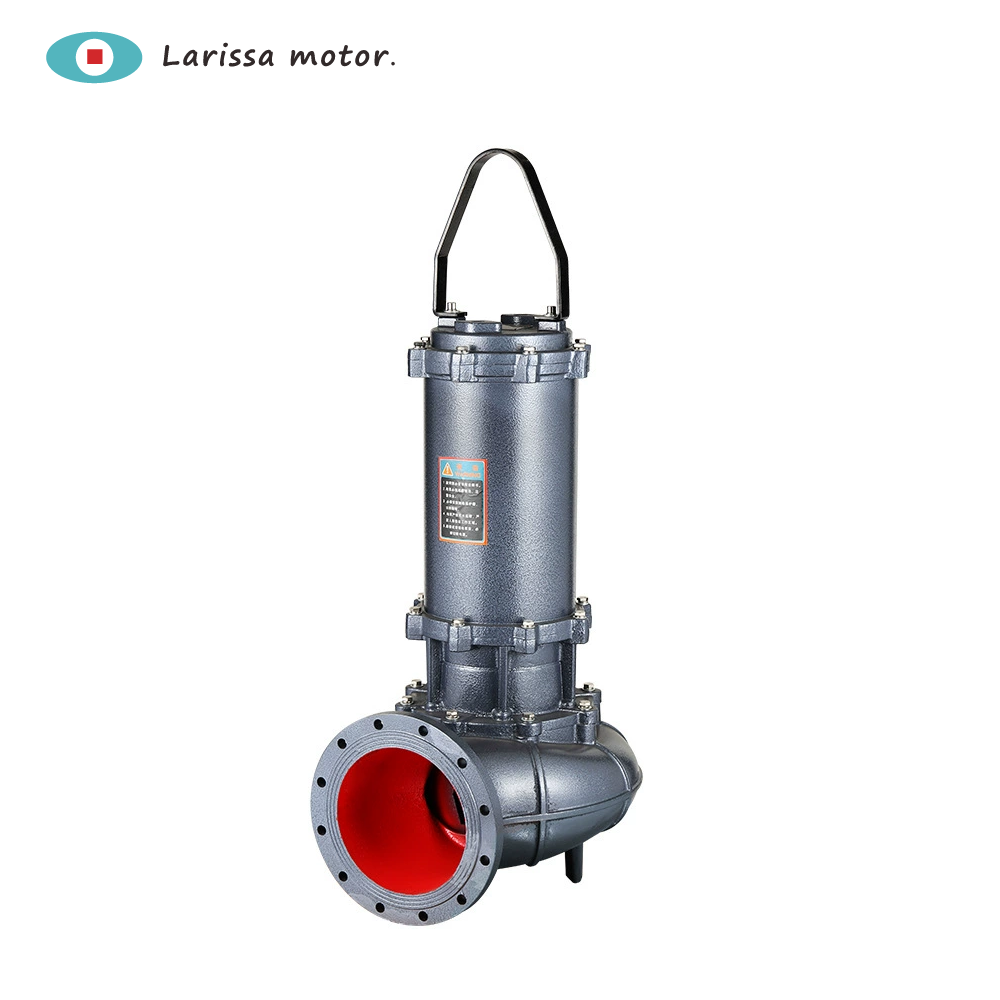
Motor pumps are essential  electromechanical devices used in  various industrial applications to  move fluids effectively. For purchasing managers,  engineers,  and product managers, understanding the specifications and features  of  motor pumps is  crucial  for  making  informed  procurement  decisions. This article  will guide  you through the key factors to consider when selecting  a motor pump,  sourcing reliable suppliers, understanding cost implications,  addressing installation challenges, and comparing  options  to meet your specific needs. Additionally, exploring options like Solar Pumping Systems can provide alternative solutions for specific applications.
Where to Find Reliable Suppliers for Motor Pumps in Bulk

Where to Find Reliable Suppliers for Motor Pumps in Bulk

Finding reliable suppliers for motor pumps is crucial for ensuring quality  and  performance. Here are some effective strategies for sourcing suppliers:

Industry Trade Shows: Participating in trade shows related to industrial equipment is  an  excellent way to meet  manufacturers and distributors. It allows you to compare different motor  pump offerings and establish relationships with potential suppliers.

Online  Marketplaces and Directories: Websites like ThomasNet or Alibaba can  help you find manufacturers and wholesalers. Look for suppliers  with positive reviews, certifications, and a proven track record in delivering  quality products.

Industry  Associations: Joining  associations related to your industry can provide access to a network of trusted suppliers. These organizations often have directories or recommendations for reputable manufacturers.

Referrals: Reach  out to industry peers  or colleagues who have experience with motor pump  suppliers. Personal  recommendations can  lead to finding reliable sources and may help in negotiating better terms.


When evaluating suppliers,  consider their production capabilities, customization options, and quality control processes to ensure they meet  your specific requirements.
Cost Factors to Consider When Sourcing Motor Pumps

Cost Factors to Consider When Sourcing Motor Pumps

Understanding  the cost factors involved in sourcing motor pumps is essential for budget management. Here  are some key considerations:

Unit Cost: The base price of the motor pump is a straightforward metric, but it  can vary significantly based on  specifications, materials, and brand reputation.  Always compare prices among similar products.

Customization Costs: If your  application requires specific  modifications, such as custom dimensions or unique material properties, be prepared for additional costs. Discuss these requirements upfront to avoid  surprises later.

Shipping and Handling: Depending on the  supplier's location, shipping costs can add to the total expense. Consider lead time and shipping methods, as  expedited options may also incur  higher costs.

Minimum Order Quantity (MOQ): Many  manufacturers have a MOQ policy. Understanding these requirements can  impact your overall budget,  especially if you need fewer  units.

Maintenance and Lifecycle Costs: Consider not just the upfront costs but also the  long-term maintenance  and operational costs associated with the  motor pump. Efficient  models may require less energy, saving costs over time.

Evaluating these factors  will provide a clearer picture of the total cost of ownership, enabling better financial planning.

Common Installation Challenges with Motor Pumps and Their Solutions

Common Installation Challenges with Motor Pumps and Their Solutions

Installing motor pumps can come with a set of challenges that need to be  addressed to ensure optimal  performance. Here are some common issues and their solutions:

Alignment Issues: Misalignment can lead to excessive wear and premature failure. Ensure that the motor pump  is aligned correctly with the piping system. Using alignment tools during installation can help achieve the proper setup.

Vibration  Problems: Excessive vibration can affect performance and lead to damage. To mitigate this, select a pump with appropriate mounting solutions and consider using vibration dampeners if necessary.

Inlet Conditions: Poor inlet conditions,  such as cavitation, can cause significant problems. Ensure  that the pump is installed with the correct inlet conditions, including proper  suction lift and avoiding sharp bends in piping.

Electrical  Connections: Properly connecting the motor’s electrical supply is crucial  for functionality. Ensure that the electrical specifications match the motor’s requirements and that safety regulations  are followed during installation.

Fluid Compatibility: Using the wrong fluid or  failing to account  for  temperature  and pressure  can lead to system failures.  Always confirm the compatibility of the fluid with the pump materials before installation.

Addressing these challenges during the installation phase can prevent costly downtime and enhance the  longevity  of  the motor pump.


How to Compare Motor Pumps for Your Specific Needs and Applications

Comparing motor pumps involves analyzing various aspects to determine which model best fits your application. Here’s how to approach this process:

Performance Metrics: Assess the  flow rate and pressure ratings to ensure they  meet your operational needs.  Compare these metrics across different models to determine which one offers the best  performance.

Material and Design: Examine the construction materials and design  features. Pumps designed for  specific applications, such as chemical transfer  or high temperature, will have different construction requirements.

Energy Efficiency: Evaluate the energy consumption of each model. A more energy-efficient motor pump can lead to significant savings in operational costs.

Maintenance  Requirements:  Some pumps may require regular maintenance, while others  are designed  for minimal upkeep.  Consider the long-term maintenance implications  when making your comparison.

Supplier  Support: Look for suppliers that offer  robust support services, including maintenance, spare parts  availability, and technical  assistance. This can make a significant difference in the long-term usability of the pump.

By  thoroughly comparing  these aspects, buyers can make informed decisions that align with their specific operational requirements while ensuring reliability  and cost-effectiveness.

Key Specifications for Selecting the Right Motor Pump for Your Project

When selecting a motor pump, several  specifications directly influence performance and application suitability. Key factors to consider include:


Flow Rate: This specification indicates the volume of fluid a  pump can move within a given time, typically measured  in liters  per minute (L/min) or gallons per minute (GPM). The required flow rate will depend  on your application’s demands, such as the size  of the system  and the desired speed of operation.

Pressure Rating: This indicates the maximum pressure the pump can handle, usually measured in pounds per square inch (PSI) or bar. It's critical to select a motor  pump that can withstand the pressures of  your specific  application to avoid failure.

Material Construction: The materials used in the  pump (such  as stainless steel, brass, or plastic) should be compatible with the fluids being pumped. For example, corrosive fluids require pumps made of resistant materials to ensure longevity and performance.

Power Source:  Motor pumps  can be powered by electricity, gas, or solar energy. Your choice will depend on the availability of power sources in your  operational environment and the energy efficiency required. For instance, Solar Water Pumps might be a viable option for eco-friendly solutions.

Motor Type: The type of motor (AC or DC) affects efficiency, control, and application suitability. Understanding  the  operational environment will help determine the best choice.

Buyers should  verify these specifications against actual operational requirements  and consult with suppliers to ensure compatibility with the intended application.

Get a Professional Sourcing Quote

Our pump experts will review your request and reply within 12 hours.
Choose Your Needs Optional Business Type
Customization Requirements Optional
Email
Name
Company Name & Website
Message
0/1000

Related product categories