Choosing the Right Sump Pump for Your Basement

Get a Professional Sourcing Quote

Our pump experts will review your request and reply within 12 hours.
Choose Your Needs Optional Business Type
Customization Requirements Optional
Email
Name
Company Name & Website
Message
0/1000

sump pump basement

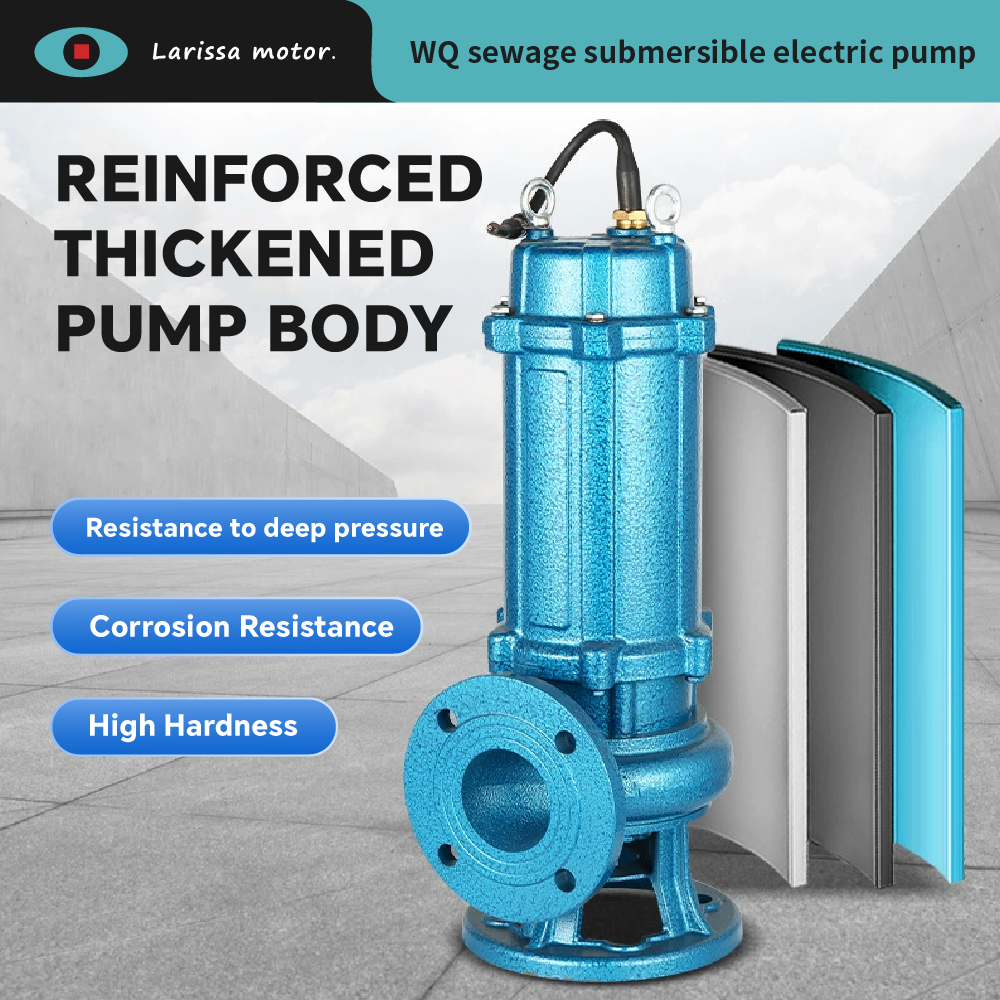
A sump pump basement system  is essential for preventing water damage  in  both residential and industrial settings. When selecting  a  sump  pump,  buyers often have concerns about  performance,  reliability, and long-term  costs. This article will guide you  through  critical  considerations for choosing  the  right sump pump, including specifications,  cost factors, common problems, and diverse  applications, ensuring you  make  an informed decision.
 
Key Specifications for High-Quality Basement Sump Pumps

Key Specifications for High-Quality Basement Sump Pumps

When sourcing  sump  pumps, understanding critical specifications is vital to ensure suitability for your application. Key specifications include:

Flow Rate: Measured in gallons per minute (GPM), the flow rate indicates how much water the pump can remove in a given time. A higher flow rate is essential for areas with substantial water accumulation.


Head Height: This  specification measures the vertical distance the  pump can lift  water.  Ensure the pump's head height matches or exceeds the height of the discharge point in your system.

Switch  Type: Sump pumps commonly feature either  a float switch or  a pressure switch. Float switches are  more traditional but can be  prone to sticking, while pressure switches offer a more reliable automation option.

Wattage  and Energy Efficiency: Evaluate the wattage requirements and energy efficiency ratings of the pump, as this will affect utility  costs over time, especially  in high-use scenarios.

Warranty and Certifications: Look  for pumps backed by a warranty and certifications,  such  as UL or CSA, indicating compliance with safety and performance standards.

Understanding these specifications will  aid in selecting a sump pump that provides reliable performance and  meets operational requirements.
Cost Factors to Consider When Sourcing Sump Pumps in Bulk

Cost Factors to Consider When Sourcing Sump Pumps in Bulk

When  considering bulk purchases of sump pumps, several  cost factors come into play:

Unit  Price vs. Total Cost: While  the  unit  price is an important consideration, buyers should  also consider the total cost of ownership, which includes maintenance, energy consumption, and potential repairs over the lifespan  of the pumps.

Volume  Discounts: Many manufacturers offer price reductions for bulk orders. It's advisable to negotiate terms that reflect your  purchasing volume to maximize savings.

Shipping and Handling Costs: Factor in  shipping costs, as bulk orders can  impact logistics. Ensure that you discuss packaging options that  minimize damage during transport.

Customization Needs: If customization is required—such as specific voltage,  control options, or unique materials—this  may increase the cost. Be sure to discuss customization capabilities with the manufacturer.

Lead Time: Understand the production and delivery timelines associated with your order. Longer  lead times may affect project schedules  and should be  factored into your overall cost planning.

Being aware of these cost factors will facilitate better budgeting and purchasing decisions for your sump  pump needs.

 
Common Basement Sump Pump Problems and Effective Solutions

Common Basement Sump Pump Problems and Effective Solutions

Even quality sump pumps can  encounter issues. Here are common problems and their solutions:

Pump  Not Turning On: This may be due to a faulty  float switch or power  supply issues. Regularly inspect and test the float mechanism, and ensure the power supply is consistent.

Pump Running Continuously: If the pump runs non-stop, it  could indicate a malfunctioning switch or that the sump pit is too shallow. Adjusting the  float switch  or increasing the pit's depth may resolve this issue.


Clogged Discharge Line: Sump pumps can fail if the  discharge  line is obstructed. Regular maintenance, including clearing debris and inspecting the line, is essential  to  prevent blockages.

Excessive Noise: Unusual noises may indicate worn bearings or loose components. Inspect the pump regularly and  consider  consulting a  technician if  noise persists.

Short Cycling: This  occurs when the  pump turns on and off too frequently, which can shorten its lifespan.  Adjusting the float switch height or installing a sump pit cover can help mitigate this issue.


Understanding these potential problems allows buyers to implement preventive measures and ensure optimal performance from their sump pumps.

Applications of Sump Pumps in Industrial and Residential Settings

Sump pumps  serve  a variety of applications across both industrial and residential settings:

Residential Use: In homes, sump pumps are primarily used in basements to manage excess groundwater and prevent flooding. They are essential in areas with high water tables  or significant  rainfall.

Commercial Properties: Businesses often utilize sump pumps to protect facilities from water damage, particularly in basements, crawl  spaces, or areas prone to flooding.

Construction Sites: Sump pumps are critical on construction sites, where managing water accumulation is essential for  maintaining safety  and project timelines. For construction needs, you might also explore Construction & Drainage Pumps.

Industrial  Applications:  Industries with high water exposure,  such as agriculture, mining, or manufacturing, rely on sump pumps for efficient water  management  and compliance  with safety regulations.

Flood Mitigation  Systems:  In regions prone to flooding, sump pumps are integral to flood mitigation systems, working alongside drainage  channels and retention basins to manage water levels  effectively.

By understanding the  various applications, buyers can better assess the type of sump pump that will meet their specific needs, whether for a home,  business, or industrial operation.


What to Consider When Choosing a Sump Pump for Your Basemen

When selecting a sump pump for your basement,  it's crucial to assess the specific needs of the intended application. Key considerations include the volume of  water that needs to be managed,  the anticipated flow rate, and the depth of the sump pit.

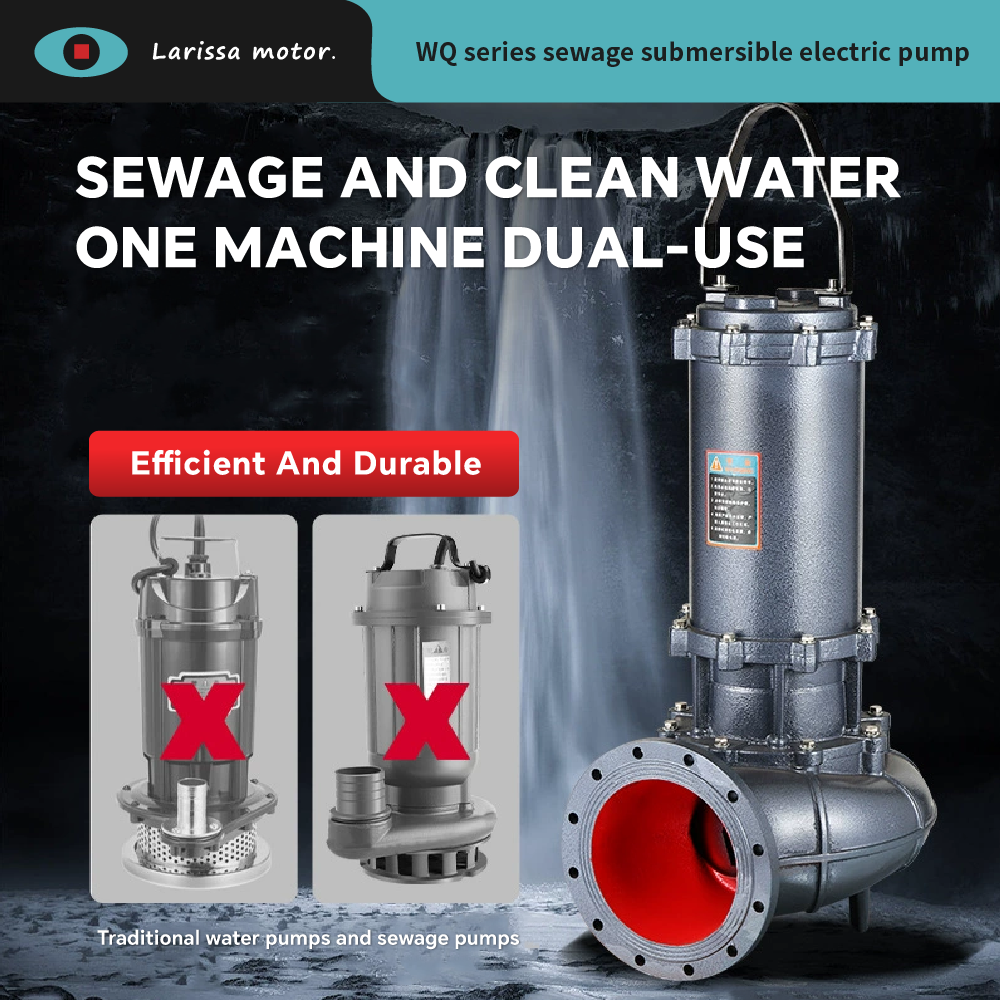
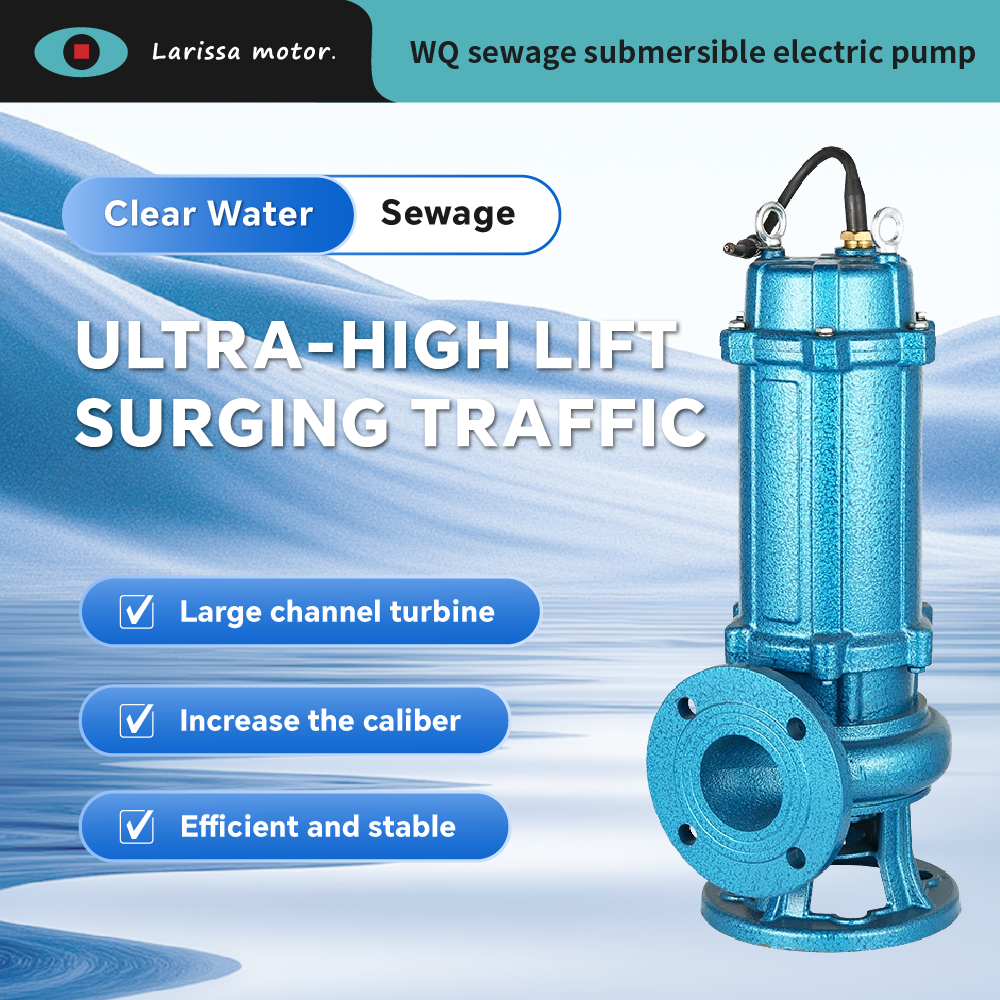
Type of Pump:  There are primarily two  types of sump pumps—submersible and pedestal. Submersible pumps are  placed underwater and are generally more efficient for  larger volumes, while pedestal pumps are easier to service but may have lower capacity. For those considering a submersible option, Submersible Pumps are a great choice.

Horsepower: The horsepower rating  of the  pump dictates its ability to move water.  For basements with minor flooding risks, a  1/4 HP pump may suffice; however, homes in flood-prone areas may  require 1/2  HP or greater.

Durability: Look for pumps constructed from corrosion-resistant materials such as stainless  steel or thermoplastic  to ensure longevity  and reliable performance in wet environments.

Power Source: Consider whether the pump  will run on standard electrical power or require battery backup for emergencies. A reliable backup  system is essential in areas prone to  power outages during storms.

By evaluating these factors closely, buyers  can select a sump pump that not only meets their immediate needs but also stands up to the challenges of their specific environment.

Get a Professional Sourcing Quote

Our pump experts will review your request and reply within 12 hours.
Choose Your Needs Optional Business Type
Customization Requirements Optional
Email
Name
Company Name & Website
Message
0/1000

Related product categories