EN
EN
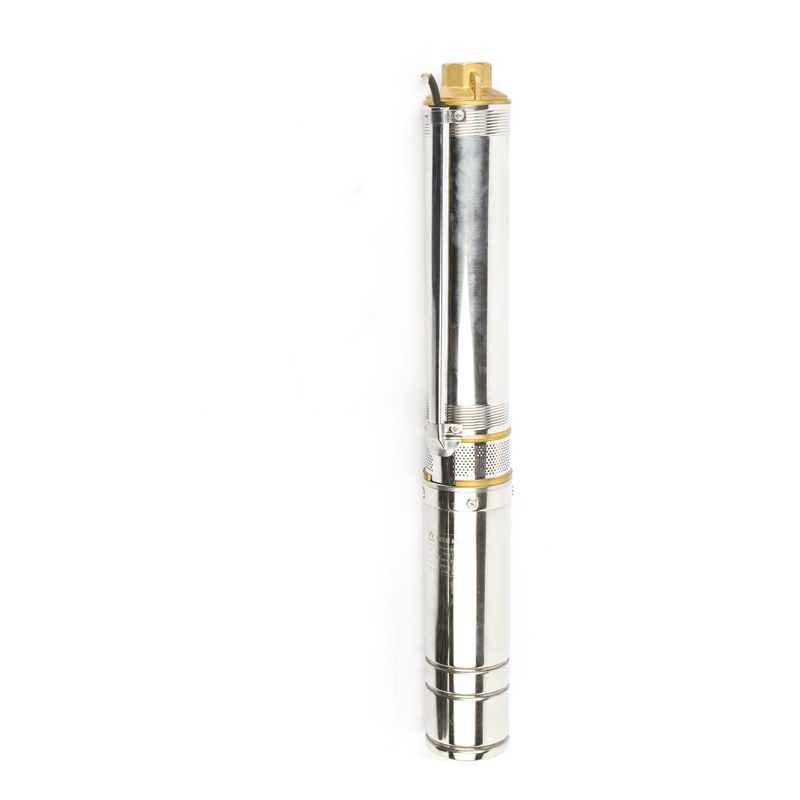
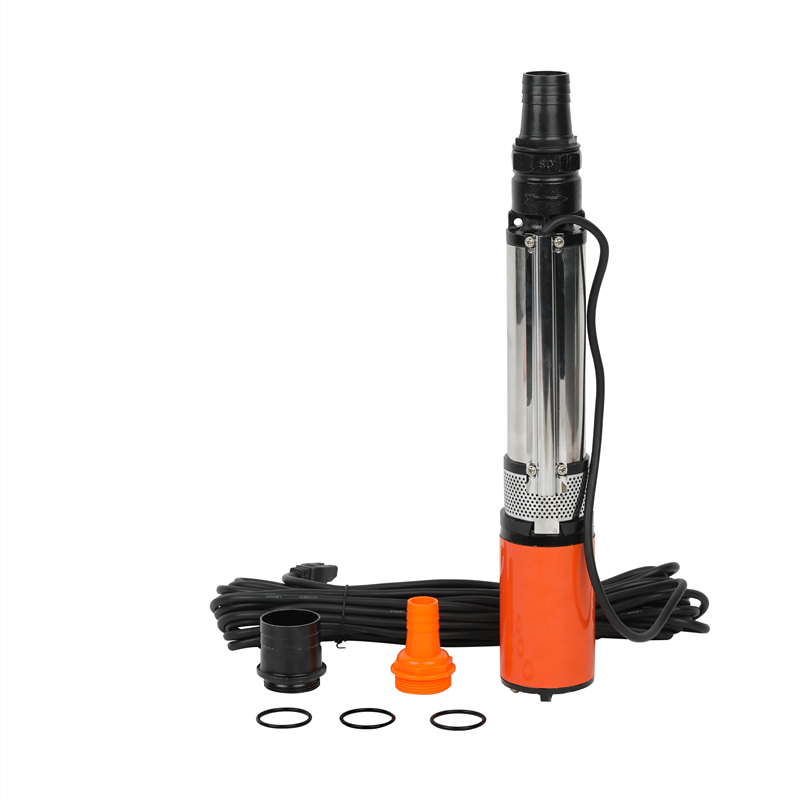
Deep well pumps are essential components in various industrial applications, allowing for the efficient extraction of groundwater from deep underground sources. For bulk buyers, such as purchasing managers and engineers, understanding the nuances of deep well pumps is crucial for making informed procurement decisions. This article will delve into key specifications, best practices, common problems, cost factors, and applications related to deep well pumps, providing valuable insights for wholesale buyers. Additionally, exploring options like Solar Pumping Systems can also be beneficial for various applications.
Best Practices and Tips
To maximize the performance and longevity of deep well pumps, wholesale buyers should adhere to several best practices:
Conduct Thorough Research: Understand the specific applications and requirements of your project before selecting a pump. Research different manufacturers and their offerings to find the best match.
Request Samples: Prior to mass orders, request samples to evaluate performance under actual operating conditions. This helps confirm that the pump meets the necessary specifications and quality standards.
Inspect Installation Conditions: Ensure that the installation site is prepared and meets all environmental and operational requirements. Proper installation is key to minimizing future maintenance needs.
Regular Maintenance: Implement a scheduled maintenance plan to monitor pump performance and identify potential issues before they escalate. Routine checks can extend the life of the pump and optimize its operation.
Training for Operators: Provide adequate training for personnel responsible for operating and maintaining the pumps. Well-trained staff can effectively manage the pumps and troubleshoot minor issues before they become major problems.
By following these practices, buyers can enhance the reliability and efficiency of their deep well pump systems.