Key Specifications for Septic Ejector Pumps

Get a Professional Sourcing Quote

Our pump experts will review your request and reply within 12 hours.
Choose Your Needs Optional Business Type
Customization Requirements Optional
Email
Name
Company Name & Website
Message
0/1000

septic ejector pump

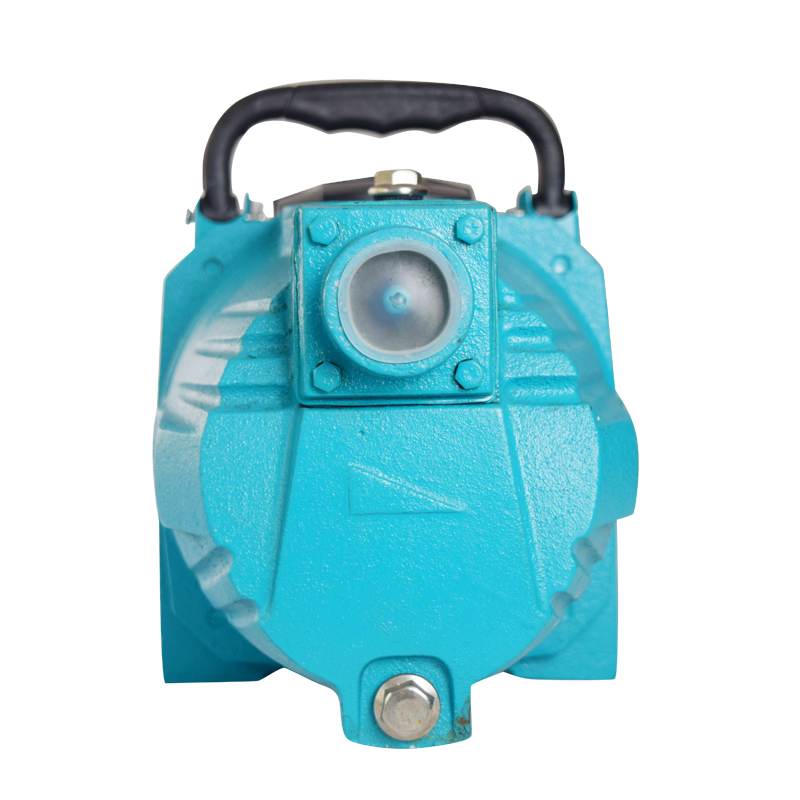
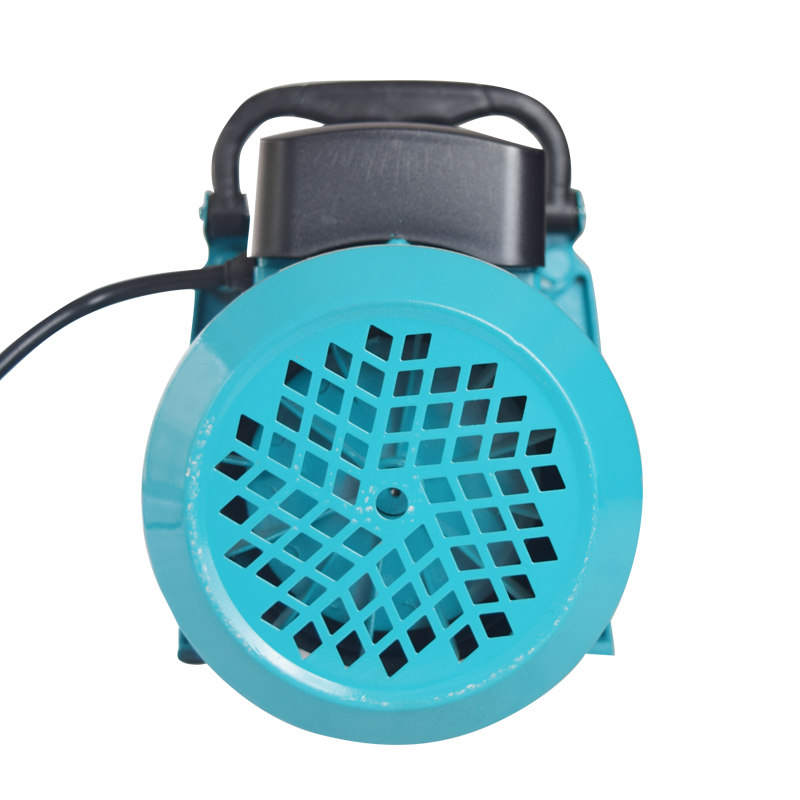
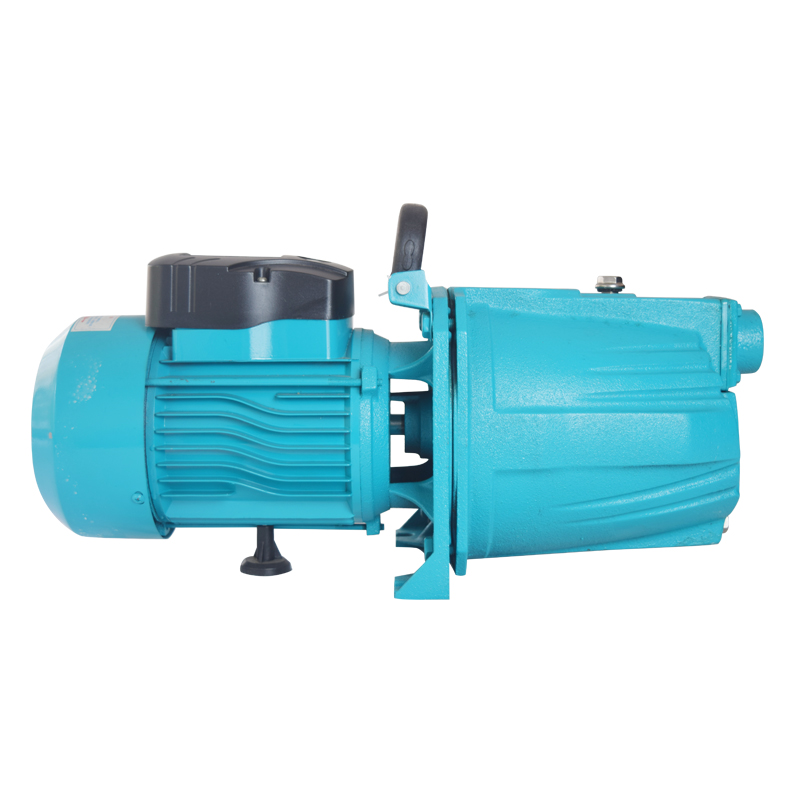
Septic ejector  pumps are  essential components for effective wastewater management in residential  and commercial settings, particularly when a  septic  system is installed below  the  level of the drain field. As  a  B2B buyer,  understanding  the  specifications,  benefits,  and potential  issues related to these pumps is crucial for making informed purchasing decisions. This article will guide you through the key factors to consider when  sourcing septic  ejector  pumps, the advantages of bulk purchasing, reliable supplier options, best practices, and common problems  with effective  solutions.
Benefits of Buying Septic Ejector Pumps in Bulk

Benefits of Buying Septic Ejector Pumps in Bulk

Purchasing septic ejector pumps  in  bulk  offers several advantages that can significantly impact cost and  efficiency:

Cost Savings: Bulk  purchasing typically leads to reduced unit prices, allowing you to secure  significant savings on large  orders. This  can be especially beneficial for contractors or  distributors looking to optimize their procurement budgets.

Consistent Quality: When sourcing pumps in bulk from a reputable manufacturer, you can expect consistent quality across all units. This consistency is crucial  for maintaining reliability in wastewater  management systems.

Streamlined Supply Chain: Buying in bulk can  simplify logistics, reducing lead  times and minimizing the complexities of  managing multiple  orders. This efficiency can enhance project timelines and improve overall  operations.

Better Negotiation Power: Bulk orders may provide leverage in negotiations, enabling you to discuss additional terms such as extended warranties, customized features, or favorable payment terms with the supplier.

Reduced Stockouts: Maintaining a larger  inventory of septic ejector pumps can prevent stockouts, ensuring  that you have the necessary equipment readily available for installations or repairs. For instance, if you're also considering options like Solar Pumping Systems, having a reliable supplier for both can streamline your operations.

By considering bulk purchases, businesses can  maximize their operational efficiency and maintain a reliable supply of essential components.
Where to Find Reliable Suppliers for Septic Ejector Pumps

Where to Find Reliable Suppliers for Septic Ejector Pumps

Finding a trustworthy supplier  for septic ejector pumps is critical.  Here are several avenues to explore:

Industry Directories: Online directories such as ThomasNet or IndustryNet can help you  locate manufacturers and suppliers specializing in septic systems and related components. These platforms often include reviews and  ratings that  can assist  in evaluating potential partners.

Trade  Shows  and Expos: Attending relevant industry trade shows allows you to meet suppliers, evaluate products firsthand, and establish personal  relationships.  Engaging directly with manufacturers can provide insights into their  capabilities and product offerings.

Referrals and Recommendations: Networking within your professional circles can  lead  to valuable recommendations. Colleagues or partners who have successfully sourced  septic ejector pumps may offer insights into reliable  suppliers.

Online Research: Conduct thorough research  online, exploring supplier websites for  product specifications, certifications, and customer testimonials.  A company's commitment to quality and customer service can often be gauged through their online presence.

Local Distributors: Additionally, local distributors may stock septic ejector pumps, providing the advantage of immediate availability and personalized service. Working with known local suppliers can foster long-term partnerships.

By actively exploring these options, you can identify  suppliers that align with your quality and reliability standards.

Best Practices

Best Practices

To ensure optimal performance and longevity of septic ejector  pumps, consider these best  practices:

Regular Maintenance: Scheduling  routine maintenance checks can help identify potential issues before they escalate. Regular inspections of the pump, float switches, and electrical  components can ensure smooth  operation.

Proper Installation: Engaging qualified  professionals for installation is critical. Improper installation can  lead to system failures, costly repairs, or premature pump wear.

Monitoring Performance: Keep an eye on the pump's  performance metrics, such as flow rate and noise levels. Any deviations from normal operation should be investigated promptly to avoid issues.

Educating Users: If the pumps are used in a residential setting, educating homeowners  about  proper usage and what  should not be flushed can prevent clogs  and enhance the pump's lifespan.

Documenting  Specifications: Keeping thorough records  of the pump specifications, maintenance history, and performance evaluations can  help in future procurement decisions  and troubleshooting.

By  adopting these best practices, users  can maximize the efficiency  and reliability of their septic ejector pumps.

Common Problems with Septic Ejector Pumps and Effective Solutions

Septic ejector pumps may encounter several common issues that can disrupt wastewater management. Understanding these problems and  their solutions can help mitigate downtime:

Clogs: One frequent issue with septic ejector pumps is clogging due to solid waste or debris. Regularly inspecting and cleaning  the  pump  inlet can help prevent clogs. Additionally, educating  users on proper disposal  practices can minimize this risk.

Electrical Failures: Electrical issues, such as faulty wiring or power surges, can lead to pump failure. Ensuring that electrical components are installed according to local codes and standards is essential.  Implementing  surge protection can also safeguard the pump from electrical damage.

Float  Switch  Problems: The float switch is critical for automatic operation. If  it  becomes  stuck or  malfunctions, it can cause the pump to run continuously or not at all. Regular testing of the float switch and replacing it as needed can help maintain proper functionality.

Overheating: Continuous operation without adequate breaks can lead to overheating and premature  pump failure. Selecting a pump with an appropriate duty cycle  for  the application can help alleviate this issue.

Corrosion: In environments with high levels  of corrosive substances, pumps may suffer from wear over time. Choosing pumps made from  corrosion-resistant materials can enhance durability and extend their lifespan. For example, incorporating parts from Industrial Water Pumps can improve the resilience of your systems.

By being aware of these common issues and implementing preventive measures, businesses can ensure the reliability of their septic ejector pumps and avoid costly repairs and replacements.

Key Specifications to Consider When Sourcing Septic Ejector Pumps

When evaluating septic ejector pumps,  several critical specifications influence performance  and suitability for specific applications.  These include:

Flow Rate: Measured in gallons per minute (GPM), the flow rate indicates how quickly the pump can move wastewater.  Selecting a pump with an adequate flow rate  for  your system's needs is essential to prevent backups and ensure efficient wastewater  removal.

Head  Height: This refers to the vertical distance the pump must push wastewater. Pumps have different head height ratings, and choosing one that matches your system's requirements is crucial for optimal performance.

Material Composition: The materials used in the construction of the pump, such as thermoplastic or cast iron,  affect durability and resistance to corrosion. For environments with  high levels of hydrogen sulfide or other corrosive substances, a pump  with robust materials is advisable.

Power Rating: Typically measured  in horsepower (HP), the  power rating determines the pump's efficiency and capability. Assessing the required power for your specific application can help prevent performance issues.

Customization Options: Depending  on the project, you may need specific features, such as float switches, alarms, or control  panels.  Working with a manufacturer that offers customization can ensure that the pump  meets your exact specifications.

Certifications: Look for pumps that meet international  standards and certifications, such as ISO or CE, which can provide assurance of quality and reliability.

Understanding these specifications helps you select a septic ejector pump that meets your  needs and complies with regulatory standards.

Get a Professional Sourcing Quote

Our pump experts will review your request and reply within 12 hours.
Choose Your Needs Optional Business Type
Customization Requirements Optional
Email
Name
Company Name & Website
Message
0/1000

Related product categories