EN
EN

Choosing the right water feature pump is crucial for ensuring optimal performance and longevity of your installations. This article will help B2B buyers, such as purchasing managers and product managers, navigate the complexities of selecting the right pump for their projects. We will cover essential specifications to consider, where to find reliable suppliers, guidance on installation in various settings, and explore diverse applications for water feature pumps in design.
Key Specifications to Consider When Sourcing Water Feature Pumps
When sourcing water feature pumps, several key specifications must be taken into account:
Flow Rate: Measured in gallons per minute (GPM) or liters per second (L/s), the flow rate indicates how much water the pump can move. This should align with the design specifications of your water feature to ensure proper water circulation.
Total Dynamic Head (TDH): This measures the total height the pump must lift water, factoring in both vertical lift and friction losses. Understanding TDH is crucial for selecting a pump that can efficiently operate within your system.
Power Source: Water feature pumps can be powered by electricity, solar energy, or gas. Depending on the project location and environmental considerations, choose a power source that aligns with operational needs and sustainability goals.
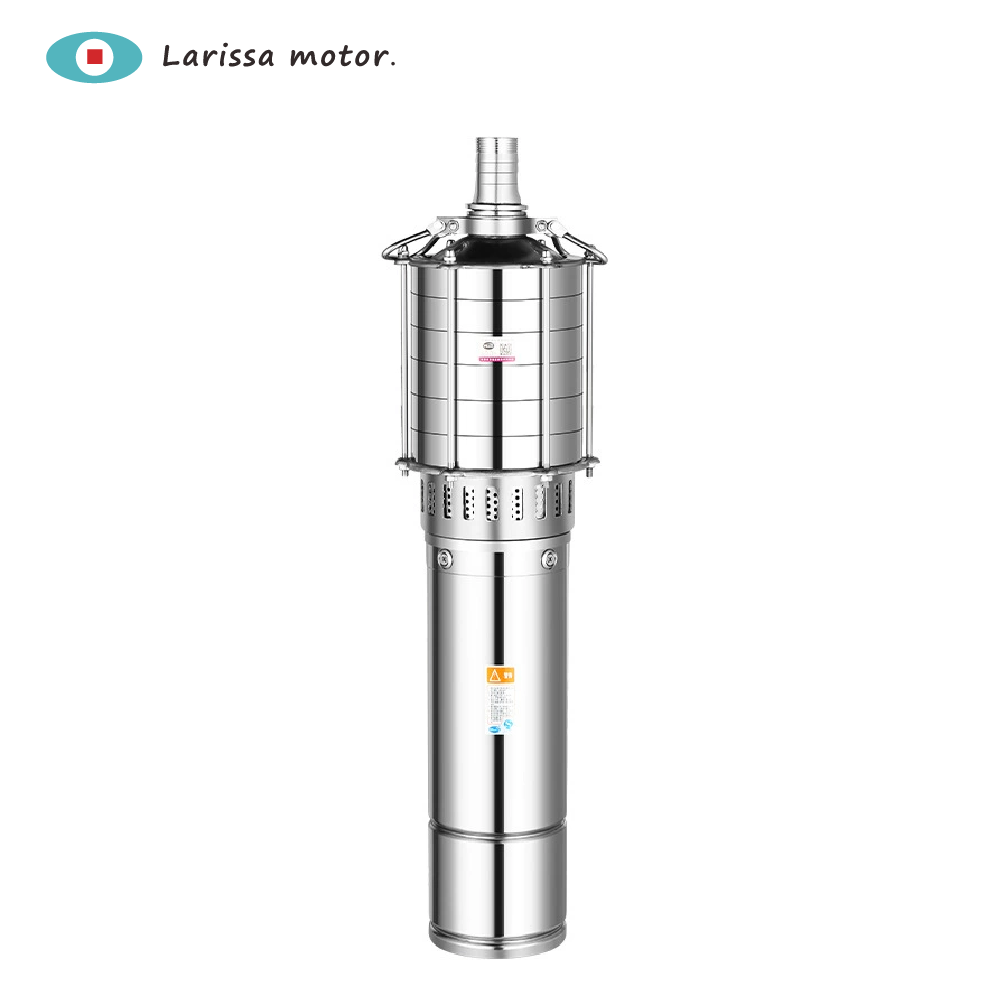
Material Composition: The materials used in the pump construction (e.g., stainless steel, thermoplastics) can influence durability and suitability for specific applications, particularly in harsh environments.
Noise Level: For certain installations, such as residential gardens or commercial spaces, the operational noise of the pump can be a significant consideration. Evaluating decibel ratings can help ensure a suitable choice.
Energy Efficiency: Energy-efficient pumps not only reduce operational costs but also minimize environmental impact. Look for pumps with high-efficiency ratings or those that comply with energy standards in your region.
Understanding these specifications will empower buyers to make informed decisions, ensuring the selected pump meets both performance and budgetary requirements.