EN
EN
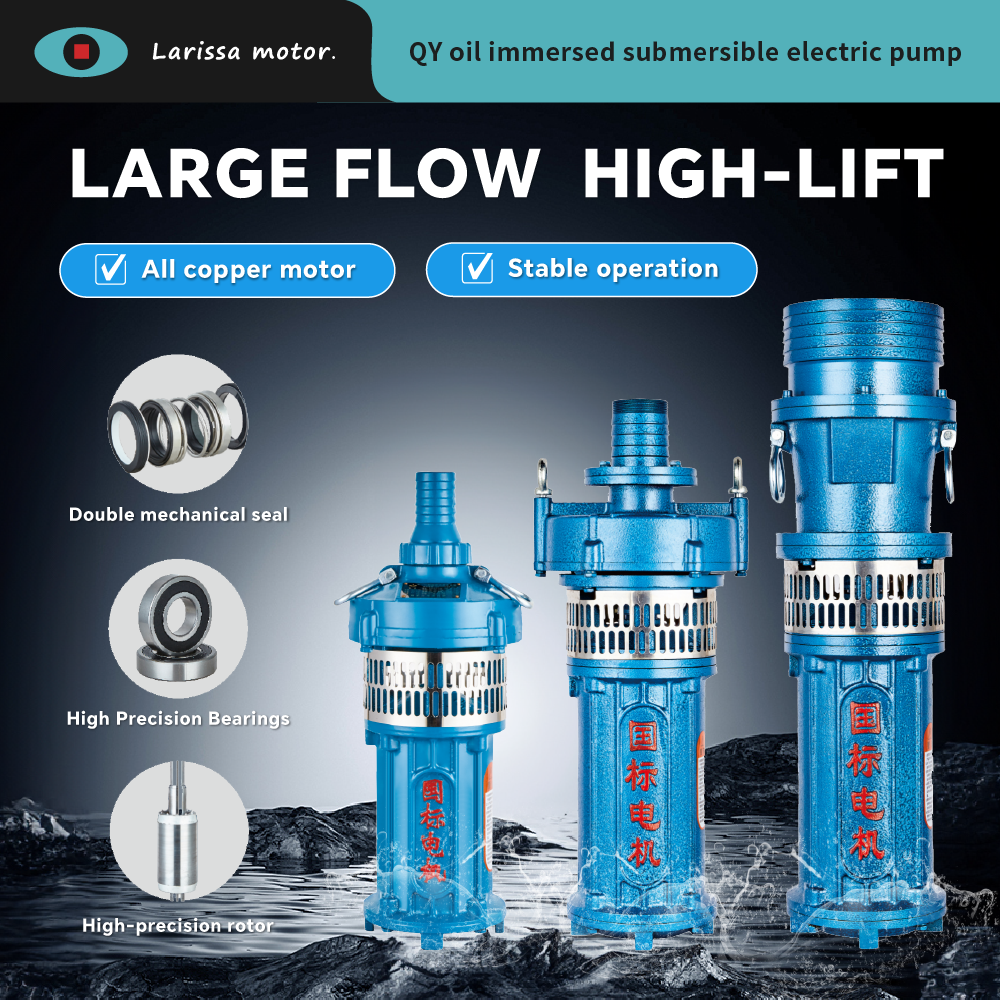
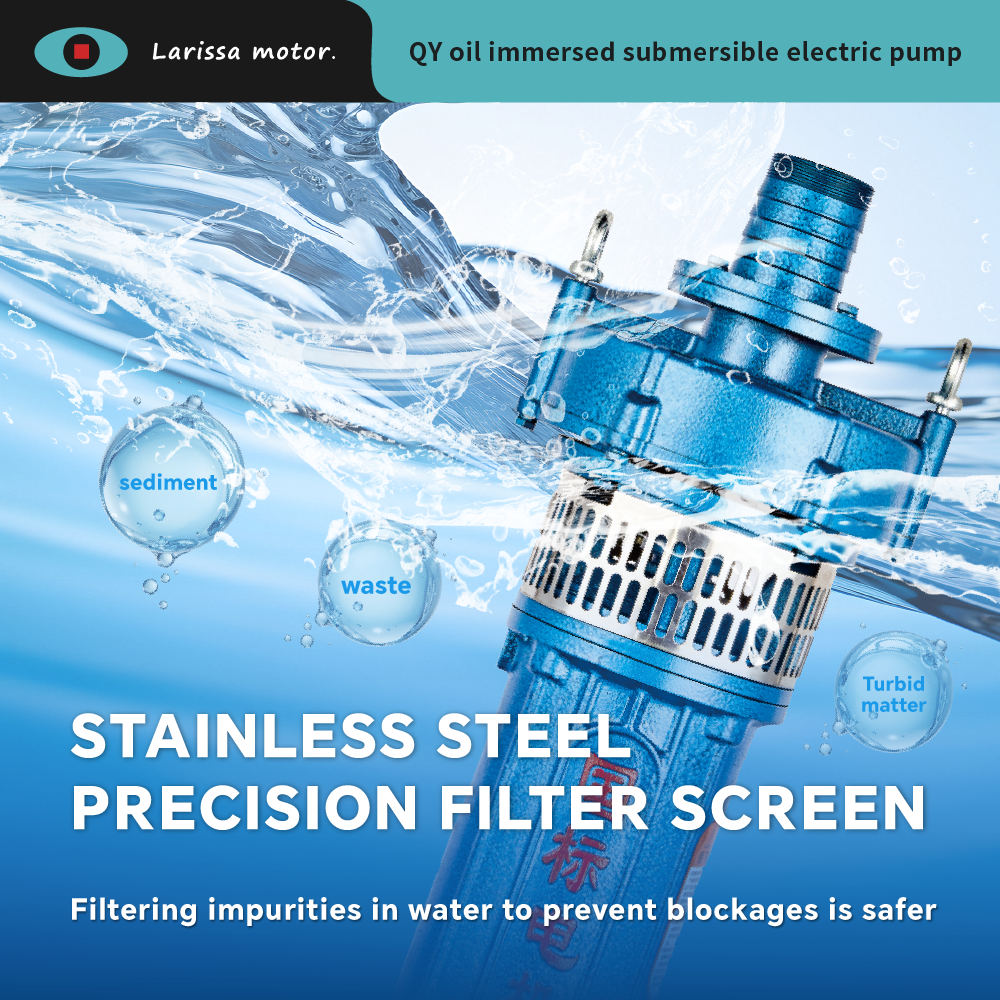
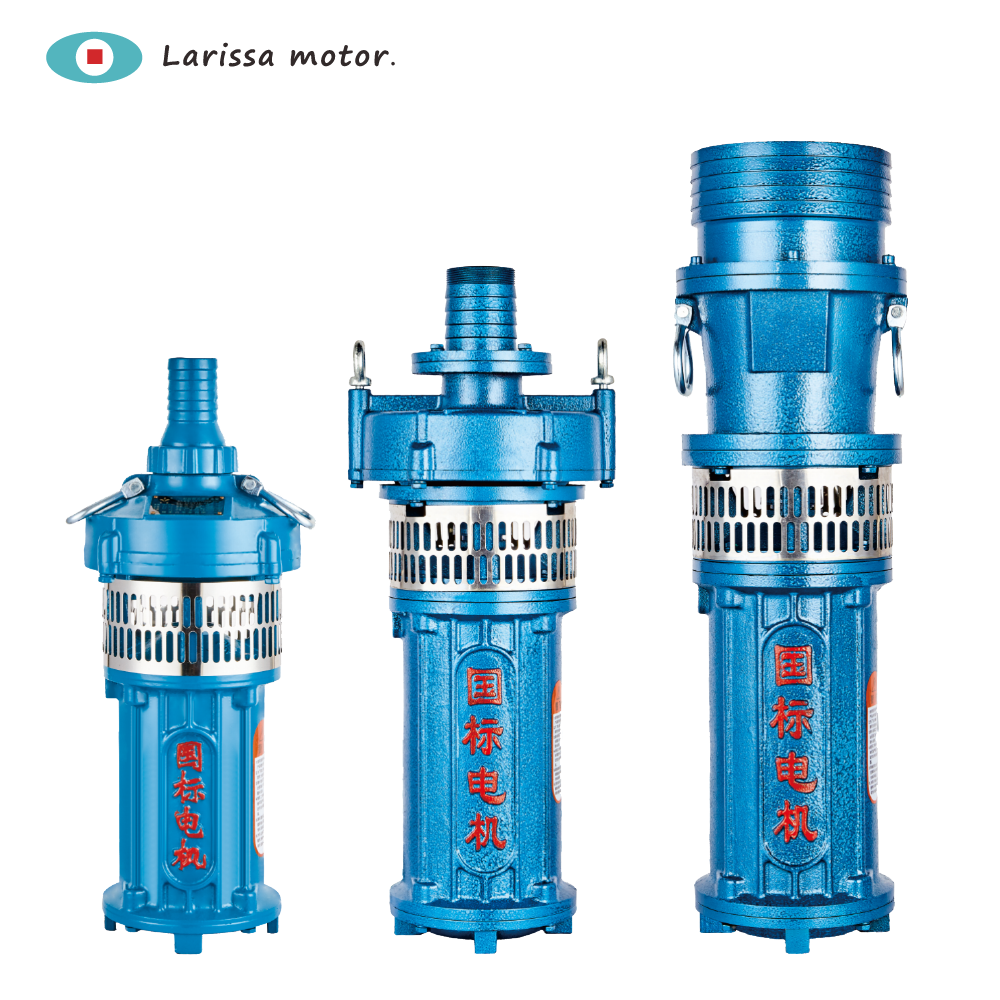
Sump pumps are essential devices used to remove excess water from basements, crawl spaces, and various industrial applications. For purchasing managers and engineers, selecting the right sump pump involves understanding specifications, performance, and application suitability. This article provides insights into key considerations when sourcing sump pumps and addresses common buyer concerns, ensuring you make an informed purchasing decision.
What Buyers Should Know
Before making a purchase, it’s essential that buyers understand the following aspects:
Customization Options: Many manufacturers offer customization capabilities, allowing buyers to specify features such as size, material, and performance parameters. This can be crucial for applications with unique requirements, such as high corrosive environments.
Quality Control Processes: Buyers should inquire about the manufacturer’s quality assurance procedures. Understanding how products are tested for performance and reliability ensures that the pumps meet industry standards and will function effectively in the field.
Certifications: Verify the certifications related to safety and performance that the pump holds, as these can indicate compliance with international standards. This is particularly important for pumps used in critical applications such as wastewater management.
Lead Times and Minimum Order Quantities (MOQ): Understanding the manufacturer’s lead times and MOQs is vital for project planning. For instance, if a project requires multiple units, knowing the MOQ can help in budgeting and scheduling.
Common Applications: Familiarity with typical applications of sump pumps can guide buyers in selecting the right product. These may include residential dewatering, industrial waste management, or agricultural drainage. Notably, Industrial & Mining sectors heavily rely on efficient sump pump solutions.
By addressing these considerations, buyers can minimize risks associated with procurement and ensure the selected sump pump aligns with their operational needs.