EN
EN
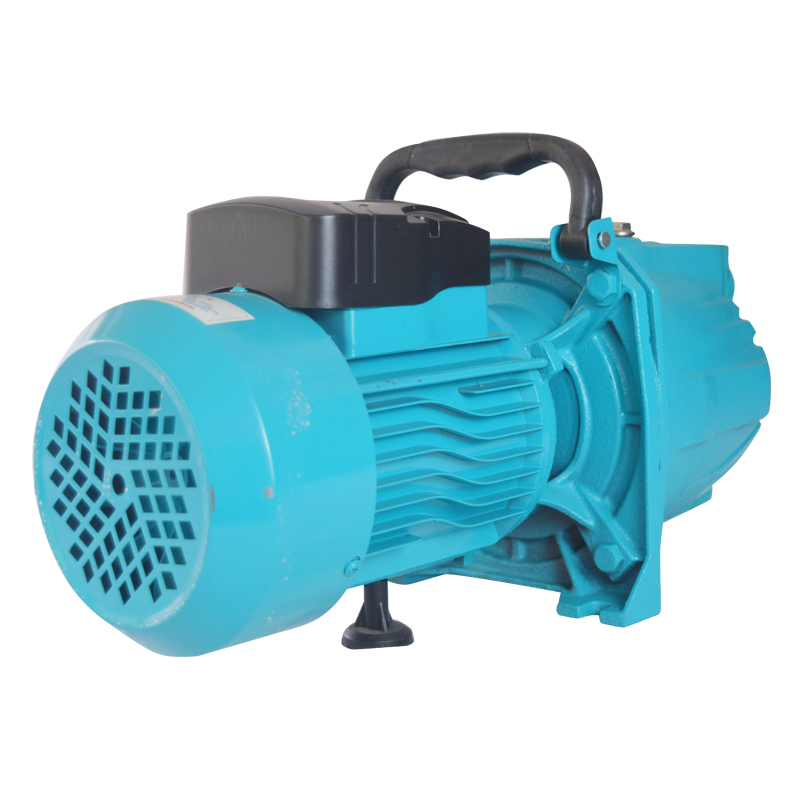
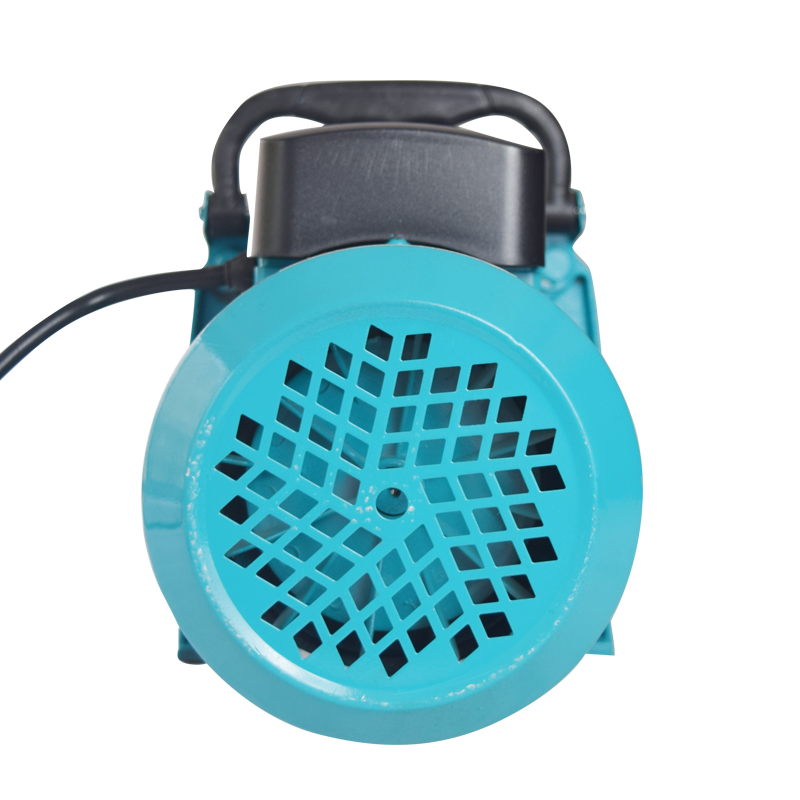
Waterjet pumps are critical components in industrial manufacturing, enabling precision cutting and shaping of various materials. For B2B buyers, sourcing quality waterjet pumps involves understanding technical specifications, evaluating supplier reliability, and considering project-specific requirements. This article aims to guide purchasing managers, engineers, and product managers through the key factors to consider when selecting waterjet pumps, ensuring they make informed decisions that align with their operational needs.
How to Evaluate the Specifications of Waterjet Pumps for Projects
Evaluating the specifications of waterjet pumps is crucial for ensuring they meet project requirements. Here are important specifications and why they matter:
Pressure Rating: This indicates the maximum pressure the pump can handle. For cutting applications, a higher pressure rating allows for more precise cuts and the ability to work with denser materials. Buyers should confirm the required pressure for their specific application to avoid equipment failures.
Flow Rate: Measured in gallons per minute (GPM), the flow rate represents how much water the pump can deliver in a given time. A higher flow rate can improve efficiency but may require more energy. Buyers need to balance flow rate with energy consumption based on their operational demands.
Motor Specifications: The type and power of the motor directly influence pump performance. An electric motor may be suitable for some applications, while a hydraulic motor might be necessary for higher power requirements. Understanding the motor type helps in selecting a compatible pump for existing systems.
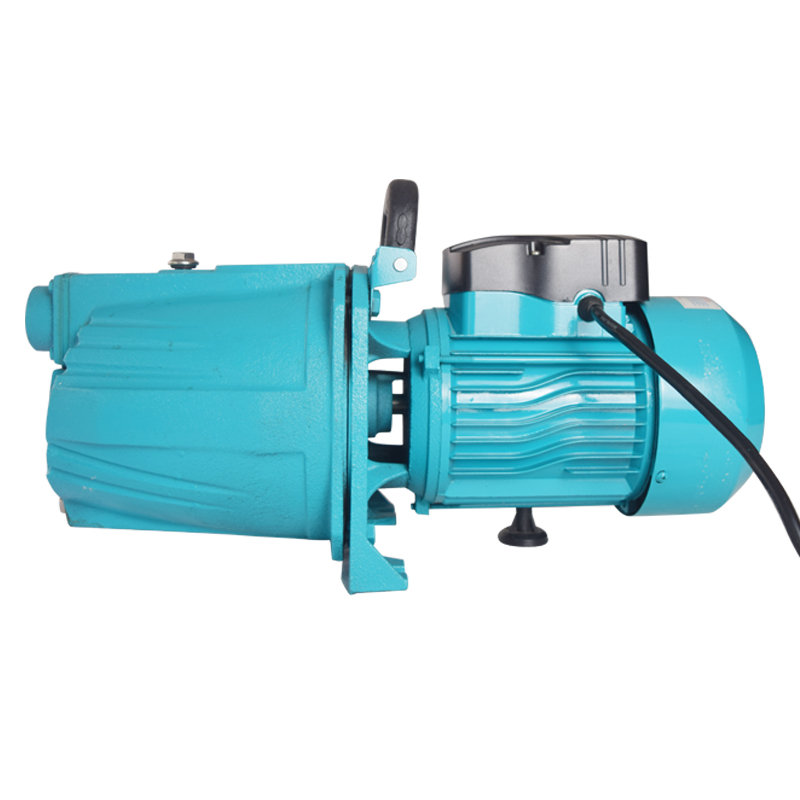
Pump Dimensions and Weight: The physical size and weight of the pump can impact installation and integration into existing equipment. Buyers should ensure that the pump fits within their operational layout and that necessary support structures are in place.