Key Specifications for Deep Well Submersible Pumps

Get a Professional Sourcing Quote

Our pump experts will review your request and reply within 12 hours.
Choose Your Needs Optional Business Type
Customization Requirements Optional
Email
Name
Company Name & Website
Message
0/1000

deep well submersible

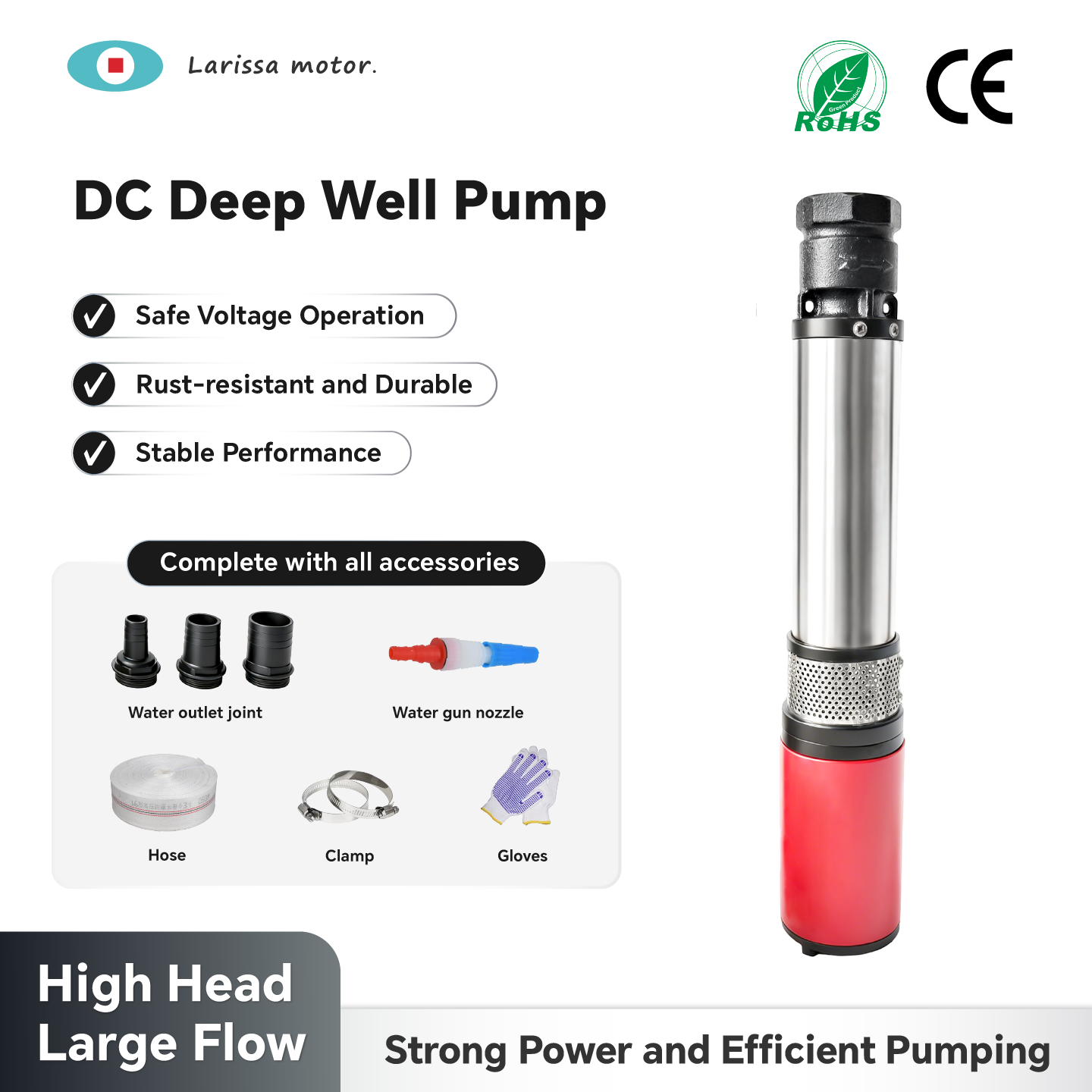
Deep  well  submersible pumps are specialized devices designed to operate submerged in water, enabling the extraction of groundwater  from deep wells.  For  purchasing  managers  and engineers,  understanding the intricacies  of these pumps is crucial. Key concerns often include product specifications,  quality assurance, and  suitable applications. This  article  provides insights  into  the  essential  aspects of  deep  well  submersible pumps, helping you make informed decisions when selecting the right solution for your needs. Additionally, exploring Solar Pumping Systems can provide a broader understanding of water extraction technologies.
How to Evaluate the Quality of Deep Well Submersible Pumps

How to Evaluate the Quality of Deep Well Submersible Pumps

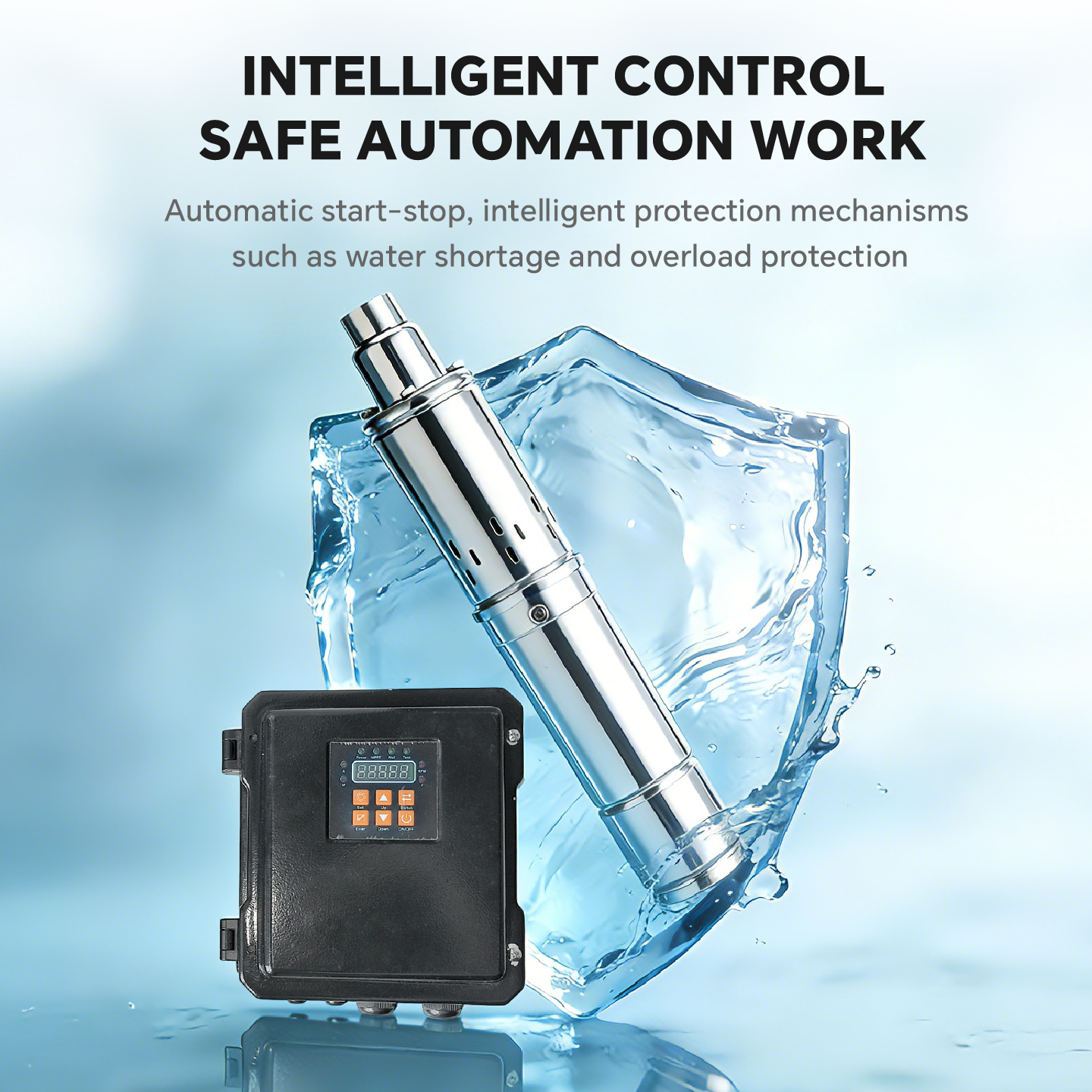
Quality evaluation of deep well  submersible pumps involves several key considerations:

Manufacturer Reputation:  Research the manufacturer’s history, focusing on their experience in producing electromechanical products. A company like Larissa  Motor, with  extensive experience since 1998, can  provide reassurance of quality and reliability.

Testing Procedures:  Inquire about the  manufacturer's quality control processes.  Pumps should undergo rigorous testing, including performance  under maximum load  conditions, to ensure they can handle the  demands  of real-world applications.

Customer Reviews  and Case Studies:  Look for testimonials or case studies  that  demonstrate the pump's performance in similar applications. Positive feedback from  other users can provide insights into the pump's reliability and efficiency. Additionally, examining Industrial & Mining applications can provide valuable context for performance expectations.

Warranty  and Support: A robust warranty indicates the manufacturer’s confidence in their product. Additionally, assess  the level of customer support  available should issues arise post-purchase.
Bulk Order Options for Deep Well Submersible Pumps Explained

Bulk Order Options for Deep Well Submersible Pumps Explained

When considering bulk purchases of deep well  submersible  pumps, several factors come into play:

Minimum Order Quantities (MOQ): Most manufacturers have  a minimum order quantity that  can affect pricing and lead times. Understanding  these requirements is essential when planning large-scale projects.

Pricing Structures: Bulk orders  typically qualify for discounts. However, it’s important to confirm how  pricing varies based on order size, material specifications,  and customization requirements.

Lead  Times: The production lead time  for bulk orders  can  differ significantly from single-unit purchases. Confirm with the manufacturer how long it will  take to fulfill your  order, especially if  you have tight project deadlines.

Customization Options: Many manufacturers, including  Larissa Motor, offer  customization capabilities. Discuss your specific needs, such as  modifications in design or performance specifications, to ensure  the pumps meet your application  requirements.

Installation Guidance for Efficient Deep Well Submersible Pumps

Installation Guidance for Efficient Deep Well Submersible Pumps

Proper installation is crucial for the optimal functioning of deep well  submersible pumps. Consider the following guidance:

Site Assessment: Before installation, conduct a  thorough assessment of the site to determine the depth and diameter of  the well, as well as water quality. This information will inform the selection of an appropriate pump model.

Electrical  Requirements: Ensure that your electrical systems are compatible with the pump's motor specifications.  Proper electrical setup is essential for  safe and  efficient operation.

Pump Placement: The pump should&nbsp; be placed&nbsp; at an appropriate depth within the well. It’s&nbsp; advisable to keep the pump at least 10 feet above&nbsp; the floor of the well to&nbsp; avoid drawing&nbsp; in sediment and debris.</p>&nbsp;

Testing Post-Installation: After installation, test the&nbsp; pump under operating conditions to confirm that it meets the expected performance metrics.&nbsp; Monitor for any unusual noises&nbsp; or vibrations that could&nbsp; indicate installation&nbsp; issues.

Applications of Deep Well Submersible Pumps in Various Industries

Deep&nbsp; well&nbsp; submersible pumps are&nbsp; versatile tools used across multiple industries. Key applications include:

Agriculture: These pumps are extensively used for irrigation purposes, providing reliable water&nbsp; supply for crops in remote&nbsp; areas.

Municipal&nbsp; Water Supply:&nbsp; Many municipalities rely on deep well&nbsp; submersible pumps to supply potable water from underground aquifers, ensuring consistent access to&nbsp; clean water for residents.

Industrial Applications: Industries often use these pumps&nbsp; for dewatering processes, cooling systems, and other applications requiring reliable&nbsp; water extraction. If you are interested in related products, check out Industrial Water Pumps.

Mining and Construction: In mining operations, deep well submersible pumps are crucial for&nbsp; groundwater management, while construction sites often utilize them&nbsp; to manage excess water during excavation.

Understanding&nbsp; these applications can help buyers&nbsp; identify&nbsp; the most&nbsp; suitable products&nbsp; for their specific industry&nbsp; needs and&nbsp; ensure that the pumps selected are capable of performing effectively in their intended environments.

Key Specifications for Reliable Deep Well Submersible Pumps

When evaluating deep well submersible&nbsp; pumps, several key specifications&nbsp; should be prioritized:

Motor Power and Efficiency: The motor's power rating determines the pump's ability to lift water from various depths. A higher power rating typically indicates better efficiency, but it's&nbsp; crucial to select a motor that meets the specific&nbsp; needs of your application without oversizing, which can lead to energy waste.

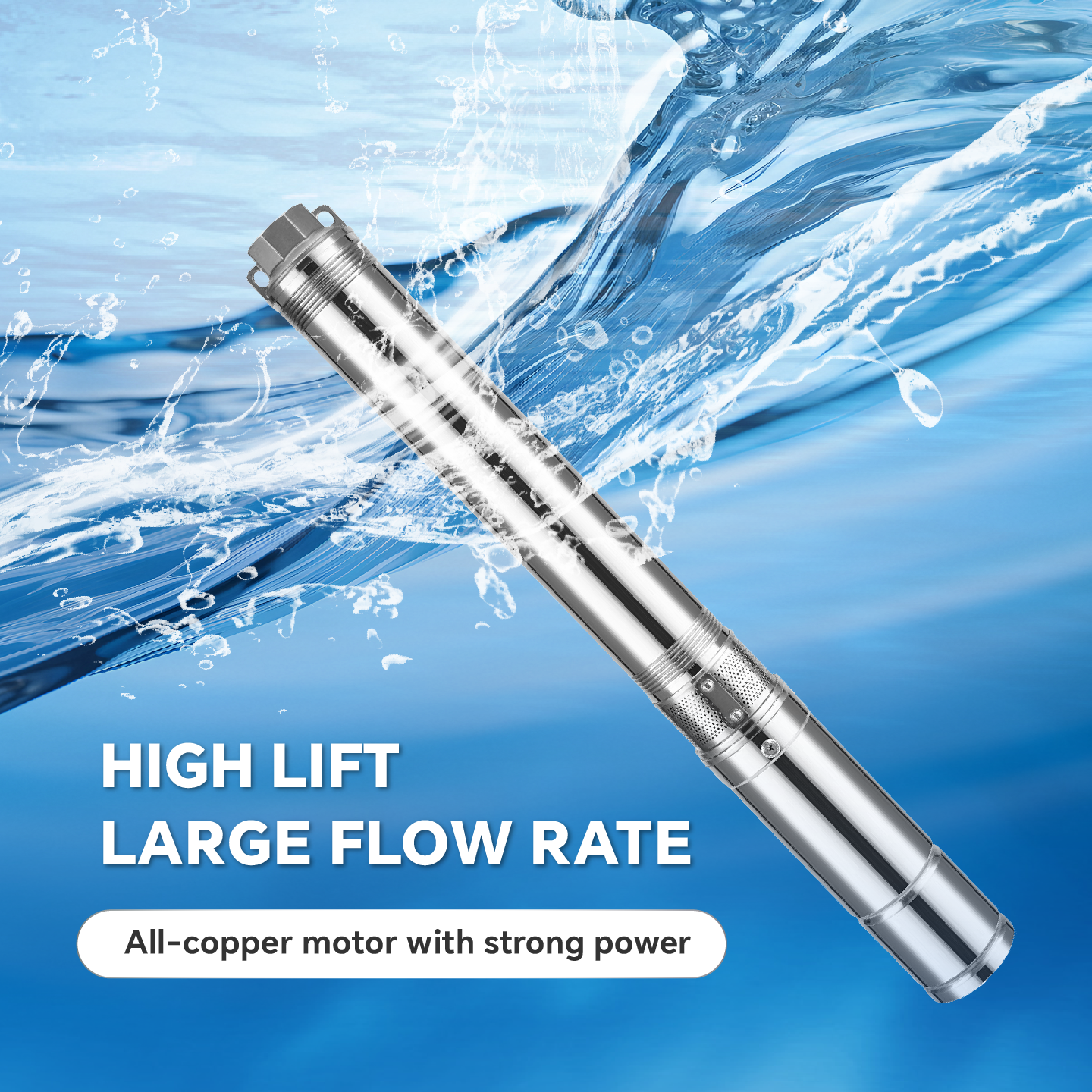
Pump Head and Flow Rate: The pump head is the height that the pump can raise water, while the flow&nbsp; rate indicates how&nbsp; much water the pump can deliver&nbsp; over a specific time. Both factors should align with your project's requirements to ensure optimal performance.

Material&nbsp; Construction: The materials used in the&nbsp; pump—such as stainless steel or&nbsp; thermoplastic—impact&nbsp; its durability and resistance to corrosion, especially in harsh environments. Selecting the right materials based on the anticipated water quality and chemical&nbsp; exposure is&nbsp; vital for long-term performance.

Sealing Mechanisms: Effective sealing is&nbsp; critical&nbsp; to&nbsp; protect the motor from water ingress. Look for pumps with advanced sealing technologies that enhance longevity and&nbsp; reduce maintenance needs.

Certifications:&nbsp; Ensure that the pump meets international standards, such as ISO or CE&nbsp; certifications, which indicate compliance with safety and quality&nbsp; benchmarks.

Get a Professional Sourcing Quote

Our pump experts will review your request and reply within 12 hours.
Choose Your Needs Optional Business Type
Customization Requirements Optional
Email
Name
Company Name & Website
Message
0/1000

Related product categories