How to Choose the Right Electric Pump for Your Needs

Get a Professional Sourcing Quote

Our pump experts will review your request and reply within 12 hours.
Choose Your Needs Optional Business Type
Customization Requirements Optional
Email
Name
Company Name & Website
Message
0/1000

electric pump

Electric  pumps are essential  components in various industrial and commercial applications, providing reliable fluid transfer for  processes ranging from  manufacturing  to  agriculture.  When selecting  an electric  pump,  B2B buyers often face concerns about performance, compatibility,  and supplier  reliability. This article  aims to  clarify  how to  choose the right electric pump for your project needs, find  trustworthy suppliers,  and address common  issues  that may arise during operation.
Finding Reliable Suppliers

Finding Reliable Suppliers

When sourcing  electric  pumps, reliability is paramount.  Here  are steps  to identify trustworthy suppliers:

Research: Investigate potential suppliers’ backgrounds, including their manufacturing capabilities and  history in the industry. Suppliers like Larissa Motor,  with  over two decades of experience, are  often more reliable due  to their established processes and customer  relationships.

Certifications: Check for  international  quality standards and certifications that the manufacturer adheres to, which ensure the pumps meet safety and performance benchmarks.

Customer  Reviews and References: Seek  feedback from  other  companies that have purchased from the supplier. Positive testimonials or case studies can provide insights into the supplier’s reliability and product quality.

Technical Support: A good supplier should offer robust technical support, including assistance  with installation, maintenance, and troubleshooting.

Sample Approval Process: Request samples to evaluate the product's performance before placing larger  orders. This step is crucial to ensuring that the pump meets your specific needs.
A Comprehensive Guide

A Comprehensive Guide

Understanding the various types of electric pumps can help narrow down your choices. Here are the main categories:

Centrifugal Pumps: Best for low-viscosity fluids, these pumps use rotational energy to  move fluids through  the system.  They are ideal  for  applications requiring  high  flow rates.

Positive Displacement Pumps: These pumps are suited for fluids with higher viscosities and provide a consistent flow rate regardless of pressure changes.  They are commonly used in chemical processing.

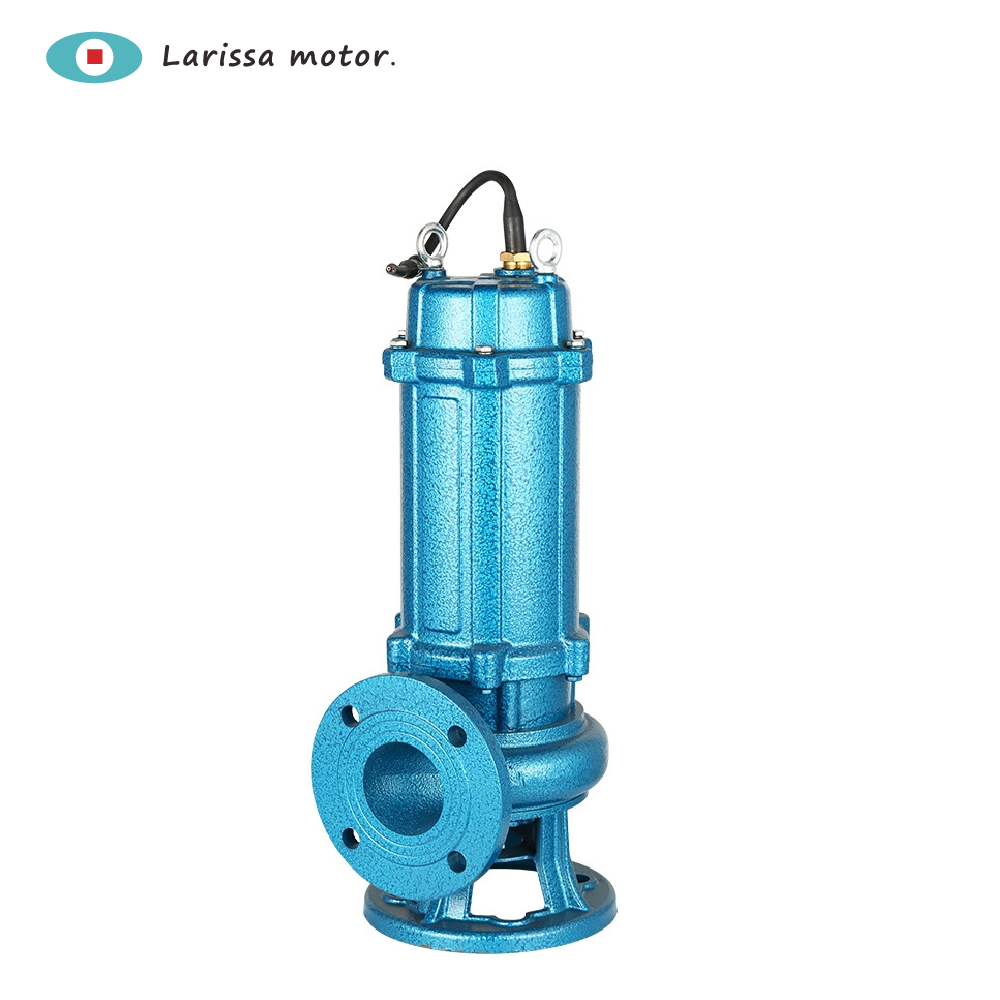
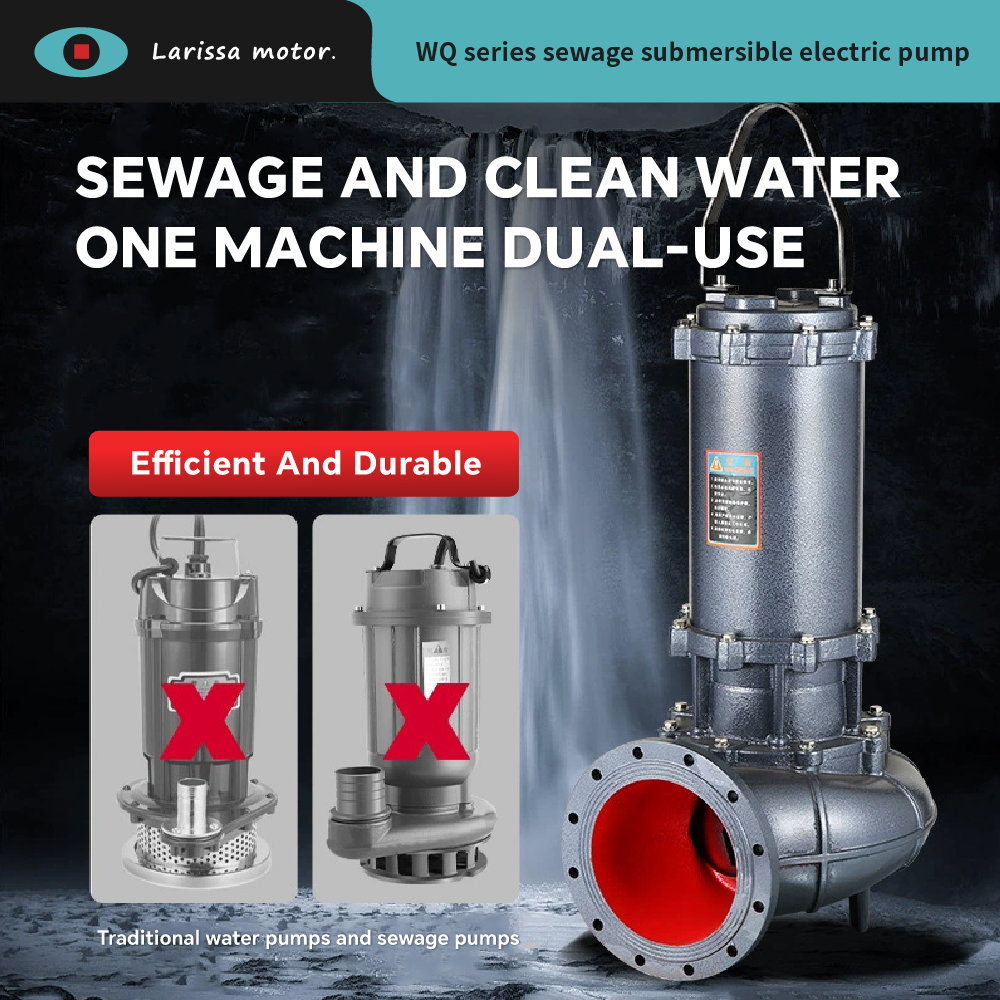
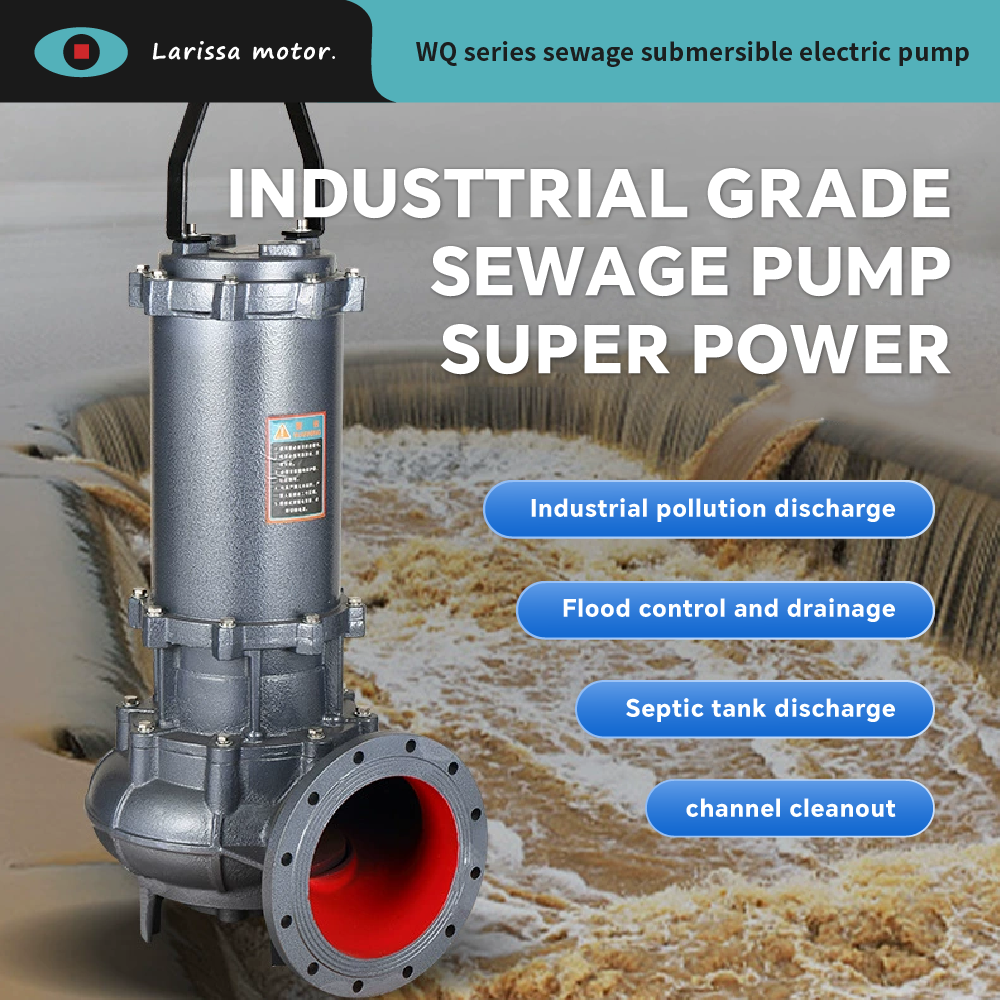
Submersible Pumps: Designed to operate underwater, these  pumps  are often used in drainage and sewage applications. They  are sealed for protection against fluid ingress.

Gear Pumps: Typically used  for transferring viscous fluids, gear pumps provide a  steady flow and are commonly found in oil and food processing industries.

Diaphragm Pumps: These  pumps are excellent for  handling corrosive substances and provide a leak-free operation, making them suitable for chemical applications.

Understanding the strengths and weaknesses of each type will help you  select the most appropriate  pump for your needs.

What to Look For

What to Look For

When evaluating electric  pumps, pay  attention  to the following  specifications:

Performance Curves: These  graphs illustrate how the  pump behaves under various conditions. They provide insight into how flow rate and pressure will change with different  system configurations.

Energy Efficiency: Look  for pumps designed  to minimize energy consumption,  which can lead to significant cost savings over time.

Noise Levels: In applications where noise is a concern, consider pumps  with low operational noise ratings.

Maintenance  Requirements: Assess the  ease of maintenance. Some pumps require regular servicing or have specific maintenance protocols that can impact operational efficiency.

Warranty and Support: A robust warranty indicates  the manufacturer's confidence in  their  product. Additionally,  reliable customer service can facilitate  quick resolutions to any issues that  arise.

Common Problems with Electric Pumps and Effective Solutions

Despite their reliability, electric pumps can encounter several common issues:

Cavitation: This occurs when vapor bubbles form in the pump and collapse, potentially causing damage. To prevent cavitation, ensure  the pump is installed at the correct elevation relative  to the fluid source and maintain  sufficient  inlet pressure.

Overheating: This can stem from inadequate cooling or excessive load on the pump. Regular monitoring of operating temperatures can  help identify overheating issues early.

Leakage: A common problem with seals, leaks can result from wear  and tear or improper installation. Regular inspection and  replacement of worn seals are essential for maintaining pump integrity.

Vibration: Excessive vibration can indicate misalignment or imbalance within the pump. Conduct routine maintenance checks to identify and remedy these issues before they escalate.

Power Issues: Electrical surges or insufficient power supply  can disrupt  pump operations. Ensuring your electrical system is compatible with  the pump’s requirements is crucial.

By recognizing these issues  early and implementing appropriate maintenance  strategies, you can enhance the longevity and performance of your electric pumps.

Selecting the right electric pump involves careful  consideration of  your project  requirements, supplier reliability, and ongoing maintenance needs. With the right  knowledge  and a trusted manufacturer like Larissa  Motor, you can ensure optimal performance and reliability  for your applications.

How to Choose the Right Electric Pump for Your Project Needs

Selecting the right electric pump begins with understanding your specific project requirements. Key factors to consider include:

Application Type: Identify the  fluid being pumped—water, chemicals, or slurry—since  different pumps are designed for different substances. For example, if you are working in agriculture, you might consider Agricultural Water Pumps for optimal efficiency.

Flow Rate and Pressure: Determine the required flow rate (usually measured  in gallons per minute or liters per second) and the pressure needed to ensure efficient operation. These specifications  are  crucial  as they directly impact the pump's performance.

Material Compatibility: The pump's  materials must withstand  the characteristics of the fluid, including temperature,  viscosity, and any corrosive properties. For instance, stainless steel may be suitable for many  applications, while specialized plastics might be  necessary for aggressive chemicals.

Power Source: Electric pumps are typically available in single-phase and three-phase options. The choice will depend on the available electrical infrastructure at your site and  the  power requirements of the pump.

Customization Needs: If your application has unique requirements, consider a manufacturer that offers customization options. This could  include  specific  dimensions,  material choices, or performance adjustments to fit your specific application.

Collaborating with a knowledgeable  supplier can help you navigate  these considerations  effectively. Look for suppliers who provide Water Pump Accessories to enhance your pump's capabilities.

Get a Professional Sourcing Quote

Our pump experts will review your request and reply within 12 hours.
Choose Your Needs Optional Business Type
Customization Requirements Optional
Email
Name
Company Name & Website
Message
0/1000

Related product categories