Reliable Submersible Water Pumps from Larissa

Get a Professional Sourcing Quote

Our pump experts will review your request and reply within 12 hours.
Choose Your Needs Optional Business Type
Customization Requirements Optional
Email
Name
Company Name & Website
Message
0/1000

submersible water pump

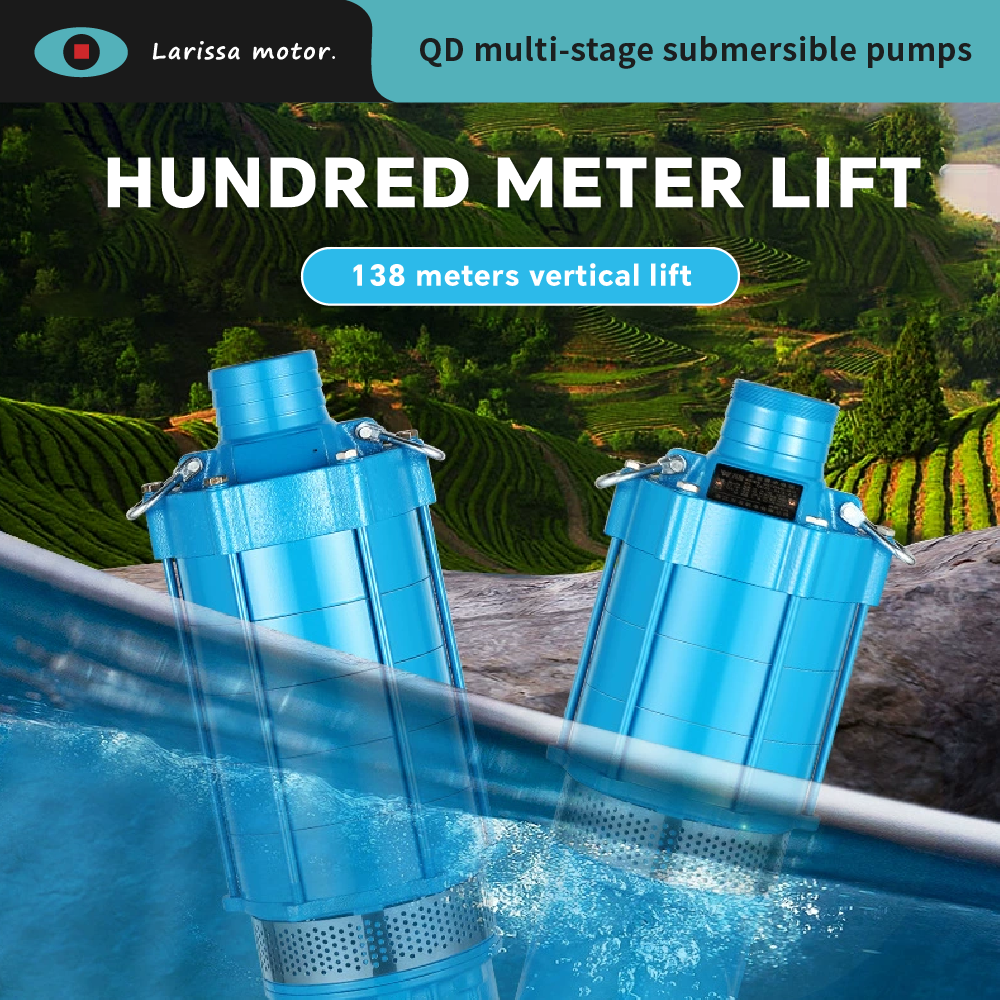
Submersible water  pumps are essential devices used to move water from one place  to  another,  typically from  underground sources  to the surface. They are widely utilized  in various applications, including agriculture, construction, and municipal  water supply. When  purchasing  submersible water pumps, B2B buyers often  have concerns regarding performance reliability,  customization options, and supplier  credibility.  This article addresses these concerns by providing insights into quality  control  measures, sourcing trusted  suppliers, common issues, cost  factors, and  diverse  applications. For example, submersible pumps are commonly used in Agricultural Water Pumps to optimize water usage.
Where to Find Trusted Suppliers for Submersible Water Pumps

Where to Find Trusted Suppliers for Submersible Water Pumps

Finding a reliable supplier for submersible water pumps involves evaluating several  factors. Start by  researching manufacturers with a  track record of producing high-quality products. Consider the  following tips:

Industry Certifications: Look  for suppliers with relevant industry certifications that demonstrate compliance with international standards. These can include ISO certifications, which  indicate adherence to quality management systems. Client  Testimonials and Case Studies: Seek feedback from existing clients or case studies that highlight the  supplier’s experience in delivering pumps for similar  applications. This can provide insight into their reliability  and customer  service. Customization Capabilities: A reputable supplier should offer customization options tailored to  specific project requirements. This flexibility can be crucial for unique  applications where standard models may not suffice.

By carefully  evaluating these criteria, buyers can  ensure they are partnering  with a reputable supplier  for  their submersible  water pump needs.
 
Common Problems with Submersible Pumps and Their Solutions

Common Problems with Submersible Pumps and Their Solutions

Despite their robust design,  submersible water pumps can face  several common issues. Understanding these problems  and their solutions is vital for effective maintenance:

Overheating: This can occur if the  pump operates in  a dry environment  or if there is a blockage  in the intake.  Regular monitoring of the pump’s operational parameters and  ensuring adequate cooling can mitigate this risk.  Cavitation: This phenomenon  happens when the  pressure in the pump drops below the vapor pressure of the liquid, leading to  damage  over time. To prevent cavitation, ensure that the  pump is  sized correctly for the application and that  it operates within the recommended flow rate. Electrical Failures: Issues  such as short circuits or insulation failures can lead to pump failure. Regular electrical inspections and using quality electrical  components can help minimize  these risks.

By proactively addressing these common problems, B2B buyers can extend the operational lifespan of their submersible water pumps.

Cost Factors to Consider When Purchasing Submersible Pumps Wholesale

Cost Factors to Consider When Purchasing Submersible Pumps Wholesale

When purchasing  submersible  pumps in  bulk, several cost factors come into play. Understanding these factors can help  buyers make informed  purchasing decisions:

Initial Cost vs. Total Cost  of Ownership:  While the initial purchase price is important, consider the total cost of ownership, which includes maintenance, energy consumption, and replacement parts over the pump's lifecycle.  A slightly higher initial price may translate to  lower operational  costs in the  long run. Customization Costs:  Customization can  add to the upfront cost  but may  be necessary  for specific applications.  Discuss customization needs with the supplier to understand how these will impact  the overall pricing. Shipping  and Handling Fees: Factor in the costs related to shipping and handling,  especially for international orders. Understanding the logistics can help avoid unexpected expenses.

By carefully evaluating these cost factors, buyers can optimize their purchasing strategy for submersible water pumps.

Applications of Submersible Water Pumps in Various Industries

Submersible water pumps are versatile and  find applications  across numerous  industries.  Here are some key sectors where they are commonly used:

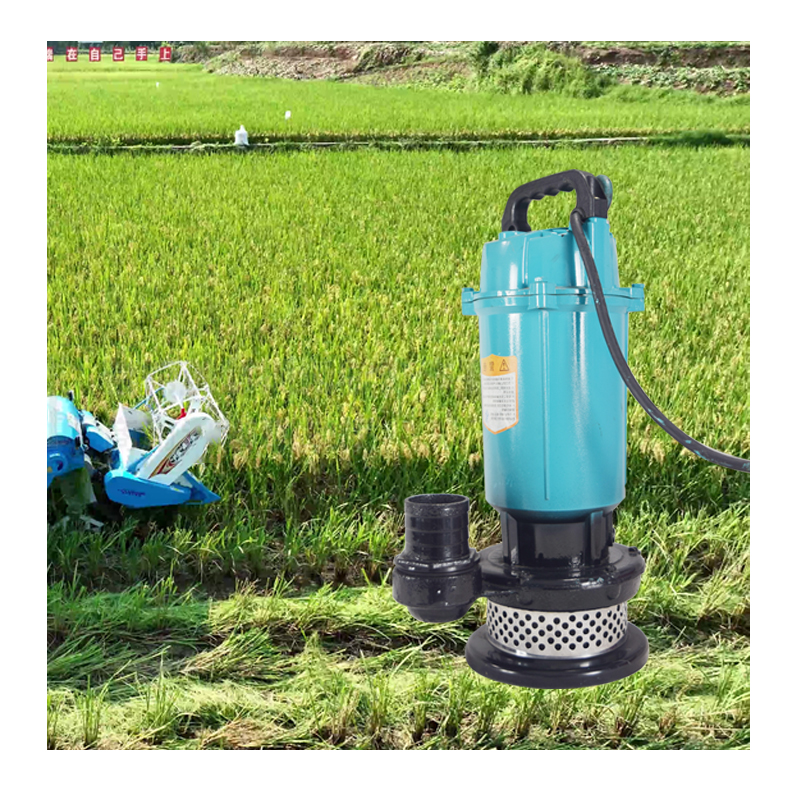
Agriculture:  In irrigation systems, submersible pumps are used to draw water from wells and  distribute  it across fields.  Their efficiency helps farmers optimize water usage, which is critical in  regions facing water scarcity. Construction: During construction projects,  these pumps manage groundwater levels to keep work sites dry. They are essential  for dewatering  applications,  ensuring safe and efficient operations. Municipal Water Supply: Submersible pumps  are integral to municipal water systems, providing a reliable source  of water for residential and commercial use. They  are often  used in water  treatment plants and distribution networks.

Understanding these applications helps buyers identify the most suitable pump for their specific needs and maximize the benefits of their investment. Additionally, Construction & Drainage Pumps play a critical role in managing water during such projects.

By addressing the concerns of B2B buyers regarding submersible water pumps, this article provides a comprehensive overview of quality control measures, supplier sourcing, common  issues, cost considerations, and industry applications, aiding in informed  purchasing decisions.

Quality Control Measures for Reliable Submersible Water Pumps

Quality control is  paramount in ensuring that submersible water  pumps perform reliably under various  conditions. Manufacturers like Larissa Motor employ rigorous testing and quality assurance protocols throughout the  production process. This  includes:

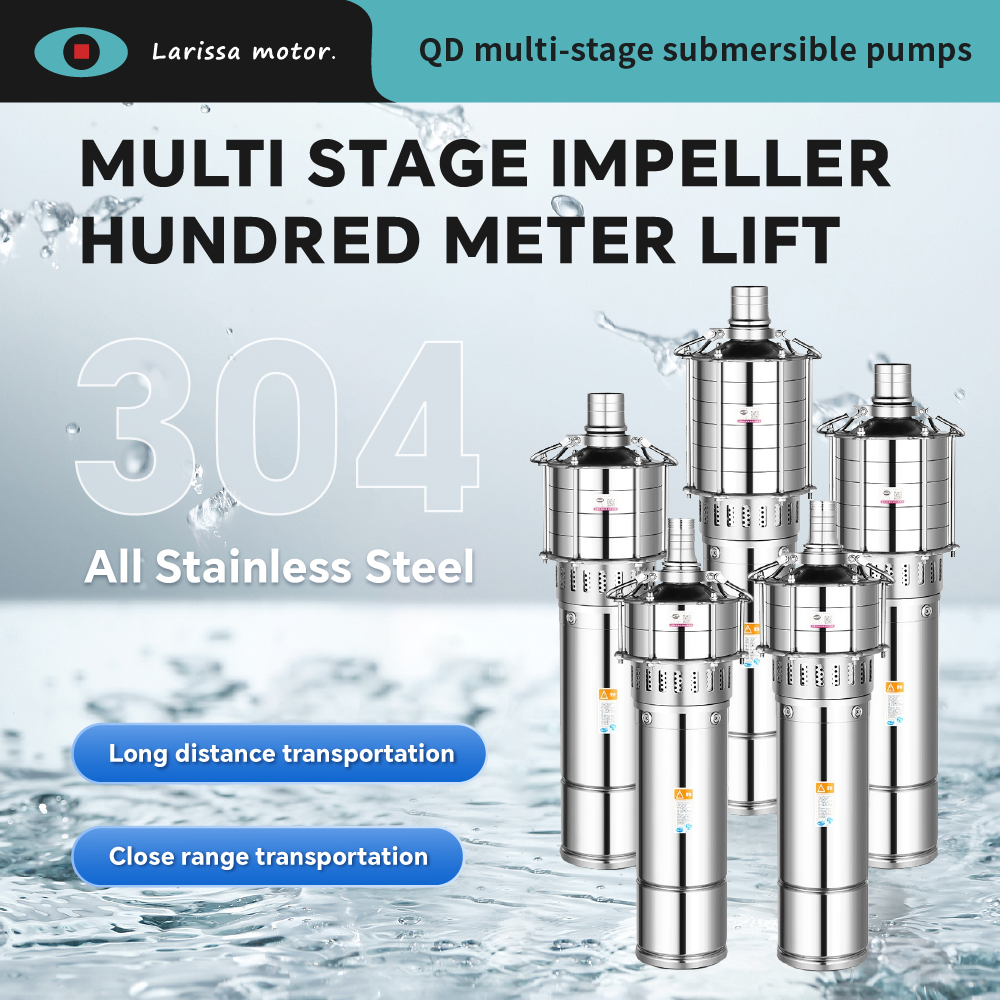
Materials Inspection: The selection of  high-grade materials, such as corrosion-resistant  alloys and durable plastics, is  critical. These materials not only  enhance the pump's longevity but  also ensure efficiency  in challenging environments. Performance Testing:  Each pump undergoes a series of performance  tests, evaluating factors such as flow rate, pressure, and energy consumption. This helps confirm that the pumps meet international standards for performance and safety. Final Assembly Checks: Before  shipping, final inspections are  conducted to ensure  that all components are correctly assembled and that the pumps function as intended. This step is crucial to identify any potential issues that could arise during operation.

By implementing  these quality control measures,  manufacturers can assure  buyers that the pumps will operate reliably in their  intended applications. For those looking into specific types of pumps, Submersible Pumps are an option worth considering.

Get a Professional Sourcing Quote

Our pump experts will review your request and reply within 12 hours.
Choose Your Needs Optional Business Type
Customization Requirements Optional
Email
Name
Company Name & Website
Message
0/1000

Related product categories