Key Specifications for Solar Submersibles

Get a Professional Sourcing Quote

Our pump experts will review your request and reply within 12 hours.
Choose Your Needs Optional Business Type
Customization Requirements Optional
Email
Name
Company Name & Website
Message
0/1000

solar submersible

Solar  submersibles are innovative electromechanical  devices designed to operate  underwater, primarily  powered by  solar energy. These systems are increasingly  popular  among B2B buyers, such as  purchasing managers,  engineers, and product managers, who are  concerned about  efficiency, sustainability, and reliability  in their  operations. This article will provide essential insights into  sourcing solar submersibles,  including key specifications to evaluate,  installation  guidance, common  problems  and solutions, cost factors, and application scenarios.
 
Installation Guidance for Optimal Performance of Solar Submersibles

Installation Guidance for Optimal Performance of Solar Submersibles

Proper installation of solar submersibles is essential for achieving optimal performance and longevity. Here  are some key considerations:

Site Assessment: Before installation, conduct  a thorough site assessment to determine the best location for  the solar  submersible. Take into account factors such as sunlight exposure, water depth, and  environmental conditions.

Mounting  Options: Solar panels should be mounted at an angle that maximizes sun exposure. Adjustable mounts allow for changes based on seasonal variations in sunlight.

Electrical  Connections: Ensure that all electrical connections are waterproof and  secure to prevent short circuits. Use appropriate connectors  that  are rated for underwater use.

Testing: After installation, perform initial testing to verify that the system operates as  intended.  Check  flow rates and ensure that  the solar panels generate sufficient power under actual operating  conditions.

Regular Maintenance: Implement a  maintenance schedule to inspect the  solar panels,  connections, and overall system performance. Regular cleaning of the solar panels will  help maintain efficiency.
Common Problems with Solar Submersibles and Effective Solutions

Common Problems with Solar Submersibles and Effective Solutions

Despite their advantages,  solar submersibles can encounter several common issues. Here are some challenges and their solutions:

Insufficient Power Generation: If the solar panels are not  generating enough power, check for obstructions  such as dirt or debris. Regular cleaning  can  enhance performance. Additionally, consider upgrading to higher-efficiency  solar panels if needed.

Corrosion: Over time, even corrosion-resistant materials can degrade in harsh environments. Regular inspections  and maintenance can help identify early signs of corrosion, allowing for timely repairs or replacements.

Flow Rate Variability: Inconsistent flow rates can be a sign of a  clog  or malfunction  within the system. Regular cleaning and maintenance checks  can help prevent this issue. If  clogs persist, consider reviewing the intake screen  designs for improvements.

Electrical  Failures: If the  system is not powering  on, verify all electrical connections and ensure that the solar  panels  are receiving adequate sunlight. Replace any faulty components as needed.

Depth Limitations: If the submersible is not performing well at the required depth, ensure that it is rated for  that depth. If necessary, consult with the manufacturer for recommendations on  suitable models.

Understanding the Cost Factors of Solar Submersible Purchases

Understanding the Cost Factors of Solar Submersible Purchases

Cost considerations are  critical for  B2B buyers evaluating solar submersibles. Several factors can influence the total cost:

Initial  Purchase  Price: This includes the base cost  of the solar submersible,  which varies based  on specifications such as power output, material quality, and  brand reputation.

Installation Costs: Factor in expenses related  to site preparation and installation labor. Complex installations may require specialized technicians, increasing  overall costs.  For example, when considering installations for  the DC CPM Centrifugal Water Pump for Solar Irrigation & Agricultural Water Transfer, it’s important to consult with experts.


Maintenance and Operational Costs: Regular maintenance is essential for long-term  performance. Consider the costs associated with routine checks, potential repairs, and replacement parts.


Customization: Custom features such as specific material  requirements or tailored designs can significantly impact pricing. Discuss customization options with the manufacturer to understand associated costs.

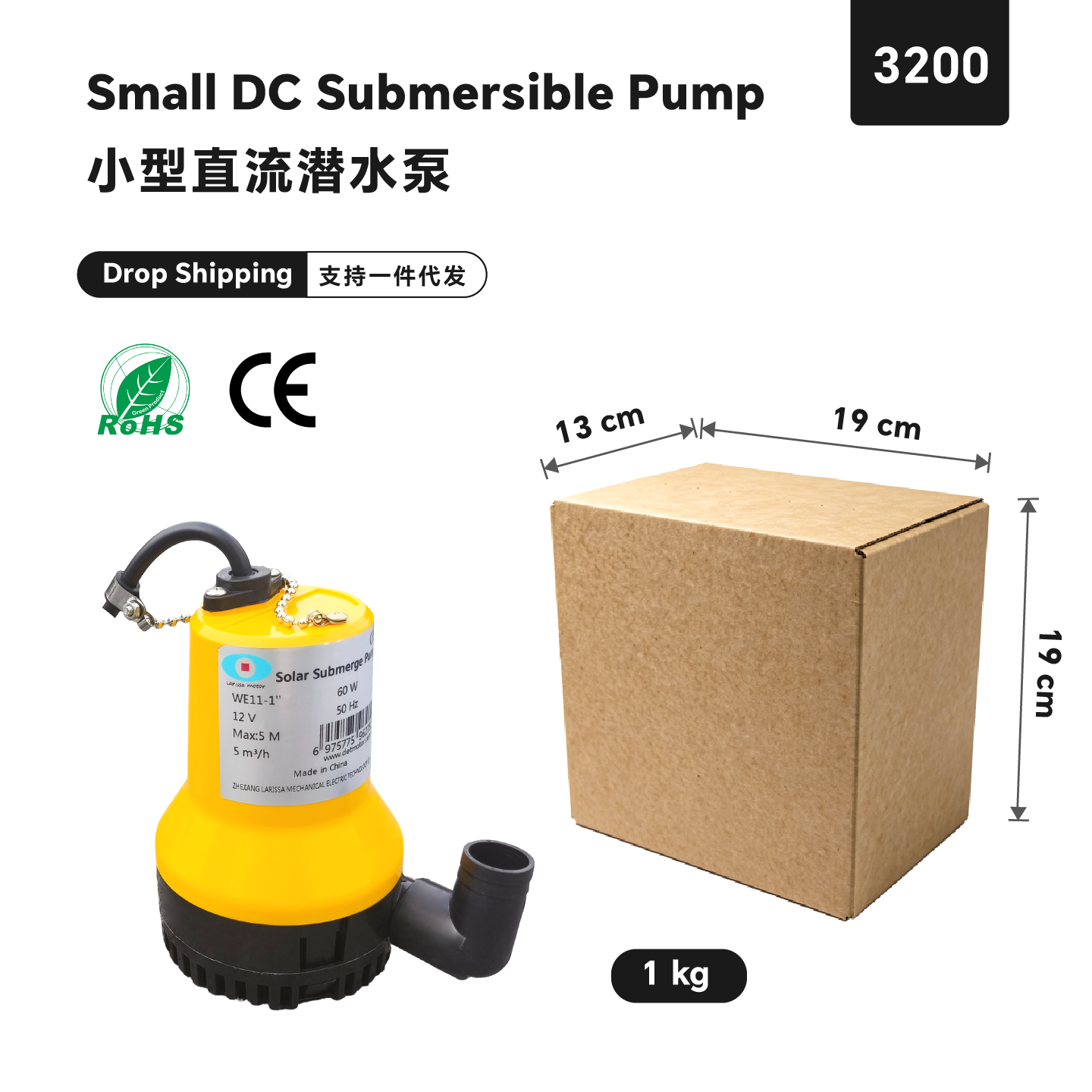
Shipping and Handling: Depending on the manufacturer’s location and your delivery requirements, shipping costs can  vary. Be  sure to confirm shipping arrangements and any  additional fees associated  with transportation.

Applications of Solar Submersibles in Various Industries and Projects

Solar submersibles are versatile and find applications across a range of industries:

Agriculture: These  systems  are used for irrigation, providing a sustainable and  cost-effective solution for farmers in remote  areas. The ability to pump water directly from wells or surface water sources helps to optimize water usage. For instance, the Solar Powered Deep Well Submersible Pump for Off-Grid Water Supply & Irrigation is an excellent choice for agricultural applications.

Water Supply: In regions with limited access to  electricity, solar  submersibles can  provide reliable water supply solutions for communities, ensuring access to clean water.

Environmental Monitoring: These submersibles are also utilized  in environmental projects for monitoring water quality and levels  in lakes, rivers, and reservoirs.

Mining: In mining operations, solar submersibles can be used for dewatering, helping to manage water levels in pits  and ensuring safe operational  conditions.

Aquaculture: In fish farming, solar submersibles assist in maintaining  water circulation and  oxygen  levels in ponds, promoting healthier environments for aquatic  life.

By  understanding the specifications,  installation requirements, common issues, cost factors, and application  scenarios of solar submersibles, B2B buyers can make  informed decisions that  align with their operational needs and sustainability goals.

Key Specifications to Evaluate When Sourcing Solar Submersibles

When  sourcing solar submersibles, several key specifications should be taken into account to ensure optimal performance for your specific application.

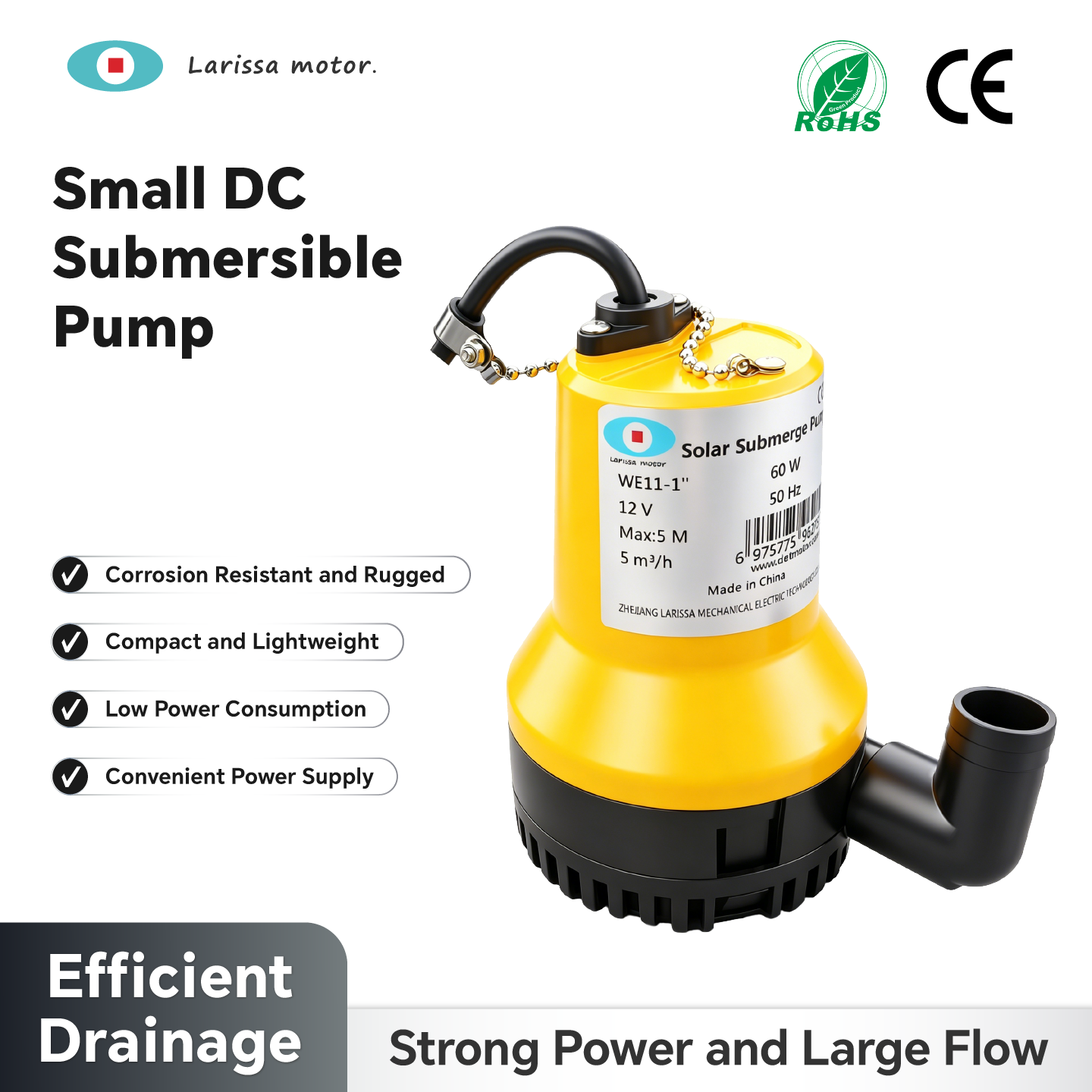
Power Output: Assess  the power output capacity of the solar submersible. This is often measured in watts and determines the efficiency of the pump or  motor. A higher wattage may be necessary for applications requiring significant water movement.


Material Composition: The materials used in  the construction of solar submersibles—such as corrosion-resistant stainless steel, high-density polyethylene (HDPE), or fiberglass—impact longevity  and performance. Consider  the environmental conditions where the submersible  will operate, as exposure to corrosive elements can significantly affect the material choice.


Flow Rate: This specification indicates the  volume of water the submersible can pump per minute, typically measured in gallons or liters. Buyers  should evaluate their specific needs to choose a model  that  meets  the required flow rate without compromising efficiency.

Depth Rating: Ensure that the submersible is rated for the depth at which it will be operating. The depth  rating affects the unit's reliability and durability, especially in deep-water applications.

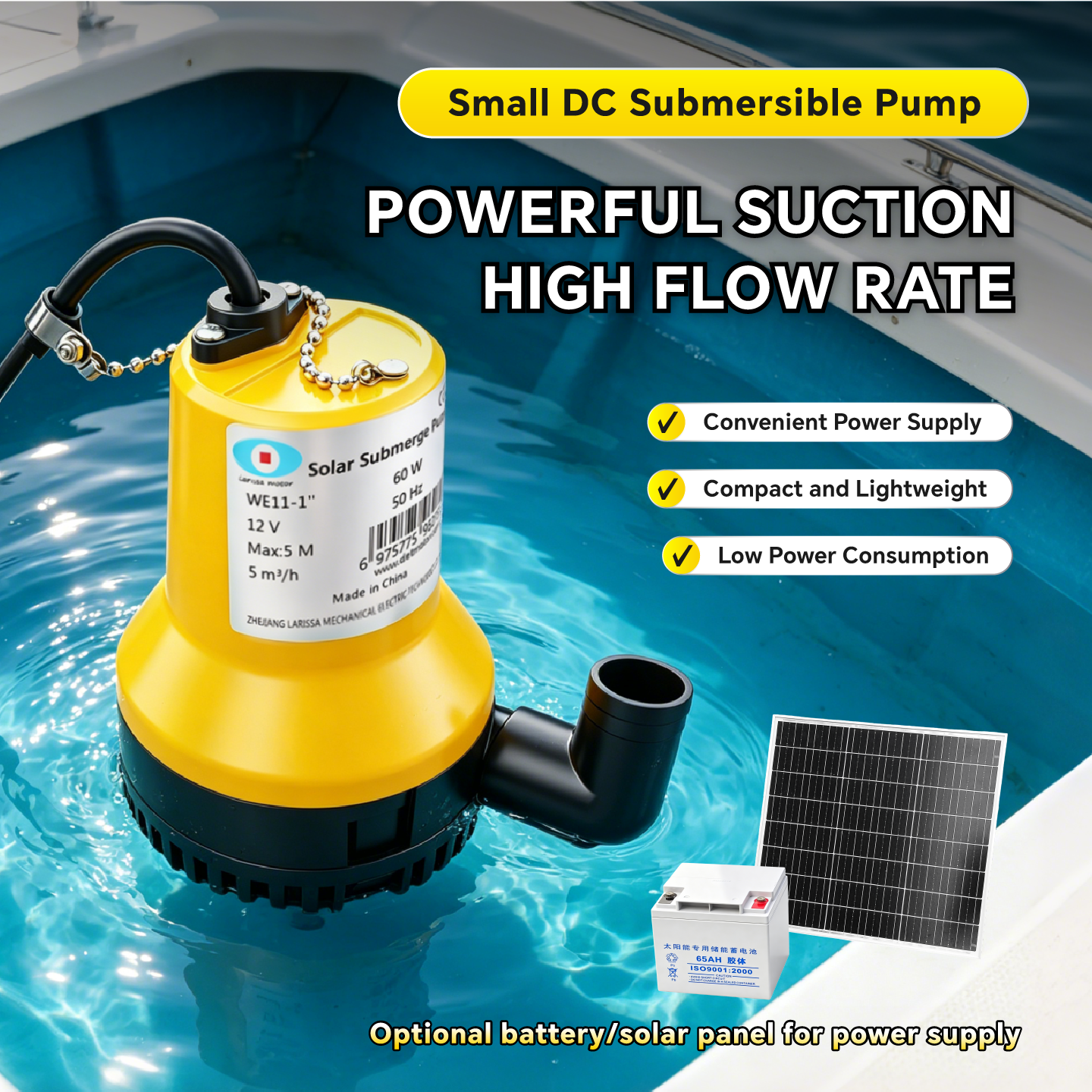
Solar Panel Specifications: The type  and efficiency of the solar panels integrated  into the system are crucial. Look for panels with a high efficiency rating and durability  to withstand harsh environmental conditions.

Certification Standards: Confirm that the product meets relevant international standards and certifications, such as CE or ISO, which reflect the manufacturer's commitment to quality and safety.


Get a Professional Sourcing Quote

Our pump experts will review your request and reply within 12 hours.
Choose Your Needs Optional Business Type
Customization Requirements Optional
Email
Name
Company Name & Website
Message
0/1000

Related product categories