Essential Guide to Water Pressure Booster Pumps

Get a Professional Sourcing Quote

Our pump experts will review your request and reply within 12 hours.
Choose Your Needs Optional Business Type
Customization Requirements Optional
Email
Name
Company Name & Website
Message
0/1000

water pressure booster pump

Water pressure  booster pumps are essential  devices that enhance  water pressure  in  various  applications, ensuring efficient operation  in both residential  and  industrial settings. Buyers often look for reliable  performance,  compatibility  with existing systems, and ease  of installation when selecting a booster pump. This article will guide you through key specifications,  installation guidance,  common problems and solutions, and  applications of water pressure  booster pumps, helping you  make an informed  purchasing decision.
 
Installation Guidance for Water Pressure Booster Pumps in Various Settings

Installation Guidance for Water Pressure Booster Pumps in Various Settings

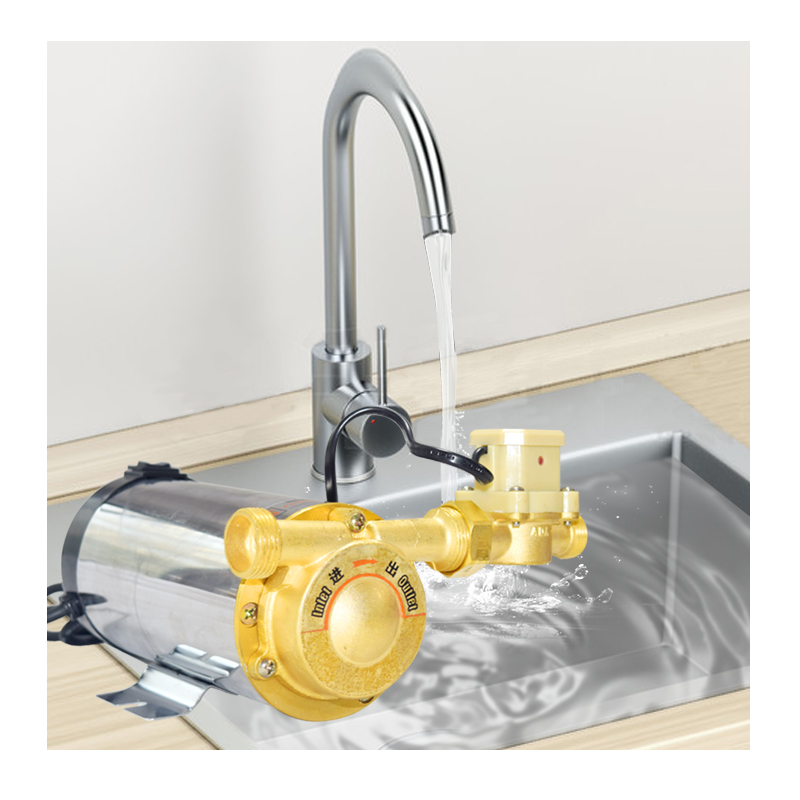
Installation of water pressure booster pumps varies based on the  application and existing infrastructure. Here are some key considerations:


Location: Select  a dry, well-ventilated area close to  the water source for optimal efficiency. Ensure that the  location is easily accessible for maintenance  and inspection.


Piping Configuration: Proper piping is essential for effective operation. Use appropriate pipe dimensions and materials to minimize friction losses. Typically, the input and output pipes should match the pump's specifications to avoid  pressure drops.

Electrical Connections: Ensure that electrical connections comply with local codes and the manufacturer's  specifications. Adequate power  supply and grounding are vital to prevent electrical  issues  during operation.

Pressure Switch Installation: Installing a pressure switch is crucial for automatic operation. This device monitors water pressure and activates the pump when pressure drops  below a set level. Proper positioning of the pressure switch  in the system can enhance responsiveness and efficiency.

Testing: Before full-scale operation, conduct tests to check for leaks, verify pressure readings, and ensure  that the  pump operates smoothly under load. This initial testing phase is vital  for  identifying any  installation issues.

By adhering to these installation guidelines, you can ensure that your water pressure booster pump operates efficiently  and effectively. For example, the Heavy-Duty Industrial Boiler Feed Water Pump for Hot Water Circulation & Heating Systems is a great choice for high-demand applications.
Common Problems with Water Pressure Booster Pumps and Their Solutions

Common Problems with Water Pressure Booster Pumps and Their Solutions

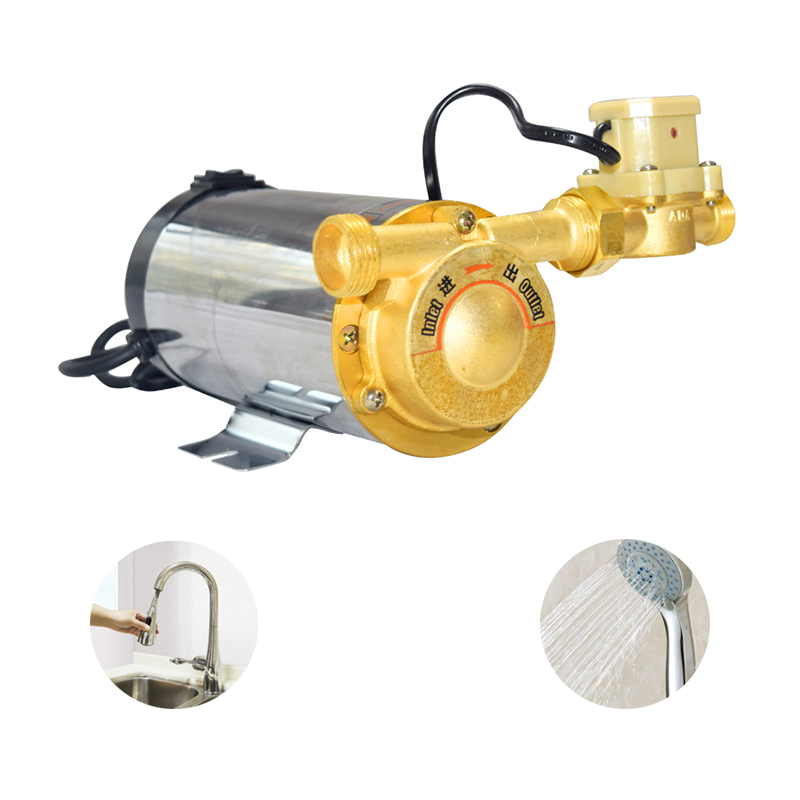
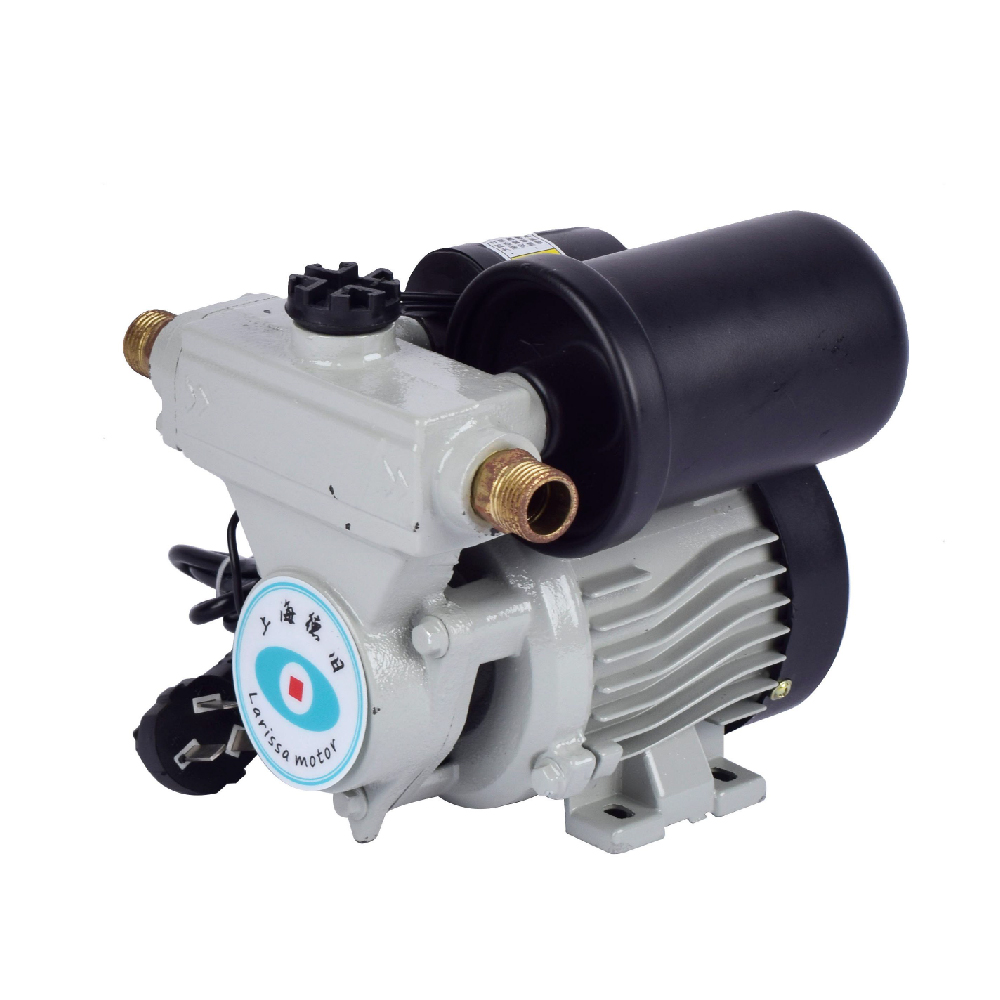
Water pressure booster pumps may encounter several common issues throughout  their lifespan.  Understanding these problems and their solutions  can save time and resources:

Low Pressure Output: This may  result from a clogged filter, air trapped in the system, or incorrect pump sizing. Regular maintenance, including cleaning filters and  ensuring proper venting, can help prevent these issues.

Noisy Operation: Excessive noise  can indicate misalignment, cavitation, or wear in the pump components. Investigating the source of the noise and  addressing  it promptly can prevent further damage.

Overheating: If the pump runs too hot, it may  be due to a lack of water flow or improper electrical supply. Ensure that the  pump is adequately cooled, and inspect the electrical connections for any faults.

Frequent  Cycling: If  the pump turns on and off too frequently, it may indicate a malfunctioning pressure switch  or an undersized  system. Checking the pressure switch settings  and ensuring the system is correctly  sized can help mitigate this issue.

Addressing these common problems  through  proper maintenance and timely repairs can extend the lifespan  of your water pressure booster pump.

Exploring Applications of Water Pressure Booster Pumps in Industry

Exploring Applications of Water Pressure Booster Pumps in Industry

Water pressure booster pumps serve a wide range  of applications across various industries, including:

Manufacturing: In manufacturing facilities,  consistent water  pressure is vital for cooling systems,  machinery operation, and cleaning processes. Booster  pumps  ensure that water is delivered at the required pressure for efficient production.

Irrigation: In agricultural settings, booster pumps are used to enhance water flow for irrigation systems, ensuring adequate water supply to crops. This is particularly important  in areas where water pressure is insufficient to reach all parts of the irrigation  network.

Commercial Buildings: Commercial properties often require booster pumps to maintain water pressure for plumbing fixtures, fire protection  systems, and HVAC  systems. These pumps ensure that all areas  within the building receive adequate water supply.

Residential Applications: In residential settings,  booster  pumps are commonly used to increase  water pressure for showers, faucets, and irrigation systems. This enhances the overall user experience and ensures efficient water usage.

Fire  Protection Systems: Water pressure booster pumps play a critical role in fire protection systems, ensuring that  fire suppression systems function effectively during emergencies.  They  provide the necessary pressure to deliver water through sprinkler systems.

Understanding these applications can help buyers identify the right water pressure booster pump suited for their specific needs.

What to Look For

When selecting a water pressure booster pump, consider the following factors to ensure you make an informed decision:

Performance Requirements: Clearly define your performance needs, including flow rate and pressure requirements. This will help  you narrow down your options and ensure that the pump you choose meets  your operational standards.

Quality and Reliability: Look for manufacturers,  like  Larissa  Motor, with a proven track  record of providing high-quality, reliable products. Investigate their manufacturing processes,  quality control systems, and  any certifications they may  hold.

Customization Options: Depending on your specific needs, ensure that the manufacturer offers customization options. This can include tailored specifications  such as size, materials, and additional features.

After-Sales Support: Evaluate the level of support offered by the manufacturer post-purchase. Reliable after-sales support can be critical for installation, maintenance,  and troubleshooting.

Cost Factors:  Consider not only the initial purchase price but also long-term operational costs, including energy consumption  and maintenance requirements. A pump with a  higher initial cost  may be more economical in the long run if it offers greater efficiency and lower maintenance needs.

By focusing on these key factors, you can  confidently select a water  pressure  booster pump that meets  your demands and enhances the efficiency of your system.


Key Specifications to Evaluate in Water Pressure Booster Pumps

When evaluating water pressure booster pumps, several specifications are critical to ensure optimal performance:

Flow Rate: Measured in gallons  per  minute (GPM) or liters per minute (LPM), the flow rate indicates how much water  the pump can move. Properly matching the flow rate to your system's needs is crucial; inadequate flow  can  lead to insufficient pressure, while excessive flow may lead to system overloading.

Pressure Rating: This specification indicates  the maximum pressure the pump can generate, typically measured in psi (pounds  per square inch) or bar. Understanding your required pressure level helps in selecting a pump that can  effectively boost water supply to the desired levels.

Power Source: Water pressure booster  pumps can be powered by electricity,  solar energy, or gas. The choice of power source can  affect installation, operating costs,  and overall efficiency, making it essential to align power options with your facility's capabilities.

Construction Materials: The materials used  in the construction of the pump—such  as  stainless steel, cast iron, or thermoplastic—affect durability, resistance to  corrosion, and performance under various  environmental conditions. For example, stainless steel is highly resistant to rust and is often preferred for applications involving potable water.

Drive Type: Booster pumps can be equipped with  either direct  drive or belt drive systems. Direct drive pumps typically offer higher efficiency and less maintenance, while belt drives may allow for more flexibility in speed and torque adjustments.

Understanding these  specifications will help you select a water pressure booster pump that meets your operational requirements and ensures long-term reliability. For instance, the DC CPM Centrifugal Water Pump for Solar Irrigation & Agricultural Water Transfer is designed specifically to meet diverse water supply needs.

Get a Professional Sourcing Quote

Our pump experts will review your request and reply within 12 hours.
Choose Your Needs Optional Business Type
Customization Requirements Optional
Email
Name
Company Name & Website
Message
0/1000

Related product categories