EN
EN
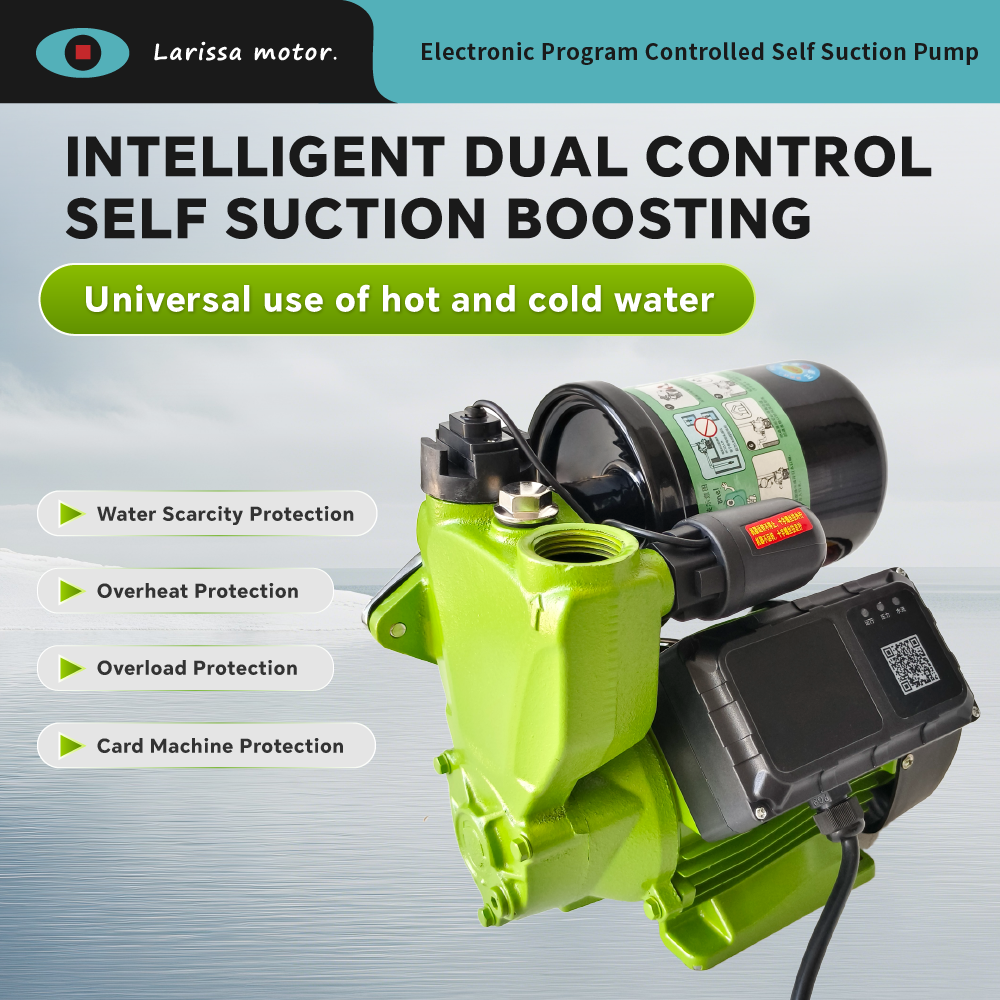
Choosing the right automatic water pump for your project needs can be a crucial decision for purchasing managers, engineers, and project planners. An automatic water pump is designed to provide efficient and reliable water movement in various applications, from industrial settings to residential systems. When sourcing these pumps, buyers often face concerns about compatibility, performance specifications, and overall cost-effectiveness. This article will guide you through the essential factors to consider when selecting an automatic water pump, ensuring you make an informed purchasing decision.
Key Specifications to Consider When Sourcing Automatic Water Pumps
When sourcing automatic water pumps, several key specifications should be evaluated to ensure optimal performance:
Flow Rate: This is the volume of water the pump can move in a given time, typically measured in liters per minute (L/min) or gallons per minute (GPM). It's crucial to match the flow rate with the demands of your application to avoid underperformance or energy waste.
Head Pressure: This refers to the height that the pump can lift water. Understanding the total dynamic head (TDH) required for your system helps in selecting a pump that can operate efficiently under your specific conditions.
Power Requirements: Automatic water pumps are available in various power configurations, including electric and diesel options. Assess the power availability at your site and consider energy efficiency to minimize operational costs.
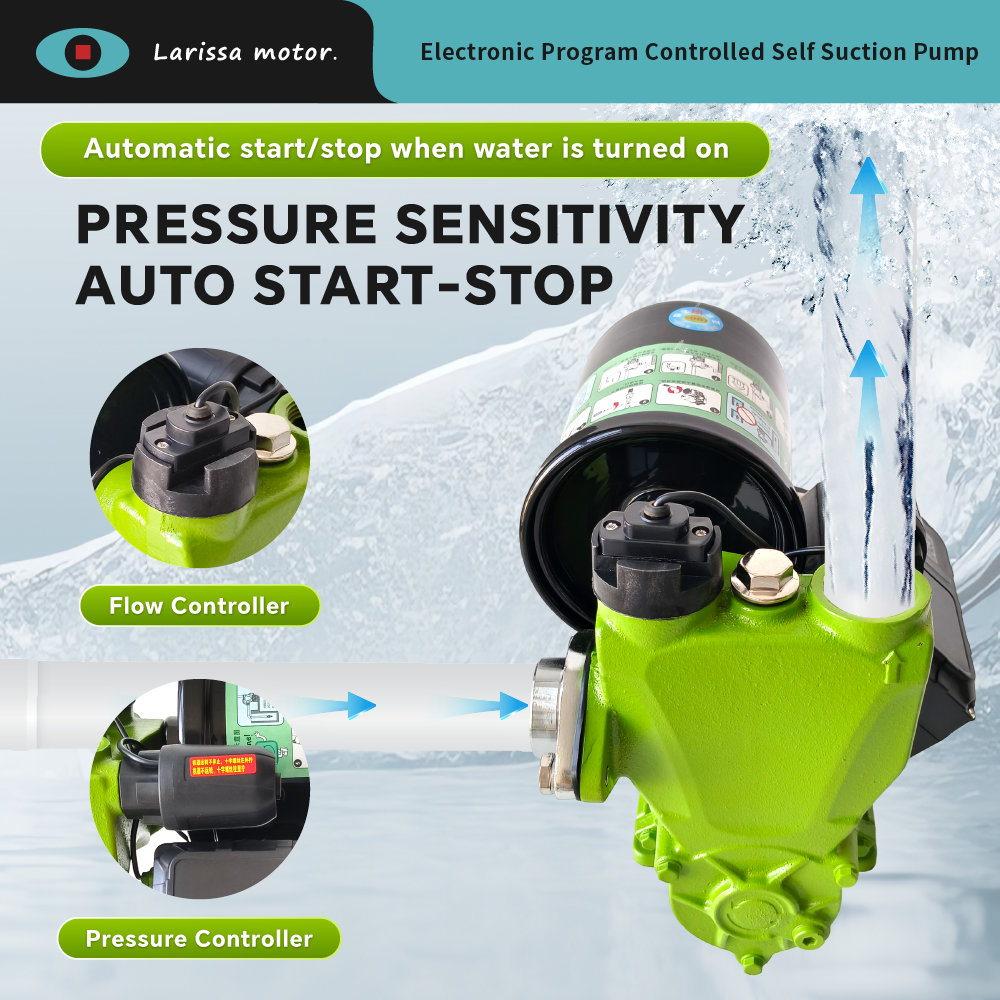
Control Mechanisms: Look for pumps with built-in control systems for automatic operation. Features such as float switches, pressure sensors, and timers can significantly enhance usability and performance.
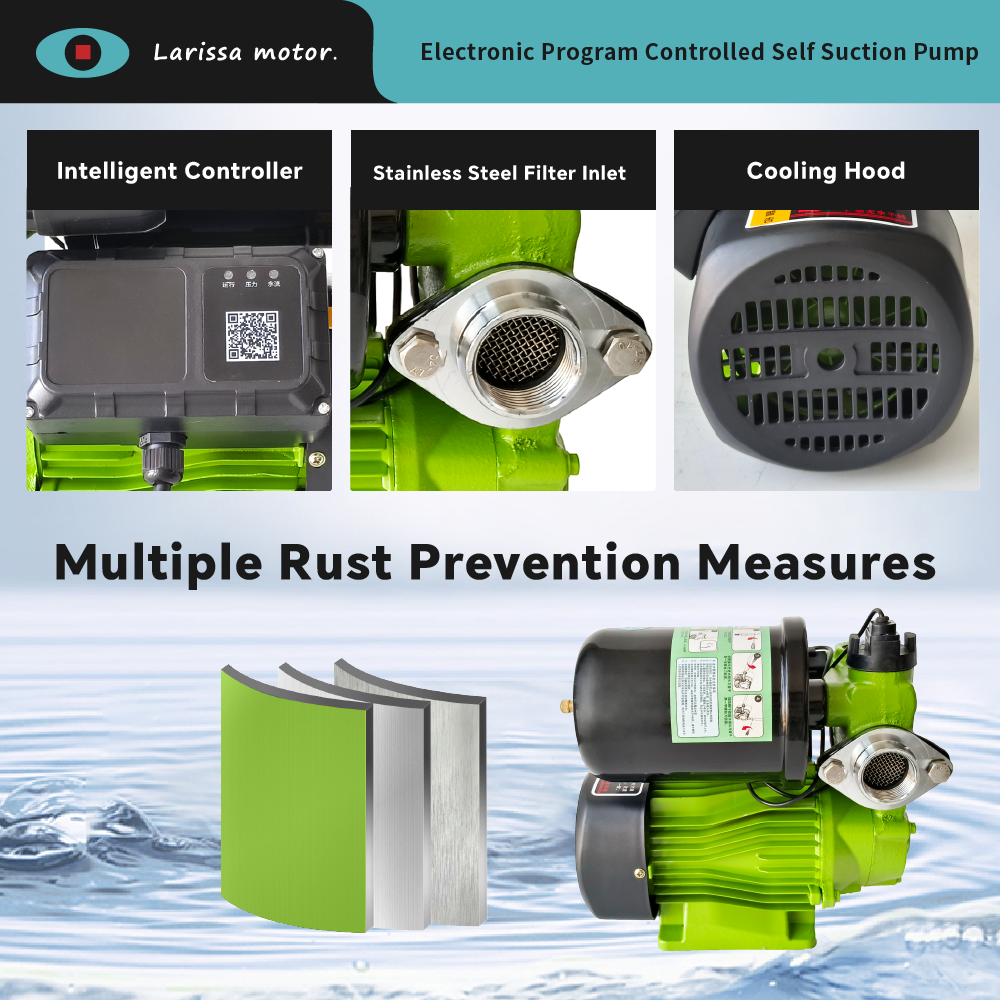
Durability and Materials: The construction materials of the pump should be suitable for the operating environment. For instance, pumps used in harsh chemical environments need to be resistant to corrosion and wear.
Certifications: Ensure that the pumps meet international standards, which can be a mark of quality and reliability. Certifications may include ISO standards or CE markings.
Evaluating these specifications with the help of a knowledgeable supplier will help ensure you select a pump that meets both your performance needs and budget constraints.