Key Insights on Motorized Pumps for Buyers

Get a Professional Sourcing Quote

Our pump experts will review your request and reply within 12 hours.
Choose Your Needs Optional Business Type
Customization Requirements Optional
Email
Name
Company Name & Website
Message
0/1000

motorized pump

Motorized pumps are essential electromechanical devices widely used across various industries to transfer liquids  efficiently and reliably. For purchasing  managers,  engineers, and other  B2B buyers, understanding  the intricacies of motorized  pumps is  crucial to  making informed  decisions.  This article will delve into key considerations such as  reliability  assessment,  installation challenges, important features for  contractors, and cost factors related to  bulk orders. By  the end,  readers  will be  better equipped  to evaluate motorized pump options that meet their specific requirements.
How to Assess Motorized Pump Reliability

How to Assess Motorized Pump Reliability

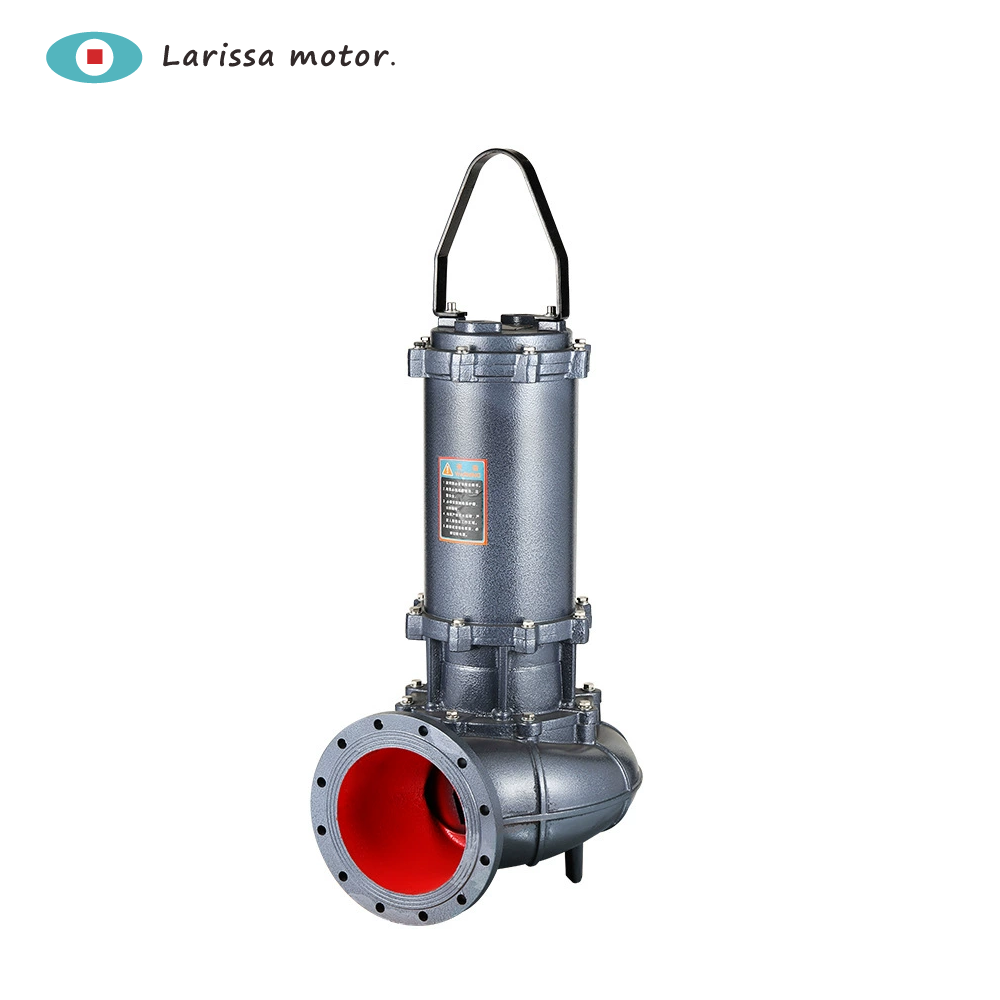
Reliability is a paramount concern for buyers of motorized pumps, as  any failure can lead  to costly downtimes and operational inefficiencies. To assess the reliability of a motorized pump,  buyers should consider the  following factors:

Material Selection: The materials used in the pump's construction directly  impact its durability. Stainless steel and high-grade plastics  are often preferred for their resistance to corrosion and wear.

Testing Procedures: Reputable  manufacturers conduct rigorous testing on their  pumps to ensure they  can withstand the required operating conditions. Buyers should inquire about these testing processes, including pressure tests and operational simulations.

Warranty and Support: A strong warranty can be  an indicator of the manufacturer's  confidence in their  product's reliability.  Buyers should also  evaluate the level of customer support available for  troubleshooting and maintenance.

User  Feedback: Collecting feedback from  existing users can provide valuable insights into a pump's long-term performance, helping to identify common issues  and reliability concerns.

By focusing on these aspects, buyers  can  make more informed choices, choosing motorized pumps that offer stable performance and longevity.
Common Installation Challenges for Motorized Pumps and Solutions

Common Installation Challenges for Motorized Pumps and Solutions

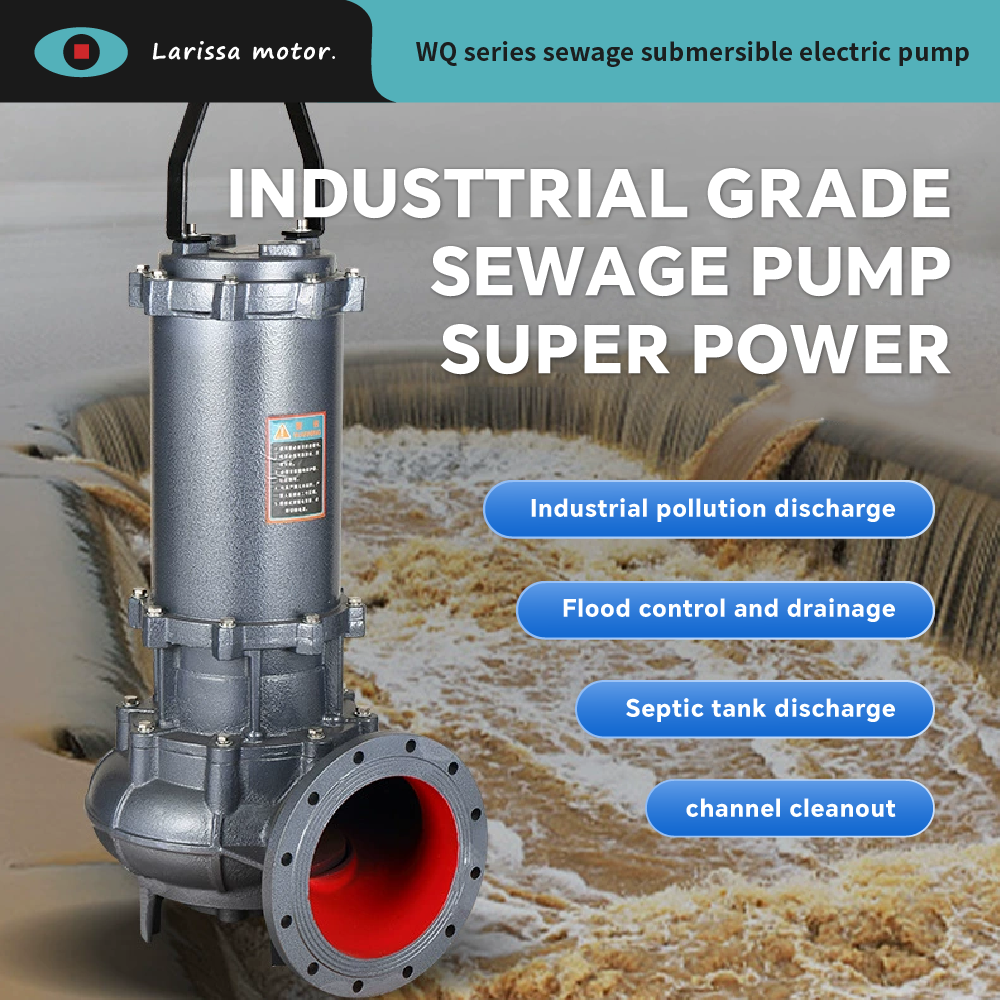
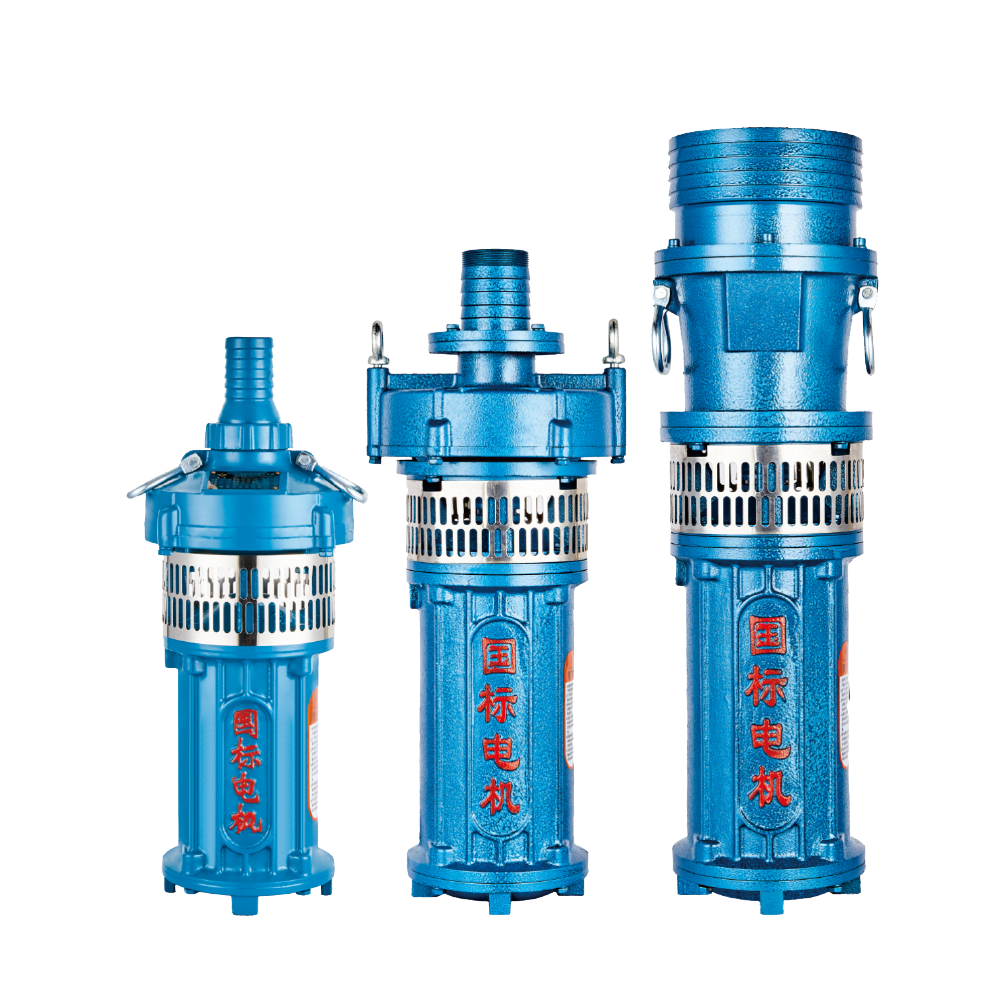
Installing motorized pumps can present several  challenges that may affect their performance if not  addressed properly. Here are some common issues and potential solutions:

Alignment Issues: Misalignment between the  pump and motor can lead to excessive wear and  energy  loss.  To  mitigate this,  ensure precise alignment during installation, using  laser alignment tools  if necessary.

Vibration Problems:  Excessive vibration can result from poor mounting or an unbalanced pump. Proper mounting techniques and routine vibration analysis can help resolve  this issue.

Inadequate Piping Design: Incorrect pipe sizes or layouts can cause cavitation, reducing  pump efficiency. Buyers should consult with engineers to design  piping systems that accommodate the pump's specifications and operational requirements, including using suitable construction drainage pumps if necessary.

Electrical Connection Errors: Incorrect electrical connections can damage the motor. Ensure that all electrical  work  adheres to  local codes and that the electrical supply matches the motor specifications.

By anticipating  these challenges and implementing effective  solutions, buyers can ensure a smoother installation process and enhance the pump's operational efficiency.

Features That Matter for Contractors

Features That Matter for Contractors

Contractors play a crucial role in selecting and installing motorized pumps, and they should prioritize specific features that enhance performance and ease  of use:

Customization Options: Contractors often require pumps tailored to  specific  applications. Manufacturers like Larissa Motor offer customization capabilities,  allowing contractors to  specify dimensions, materials, and performance  characteristics.

Energy Efficiency:  Energy-efficient pumps  can significantly reduce operational costs.  Look for pumps  with high-efficiency motors and designs that minimize power consumption.

Ease of Maintenance: Features that simplify maintenance, such as removable covers, easy access to components,  and clear labeling, can save time and reduce downtime during servicing.

Integration Capabilities: Contractors should consider how easily  a  motorized pump can integrate with  existing systems, including control panels and automation systems. Compatibility with common industry standards  can  ease the installation process.

By focusing on  these features, contractors  can  enhance project efficiency and  ensure that the motorized pumps meet their clients' needs, including options like solar water pumps for energy efficiency.

Understanding the Cost Factors of Motorized Pumps for Bulk Orders

When  purchasing motorized pumps in bulk, various cost factors come into play that can significantly  influence the overall expense. Key considerations include:

Material Costs: The choice of materials affects both the initial purchase price and long-term durability. Premium materials may have higher upfront costs but can reduce the need for replacements and maintenance.

Customization  Fees: Customization often  incurs additional fees. Buyers should weigh the benefits of tailored  solutions  against  these costs, considering the potential for improved performance and  efficiency.

Shipping and Handling: Bulk orders may attract  higher shipping costs, especially for international  orders. Understanding shipping methods, packaging requirements, and lead times  can help  buyers manage these expenses effectively.

Volume Discounts: Many manufacturers  offer discounts for bulk purchases. Buyers should negotiate these terms upfront, aiming to maximize savings while ensuring product quality and reliability.

Long-term Operational Costs: The initial purchase  price is  just one part of the total cost of ownership. Buyers should also consider maintenance, energy consumption, and potential downtime  when evaluating the overall  value  of a motorized  pump.

By carefully analyzing these cost factors, buyers can make informed decisions that align with their budgetary constraints while ensuring they procure reliable motorized pumps suitable  for their applications, including options for industrial water pumps.

What Buyers Should Know

When selecting a motorized pump, buyers need to consider several critical factors,  including application suitability,  material specifications, and customization options. Motorized pumps can vary significantly in  design, size,  and performance based on their intended use, whether  it’s for agricultural irrigation, industrial fluid transfer, or HVAC  systems.

Buyers should also be aware of the different types of motorized pumps available in the market,  such as  centrifugal pumps and positive  displacement pumps. Each  type has  unique advantages and is suited for specific applications. For example,  centrifugal pumps are typically used for  low-viscosity fluids, while positive displacement pumps are preferred  for high-viscosity  applications.

Furthermore, evaluating the manufacturer's capabilities is essential.  A reputable manufacturer, like Larissa Motor, which has been  producing high-quality electromechanical  products since 1998, can provide insights into the reliability and performance of their motorized pumps,  ensuring they meet international  standards.

Get a Professional Sourcing Quote

Our pump experts will review your request and reply within 12 hours.
Choose Your Needs Optional Business Type
Customization Requirements Optional
Email
Name
Company Name & Website
Message
0/1000

Related product categories