Key Factors for Sourcing Sewage Pumps Efficiently

Get a Professional Sourcing Quote

Our pump experts will review your request and reply within 12 hours.
Choose Your Needs Optional Business Type
Customization Requirements Optional
Email
Name
Company Name & Website
Message
0/1000

sewage pump

Sewage pumps are  essential components in wastewater  management  systems, designed  to move  sewage from lower to  higher elevations,  ensuring proper disposal and treatment. For B2B buyers such as  purchasing managers,  distributors, and engineers, the  selection of a sewage  pump involves considerations  of quality, performance, and reliability. This  article will  provide insights into the  key  factors to  consider  when sourcing sewage pumps, including distributor partnerships, sourcing strategies, installation guidance, common  issues, and cost  considerations.
Where to Source Reliable Sewage Pumps for Bulk Orders

Where to Source Reliable Sewage Pumps for Bulk Orders

When sourcing sewage pumps for bulk orders, consider the following avenues:

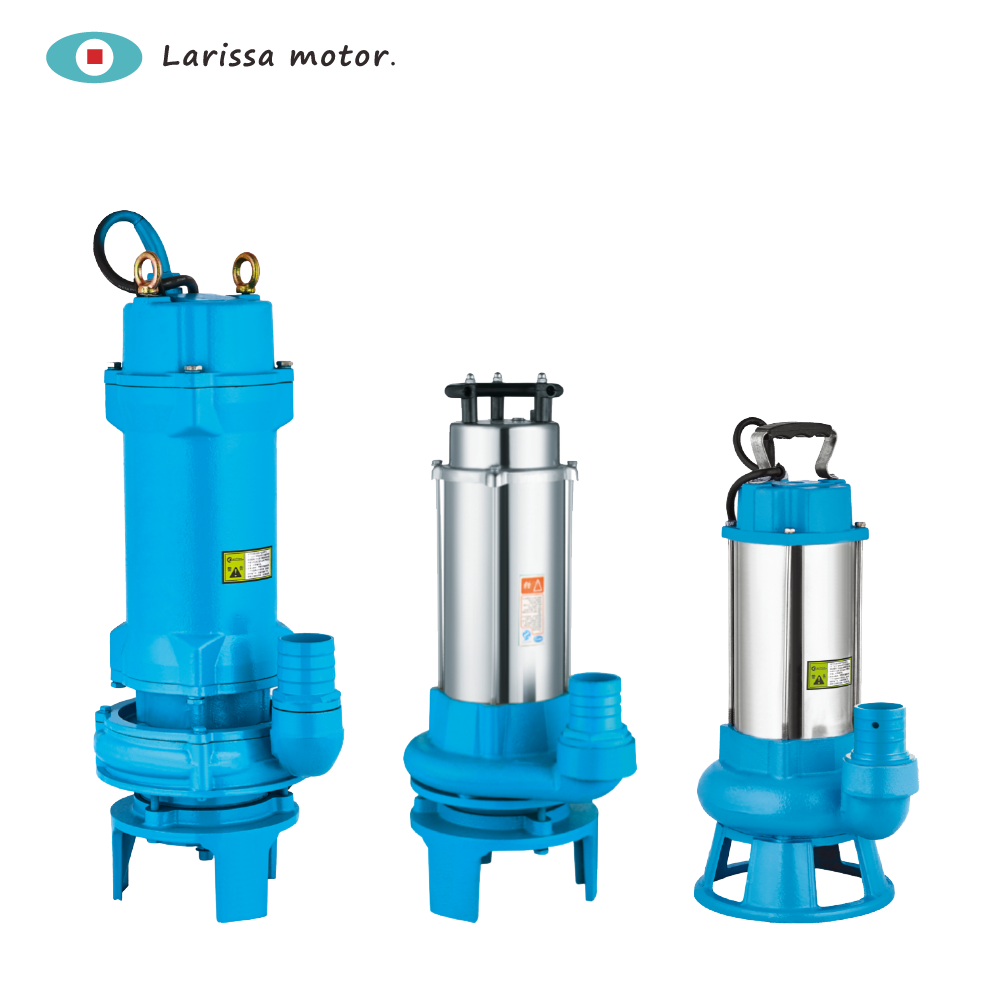
Direct from Manufacturers: Purchasing directly from manufacturers like Larissa Motor can provide you with better pricing and insights into production capabilities. Manufacturers often have the capability to  customize products to meet  specific  requirements, which can be beneficial for bulk orders.

Industry Trade Shows: Attending trade shows focused on manufacturing  and  wastewater management can help you  discover new suppliers, view products firsthand, and establish  relationships with manufacturers and distributors.

Online Marketplaces: B2B marketplaces  can offer a variety of sewage  pump  options from different suppliers. However, it is crucial  to evaluate the credibility of  sellers and the quality of their products through reviews and ratings.

Referrals  and Networking: Engaging with industry peers can lead to recommendations for reliable suppliers. Networking  within  professional organizations can also provide insights into which manufacturers  have a strong  reputation for quality.

When placing  bulk orders, ensure that you communicate clearly about your requirements, including specifications, quantities, and expected delivery timelines.
Installation Guidance for Efficient Sewage Pump Deploymen

Installation Guidance for Efficient Sewage Pump Deploymen

Proper  installation of sewage pumps is critical for  optimal performance and longevity. Here are  key considerations for installation:

Site Assessment: Before installation, conduct  a  thorough  site assessment  to determine the optimal  location for the pump. Factors such as proximity to the sewage  source, elevation changes, and  access for maintenance must be  considered.

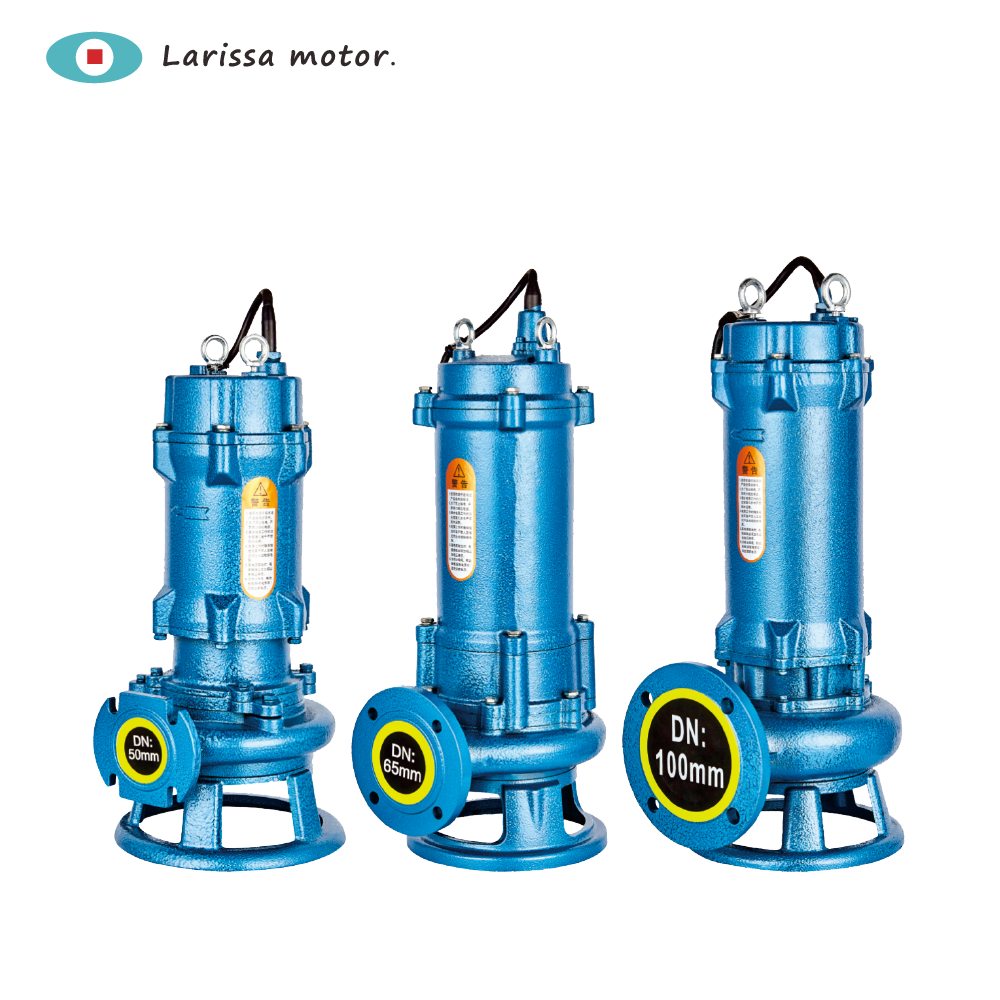
Correct Sizing: Ensure that the sewage pump is appropriately sized for the application. An undersized  pump may struggle to handle the required flow rates, while an oversized pump can lead to energy inefficiency and increased wear.

Proper  Mounting: The  pump should be securely mounted to prevent vibrations and movement during operation. Utilize appropriate mounting hardware and ensure that the pump is level to avoid operational issues.

Electrical Connections:  Ensure that electrical connections comply  with local codes and are performed by qualified personnel. Adequate power supply  and protection against surges are essential for reliable operation.

Testing and Commissioning: After installation, conduct thorough testing to verify  that the pump operates correctly under various conditions. Check for leaks, vibrations, and  performance metrics to ensure that it meets operational requirements.

Common Sewage Pump Problems and Effective Solutions

Common Sewage Pump Problems and Effective Solutions

Sewage pumps can face several common issues that can hinder their performance. Here are some typical problems and  suggested solutions:

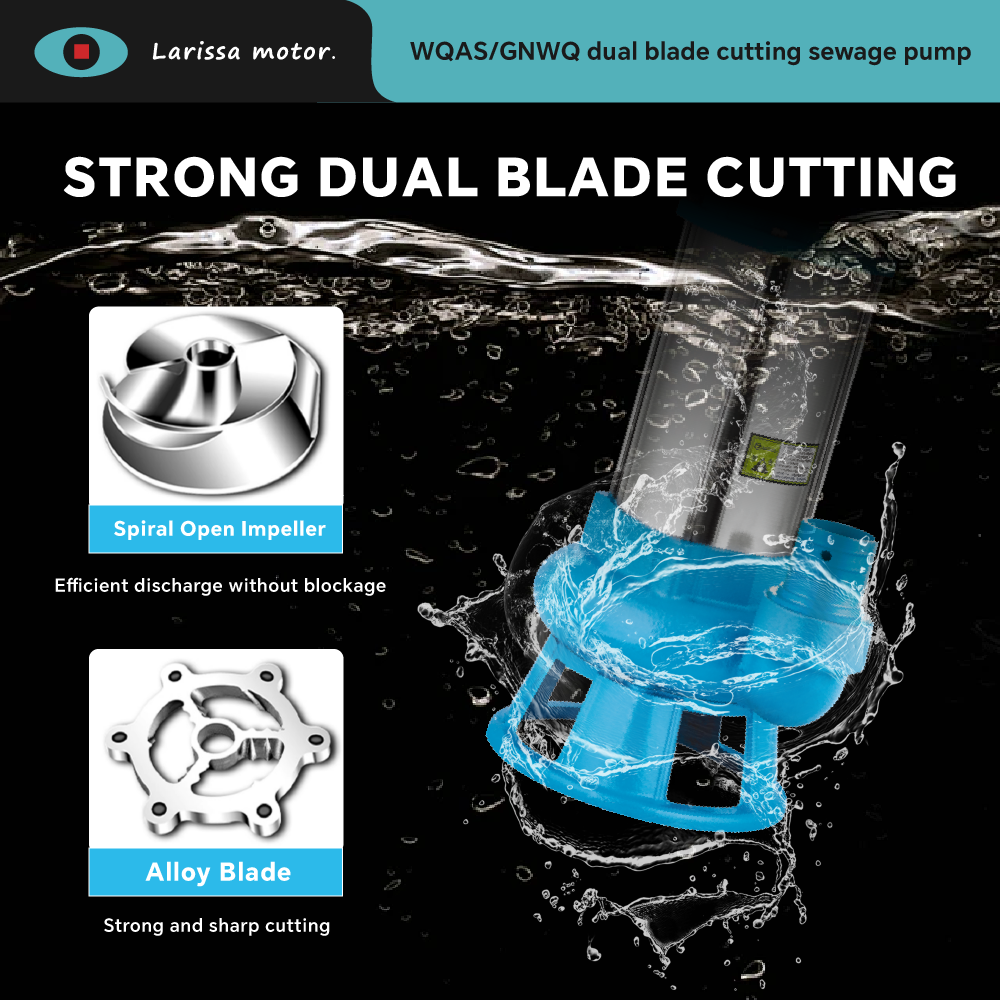
Clogging: One of the most frequent problems  is clogging caused by  solid waste or debris. Regular maintenance and the installation of a strainer can help prevent clogs. Educating users about what can and cannot be flushed can also mitigate this issue.

Overheating: Overheating can occur due to inadequate cooling or prolonged operation  at low flow rates.  It is essential  to  ensure that the pump  operates within its specified parameters and has proper ventilation.

Electrical Failures:  Issues with electrical  components can lead to  pump failure. Regular inspection of electrical systems and connections can help identify potential issues before they become serious problems.

Seal Failures:  Worn or damaged seals can lead to leaks and reduced efficiency. Regular inspection and timely replacement of seals can  prevent  water damage and maintain pump performance.

Vibration  and Noise: Excessive vibration  or noise can indicate misalignment or mechanical issues. It is crucial to check alignment during installation and  perform  routine maintenance to ensure proper operation.

Cost Factors to Consider When Purchasing Sewage Pumps in Bulk

When  planning a bulk purchase of sewage pumps, several  cost factors must be taken into account:

Initial  Purchase Price: The cost of the pumps themselves is the most obvious factor. Compare  prices from different suppliers, but also  consider the  total cost of ownership, which includes installation and maintenance.

Customization Costs: If customization is required, factor in any additional  costs for modifications. Discuss these with suppliers upfront to  avoid unexpected expenses.

Shipping and Handling: Transportation costs can vary significantly  based on the volume and weight of the pumps. Be sure  to discuss shipping options and associated costs with your supplier.

Maintenance and Repair: Consider the long-term  maintenance costs associated with the pumps.  Higher-quality pumps may have lower maintenance requirements and longer lifespans,  resulting in cost savings over time.

Bulk Order Discounts: Many suppliers offer discounts for bulk orders, which can significantly  reduce  the unit price. Be sure to inquire about available discounts and any minimum order quantities that may apply.

By understanding these cost factors, buyers can make informed decisions that  balance initial costs with long-term  value,  ensuring that their investment in  sewage pumps meets both their operational and  budgetary needs.

Key Factors for Distributors

Distributors play a vital role in the supply chain of sewage pumps, acting as intermediaries between manufacturers and end-users. When selecting a distributor, consider the following factors:

Product Range: A distributor should offer a broad selection of sewage pumps, including different types and sizes to  accommodate various applications. This ensures that you  can find  the right pump  for your specific needs without needing to approach  multiple suppliers.

Technical Expertise: Distributors with strong technical knowledge can  provide valuable insights into product  specifications and applications. They  can assist in  identifying the right pump based on the operational requirements, such  as flow rate,  head  height, and material compatibility.

Customization Capabilities: Some distributors  may offer  options for customization, allowing you to modify pump features to meet specific  operational needs or regulatory requirements. This flexibility can be crucial for unique  applications.

After-Sales Support: Reliable after-sales support,  including installation guidance, maintenance services, and warranty information, is essential. Ensure the distributor is capable of providing comprehensive service to support the longevity and efficiency of the sewage  pumps. For instance, distributors that provide Efficient Cutter Submersible Sewage Pumps can be particularly beneficial for wastewater treatment applications.

Get a Professional Sourcing Quote

Our pump experts will review your request and reply within 12 hours.
Choose Your Needs Optional Business Type
Customization Requirements Optional
Email
Name
Company Name & Website
Message
0/1000

Related product categories