Key Specifications for Solar Powered Irrigation Pumps

Get a Professional Sourcing Quote

Our pump experts will review your request and reply within 12 hours.
Choose Your Needs Optional Business Type
Customization Requirements Optional
Email
Name
Company Name & Website
Message
0/1000

solar powered irrigation pump

Solar  powered irrigation pumps are  innovative solutions designed  to provide  efficient water management in  agricultural  settings. These  pumps harness  solar energy, making them an environmentally  friendly and cost-effective alternative to  traditional fuel-powered or electric  pumps. B2B buyers, including purchasing managers  and agricultural engineers, are often concerned  with specifications, application suitability, and  supplier reliability  when  considering these products. This article  will explore the key specifications of solar powered irrigation pumps, their top applications in agriculture, reliable suppliers,  installation guidance,  and what to  expect when integrating these systems into your operations.
Top Applications for Solar Powered Irrigation Pumps in Agriculture

Top Applications for Solar Powered Irrigation Pumps in Agriculture

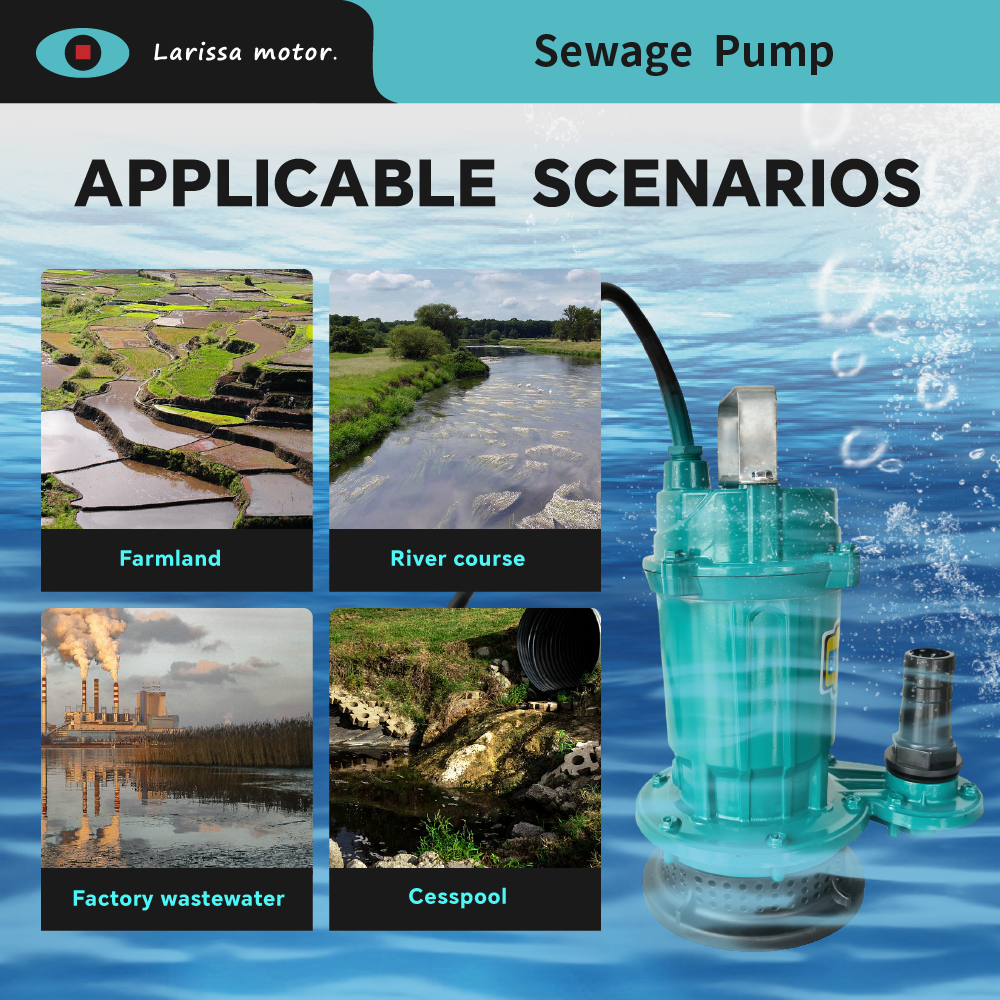
Solar powered irrigation  pumps  are particularly beneficial in various agricultural applications:


Drip Irrigation Systems: These systems deliver water directly to the plant roots,  minimizing waste. Solar pumps can efficiently power drip systems in remote locations, reducing  dependence on traditional power sources.

Sprinkler Irrigation: For larger crop fields, solar powered pumps can facilitate sprinkler irrigation, ensuring  even water distribution. They are especially useful in  regions where  electricity supply  is unreliable.

Livestock  Watering: Solar pumps  can be used to provide a consistent water supply for livestock,  ensuring their hydration needs are met without the need for  extensive infrastructure.

Turf and Landscape Irrigation: Beyond agricultural applications, these pumps  can effectively manage water distribution in landscaping and turf management,  allowing for sustainable water use.

Aquaculture: Solar powered pumps can also be  utilized in aquaculture for maintaining water levels  and quality in fish  farms, proving their versatility across different agricultural sectors.


These applications highlight how solar powered irrigation pumps can enhance efficiency and sustainability in  agricultural practices.
Reliable Suppliers for Solar Powered Irrigation Pumps in the Marke

Reliable Suppliers for Solar Powered Irrigation Pumps in the Marke

Choosing a reputable supplier is crucial for ensuring the quality and  reliability of solar powered irrigation pumps. Key factors to consider include:


Reputation: Research suppliers with a strong track record in the industry. Look for reviews, case studies, and testimonials  from other agricultural businesses  to gauge their reliability.

Customization Capabilities: Suppliers like Larissa Motor, with extensive experience in electromechanical product manufacturing, can offer  tailored  solutions to meet specific  agricultural needs. Ensure that your  supplier can accommodate any customization requirements you  may have. For example, the Portable Solar Water Pump for Farm Irrigation & Remote Area Water Transfer is a great option that can be customized for unique farming needs.

Quality Assurance Processes: Reliable  suppliers should have stringent quality control measures in place. This might include certifications or  compliance with international standards, ensuring that their products meet performance  expectations.

Technical  Support and Service: A supplier that offers robust post-purchase  support and maintenance services can be invaluable. This support  can include installation guidance, troubleshooting, and timely spare  parts availability.

Export Experience: If  you are sourcing internationally, consider suppliers with experience  in exporting their products to your region, as they will be familiar with logistics and regulatory requirements.

By evaluating suppliers on these  criteria, you can secure a reliable source for your solar powered irrigation pump needs.

Installation Guidance for Solar Powered Irrigation Pumps on Site

Installation Guidance for Solar Powered Irrigation Pumps on Site

Proper installation of solar  powered irrigation pumps is critical for optimal  performance. Here are  some essential steps and considerations:

Site  Assessment: Before installation, conduct a thorough assessment  of the site to determine the best location for the solar panels and pump. Ensure that the  panels receive maximum sunlight exposure throughout the day.

Foundation  Preparation: The pump must be  securely mounted to prevent movement or damage. Prepare a stable foundation using concrete or other suitable materials to ensure stability.

Electrical Connections: Follow  the manufacturer's instructions carefully when connecting the pump to the  solar panel system. Ensure all  connections are secure and weatherproof to minimize the risk of  electrical failure.

Testing: After installation, conduct tests to check the pump's performance  under various conditions. This includes checking for leaks, ensuring the flow rate meets expectations, and confirming that the  solar panels generate sufficient power.

Regular Maintenance: Set up a maintenance schedule to regularly check  the system’s components, including cleaning the solar panels  and  inspecting the pump  for any signs of wear  or damage.

By following these guidelines, you can ensure that your solar  powered irrigation pump operates effectively and efficiently.

What to Expec

When integrating solar powered irrigation pumps into your agricultural operations, several  factors will influence your experience:

Cost Savings: While the initial investment may be higher than traditional pumps,  the  long-term savings on energy  costs  and reduced reliance on fuel can lead to significant  financial benefits.

Environmental Impact: Utilizing solar energy contributes to reducing your carbon footprint, making your operations more  sustainable and appealing to environmentally conscious consumers.

Reliability: Solar powered pumps can operate  independently  of grid  power, providing  a reliable water source even in  remote or off-grid locations. This reliability can be crucial during dry seasons or in emergency situations.

Adaptability: As agricultural practices evolve,  solar powered irrigation pumps can be adapted to various applications and systems, allowing for flexible water management  solutions.

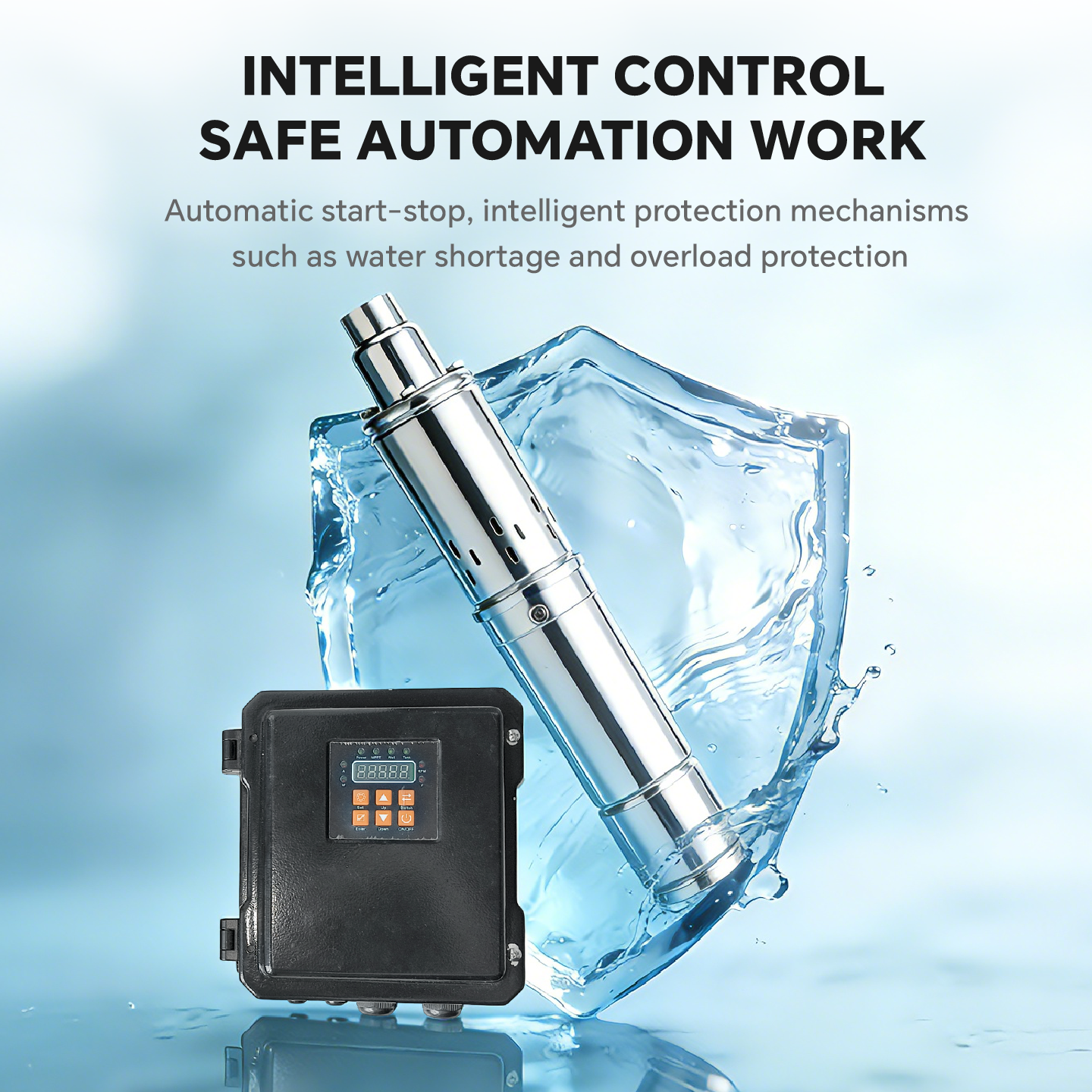
Performance  Monitoring: Many modern solar  pumps come equipped with monitoring systems that allow you to track performance metrics, helping you make informed decisions regarding  water management and system efficiency.

By understanding what to expect from  solar powered irrigation pumps, you can better prepare  for their integration into your agricultural practices, ensuring a smooth transition and long-term success.

Key Specifications for Solar Powered Irrigation Pumps You Should Know

When evaluating solar powered irrigation pumps, it is  essential to  consider several key specifications:

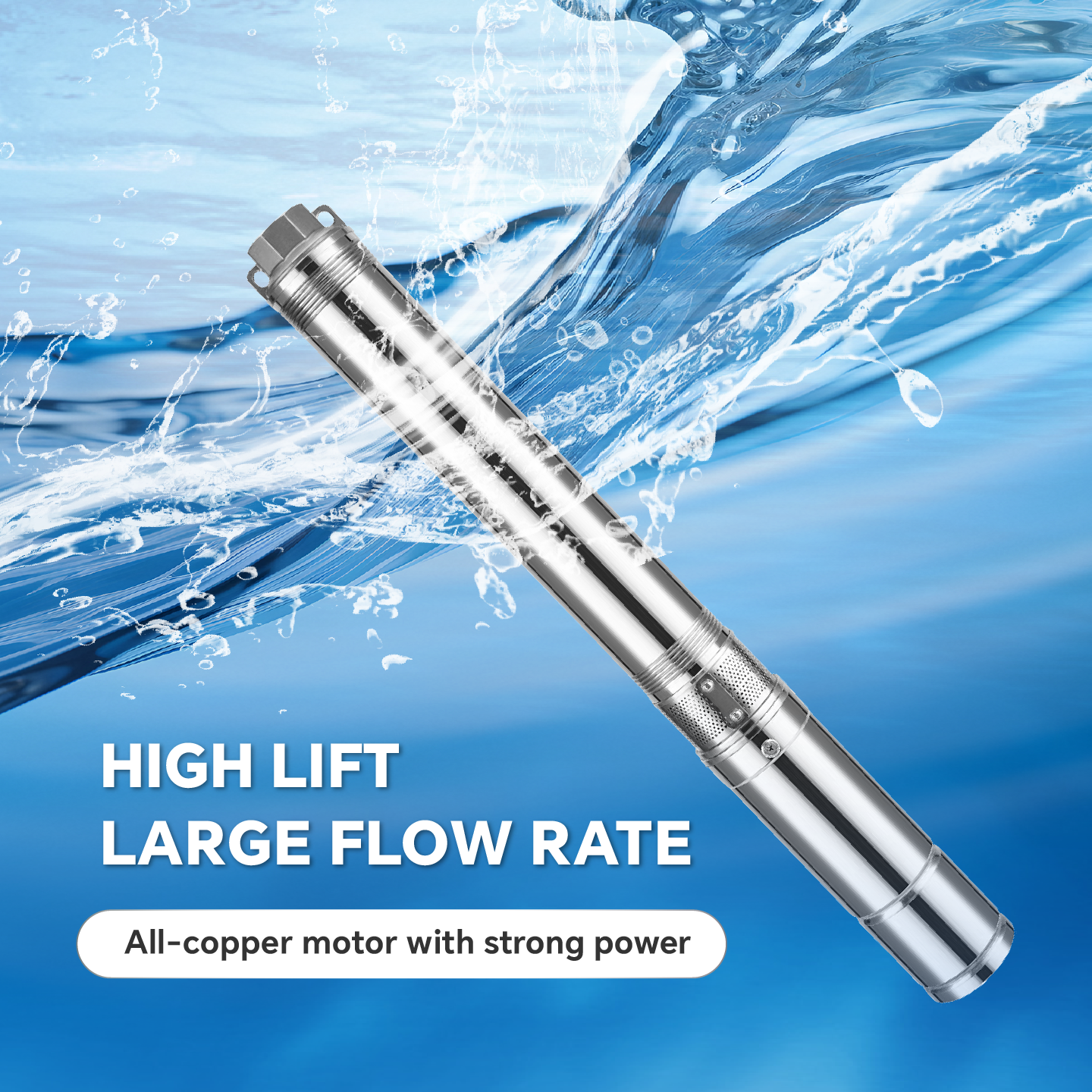
Flow Rate: This refers to the amount of water the pump can move per unit of time, typically measured in liters per minute (L/min). The required  flow  rate will depend on the size of the irrigation  area  and the crop type. Understanding your specific needs will help in selecting a pump that meets your  agricultural requirements.

Total Dynamic Head (TDH): TDH indicates the total height that  the  pump  must lift the water, which includes vertical lift and friction loss in the system. Knowing the TDH is crucial for ensuring that the pump operates efficiently within your irrigation system.

Solar  Panel Capacity: The efficiency of solar powered pumps heavily relies on solar panel output. The capacity is typically measured in watts and should be matched to the pump's requirements to ensure consistent  operation, even during cloudy days.

Material  Quality: The materials used  in  pump construction affect durability  and resistance to environmental factors. Look for pumps made from corrosion-resistant materials, especially if they  will  be used in areas with high salinity  or chemical exposure.

Customization Options: Depending on the  manufacturer, there may be options for customization in terms of size, power output, and control systems. This can be particularly valuable in addressing specific agricultural needs.

Understanding these specifications can help you evaluate potential pumps to ensure they are suited to your operational requirements. For instance, the DC CPM Centrifugal Water Pump for Solar Irrigation & Agricultural Water Transfer is designed to meet various agricultural needs effectively.

Get a Professional Sourcing Quote

Our pump experts will review your request and reply within 12 hours.
Choose Your Needs Optional Business Type
Customization Requirements Optional
Email
Name
Company Name & Website
Message
0/1000

Related product categories