Stainless Steel Submersible Pump Specifications

Get a Professional Sourcing Quote

Our pump experts will review your request and reply within 12 hours.
Choose Your Needs Optional Business Type
Customization Requirements Optional
Email
Name
Company Name & Website
Message
0/1000

stainless steel submersible pump

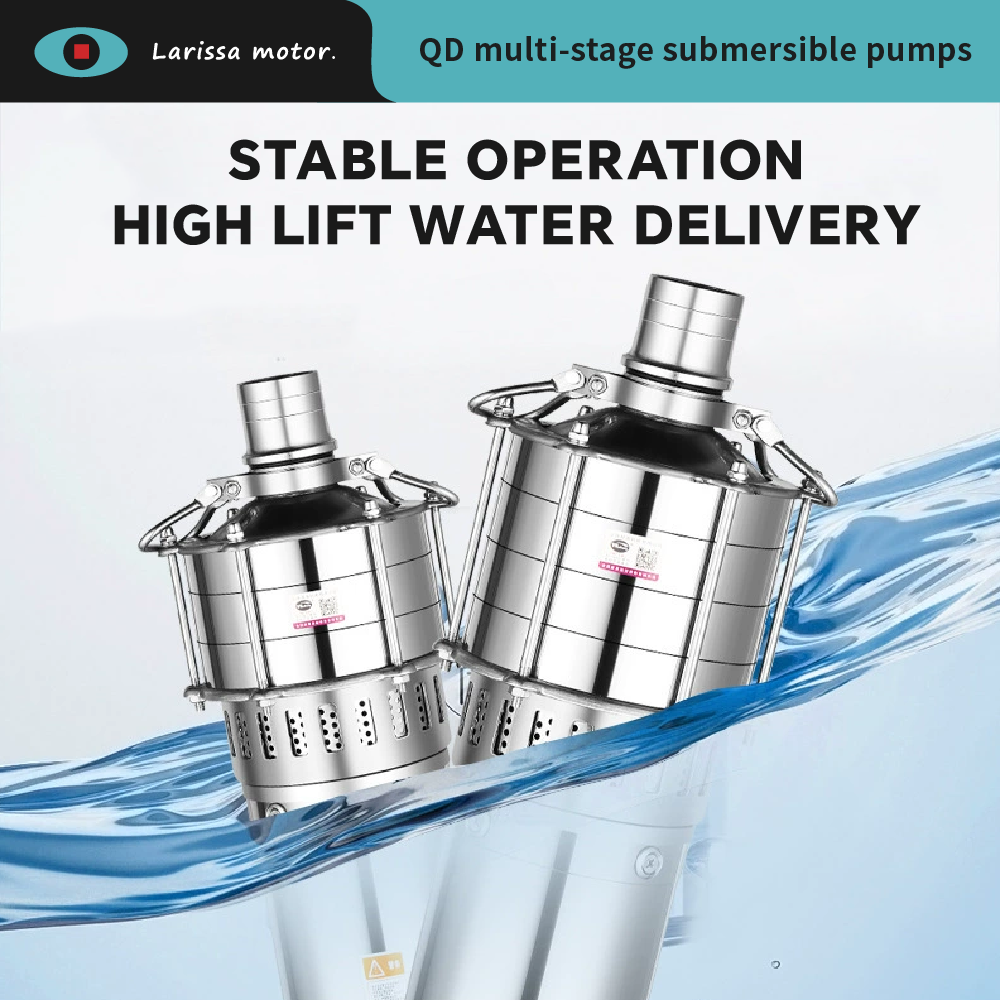
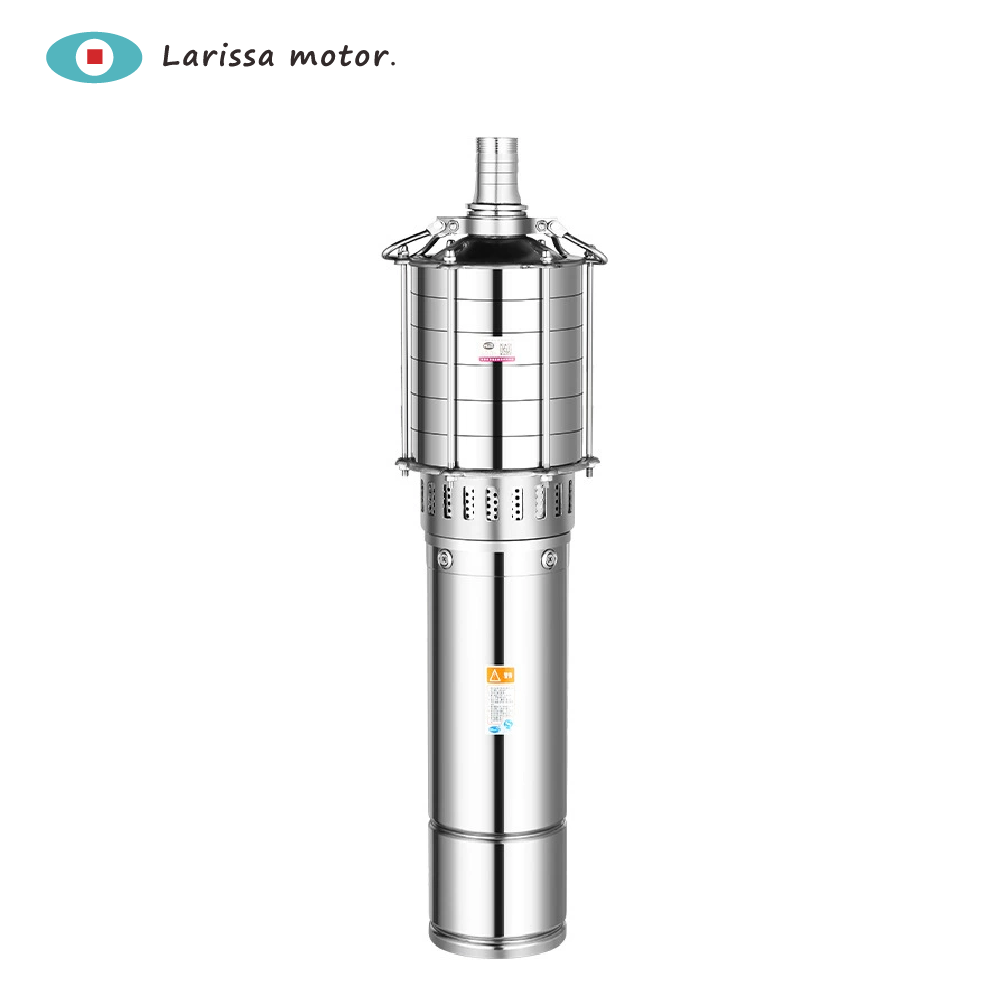
Stainless steel  submersible pumps are essential components  in various  industrial applications,  known  for their durability and resistance to corrosion.  As a B2B purchasing  manager  or engineer, understanding the  specifications  and features of these pumps is critical for ensuring optimal performance in your operations.  This article addresses  common  buyer concerns  such as product  selection, pricing, installation, and  maintenance,  providing  you with  the insights needed to  make informed purchasing decisions. For example, when considering various options, you might explore Industrial & Mining applications.
Understanding Pricing for Bulk Orders of Pumps

Understanding Pricing for Bulk Orders of Pumps

Pricing for stainless steel submersible  pumps can vary  significantly based on several factors:

Quantity: Bulk orders typically qualify for discounts.  The more units you purchase,  the lower the cost per unit, making  it economically viable for large-scale projects.

Specifications:  Customization and specific performance requirements can influence pricing. Pumps with  advanced features or higher performance ratings may come at a premium.

Lead Time:  Rush orders  may incur additional charges. Discussing your timeline upfront with the manufacturer can help you avoid unexpected  costs.

Shipping and Handling: Consider logistics costs, including shipping fees, which can add to the total expense. Ensure  you factor  these  into  your budget calculations.

Quality Assurance: High-quality  pumps may  have a  higher initial cost but can lead to lower  maintenance expenses over time due  to their durability. Investing in quality  components can save money in the long run.
Installation Guidance for Stainless Steel Submersible Pumps

Installation Guidance for Stainless Steel Submersible Pumps

Proper installation of stainless steel  submersible pumps  is crucial  for optimal performance and longevity. Here are some key considerations:

Site Preparation: Ensure that the installation site is suitable, with adequate space for the pump and access for maintenance.  The area should be free from debris and potential contaminants.

Electrical Connections: Verify that electrical connections comply with safety standards. The pump's  motor  should  be connected to  a properly rated power supply to  prevent overloads.

Testing Before Use: Conduct a pre-installation inspection  to  check for any damage and ensure all components are functioning correctly. Initial testing can reveal issues that  might not be apparent during  standard inspections.

Depth of Installation: Install the pump at an appropriate depth to ensure  optimal performance.  The depth should prevent the pump from running dry while allowing for efficient fluid intake.

Regular Maintenance: Establish a maintenance schedule  post-installation to monitor  performance and address any issues promptly.  Regular checks can  extend the life  of the pump significantly.

Applications of Stainless Steel Submersible Pumps in Various Industries

Applications of Stainless Steel Submersible Pumps in Various Industries

Stainless steel submersible pumps are versatile and  find applications across multiple industries, including:

Water Treatment: These pumps are widely used in municipal water supply systems for their ability to handle large volumes of water efficiently. Their corrosion resistance is particularly  valuable  in this sector.

Agriculture: In  irrigation systems,  stainless steel pumps help deliver water  to crops,  ensuring efficient water usage  and promoting agricultural  productivity. You may also look into Agricultural Water Pumps for specialized solutions.

Construction: They are employed in  dewatering applications to  remove excess water from construction sites, helping  maintain  safety and efficiency during building projects.

Mining: Stainless steel pumps are  critical in  mining operations for moving wastewater and other fluids,  where durability against harsh conditions is essential.

Industrial Processes: In chemical processing, these pumps  are used for transferring corrosive liquids, benefiting from their  resistance to chemical reactions.

Common Problems with Submersible Pumps and Their Solutions

While stainless steel submersible pumps are generally reliable, they can  encounter several common issues.  Here’s how to address them:

Overheating: This can occur due to prolonged dry running or inadequate cooling.  To mitigate this,  ensure  the  pump is submerged properly and consider installing  a thermal protection switch.

Clogging: Debris can block the pump intake, reducing efficiency. Regular maintenance and cleaning of the pump can  help prevent this issue. Consider using filters to keep unwanted materials  at bay.

Seal Failure: If the seals wear out, water can enter the motor compartment, leading to failure. Regular inspections and  timely replacement of seals can prevent such problems.

Vibration: Excessive vibration may  indicate misalignment  or mechanical failure. Regularly  check the pump  alignment and perform maintenance to address any mechanical issues  before they  escalate.

Electrical Issues: Power supply fluctuations  can affect  performance. Ensuring stable electrical connections and using  surge protectors can minimize this risk.

By  understanding the specifications, installation requirements, and potential issues related to stainless steel submersible pumps, B2B buyers can make informed decisions that enhance operational efficiency and longevity.

What to Look for in Stainless Steel Pumps

When  evaluating stainless  steel submersible pumps, focus on  several key specifications:

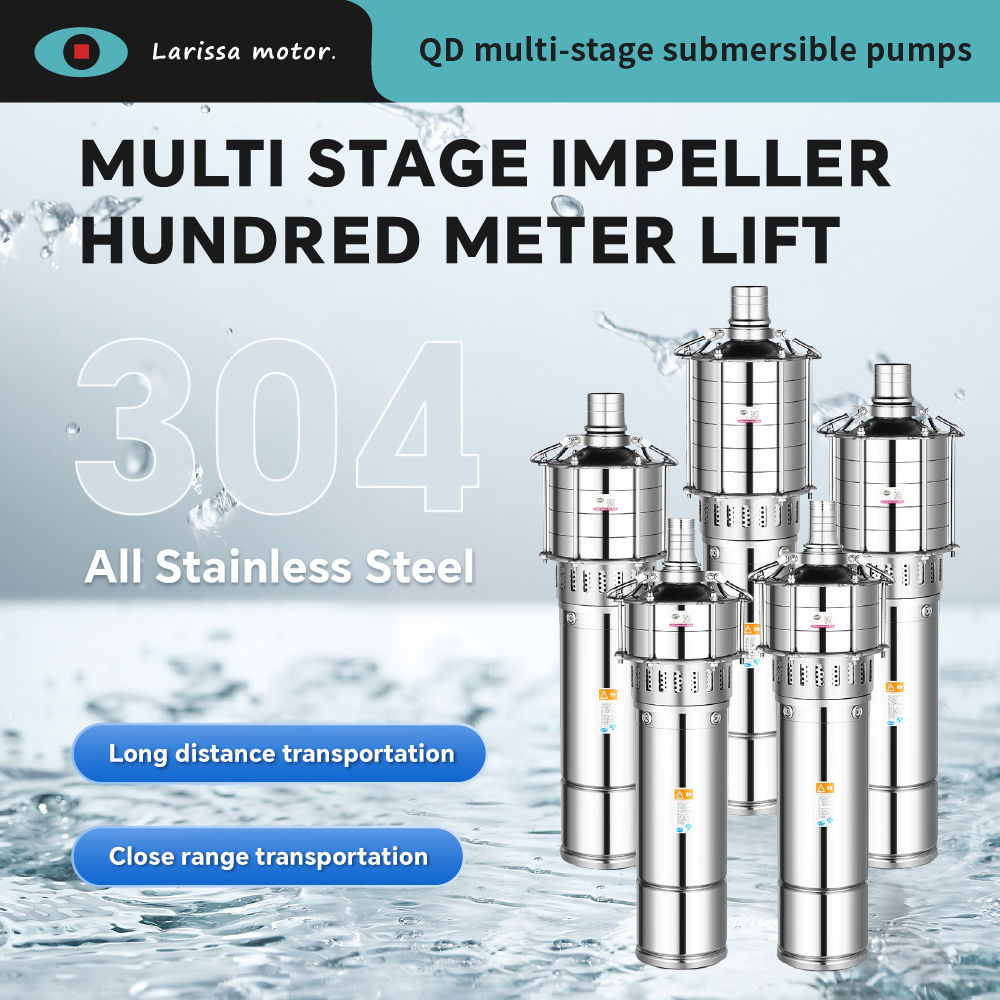
Material Quality: The grade of stainless steel is pivotal. Common grades include 304 and 316,  with 316 offering superior resistance to corrosion, especially in harsh environments. Ensure the pump is made from high-quality materials to  enhance longevity.

Performance Ratings: Assess the flow rate and head pressure, which indicate the pump's efficiency in moving fluids. The required flow rate should match  your operational needs,  while the head pressure must accommodate the vertical lift required in your application. You may also want to consider Irrigation Pumps for specific agricultural applications.

Seal Design: Look for pumps with robust sealing mechanisms to  prevent  water ingress, which can  lead to pump failure. Mechanical seals are often preferred for their reliability.

Motor Type: Evaluate whether the pump  uses a submersible motor that is designed for continuous operation in submerged conditions. The motor's power  rating should  align with your  pumping requirements.

Customization Options: If your operations have specific needs, check if the manufacturer offers customization in terms of size, shape, or additional features. Larissa Motor  specializes in customization, allowing you to tailor the pump  to  suit your exact  application.

Get a Professional Sourcing Quote

Our pump experts will review your request and reply within 12 hours.
Choose Your Needs Optional Business Type
Customization Requirements Optional
Email
Name
Company Name & Website
Message
0/1000

Related product categories