EN
EN
Submersible pumps are essential components in various industrial applications, including water management, sewage disposal, and agricultural irrigation. Understanding the submersible pump price is crucial for purchasing managers and engineers looking to invest in reliable systems. This article will help you navigate cost factors, selection criteria, best practices, common issues, and provide a comprehensive buyer's guide to ensure you make informed decisions when sourcing submersible pumps.
How to Choose the Right Submersible Pump for Your Project Needs
Selecting the appropriate submersible pump involves a comprehensive evaluation of your project requirements:
Assess Application Requirements: Understand the specific needs of your application, including the type of liquid being pumped, required flow rate, and total dynamic head. This will help narrow down the pump options suitable for your project.
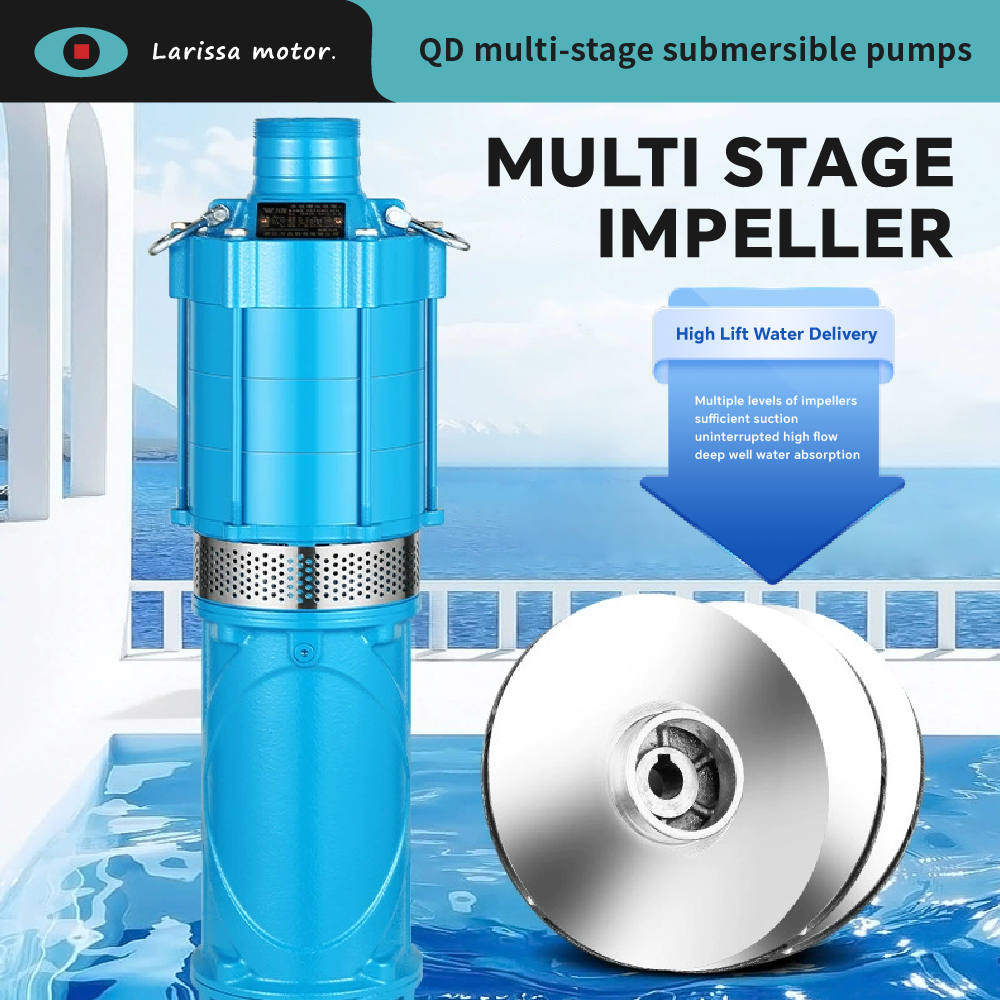
Evaluate Performance Specifications: Look for pumps that meet or exceed your performance criteria. Key specifications to consider include horsepower, impeller design, and efficiency ratings. Ensure that the pump can handle the expected workload without strain.
Consider Operating Environment: Evaluate the conditions in which the pump will operate. Factors such as temperature extremes, potential chemical exposure, and the presence of solids in the fluid can dictate the choice of materials and design features.
Review Manufacturer Expertise: Partnering with a manufacturer like Larissa Motor, which has extensive experience in developing high-quality electromechanical products, can assure you of receiving reliable and durable pumps suited for your specific application. Additionally, consider options like the Horizontal Multistage Centrifugal Pump for High Pressure Water Supply Systems for various pumping needs.
Customization Needs: If your project requires specific modifications, confirm that the manufacturer can accommodate these requests without significantly increasing lead times or costs.