EN
EN
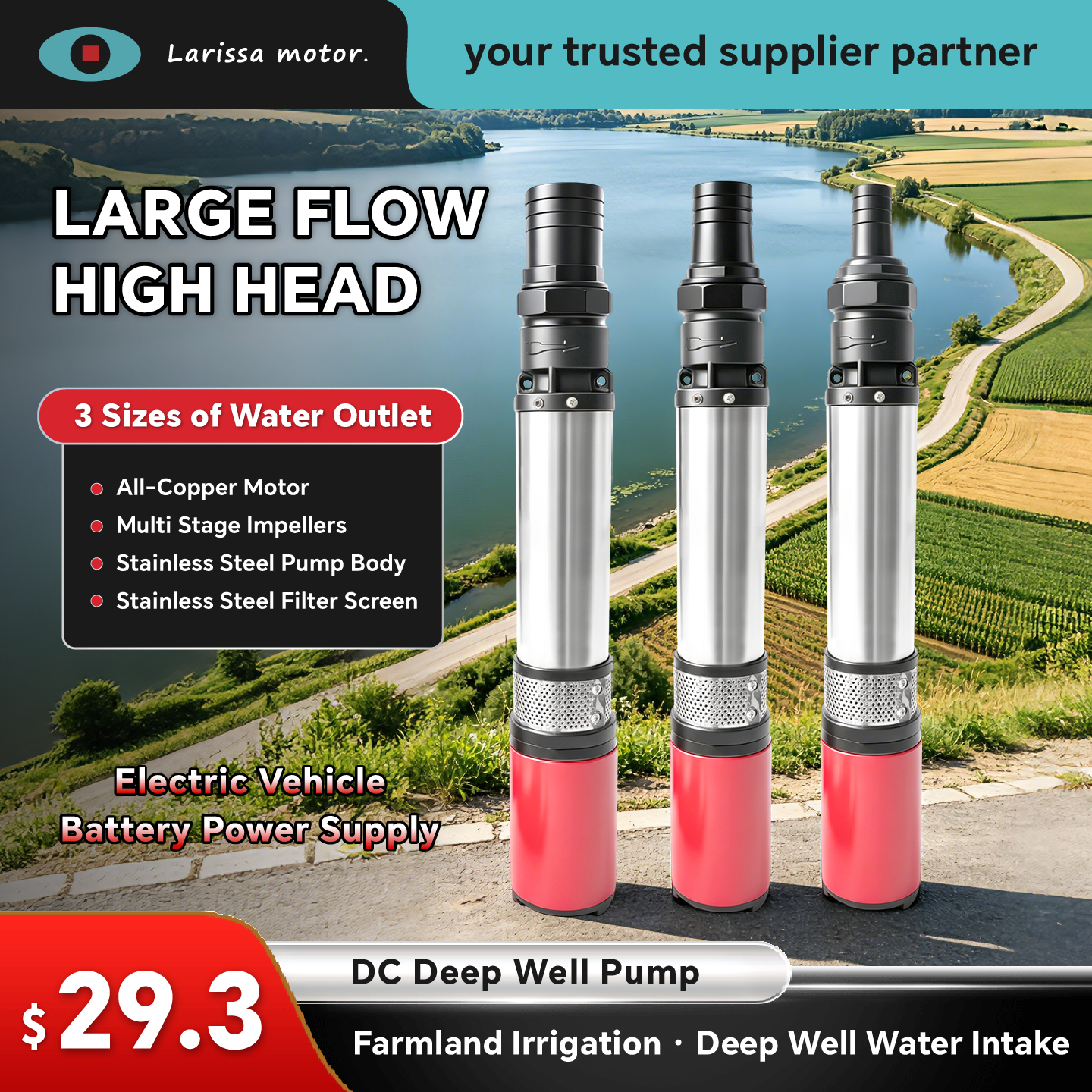
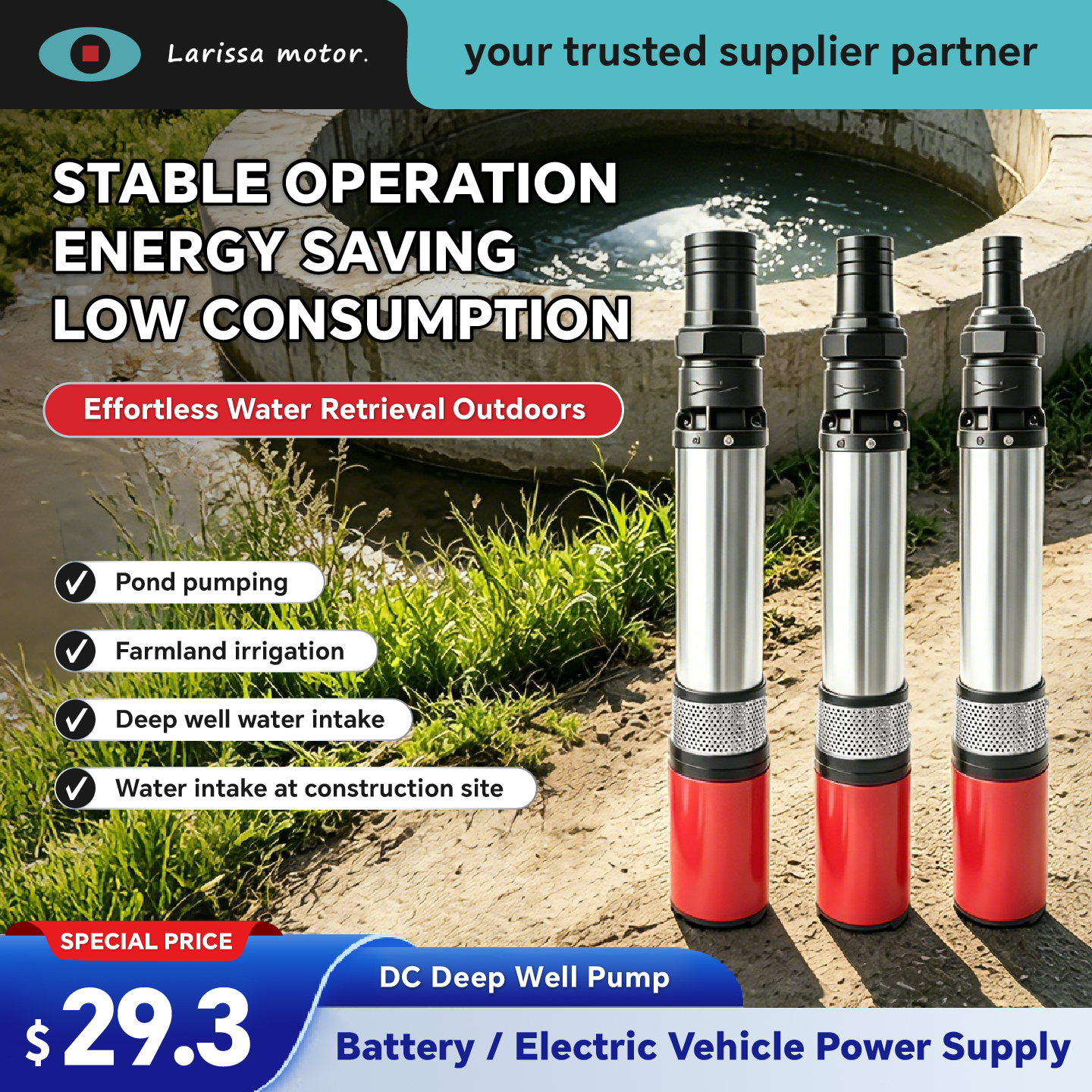
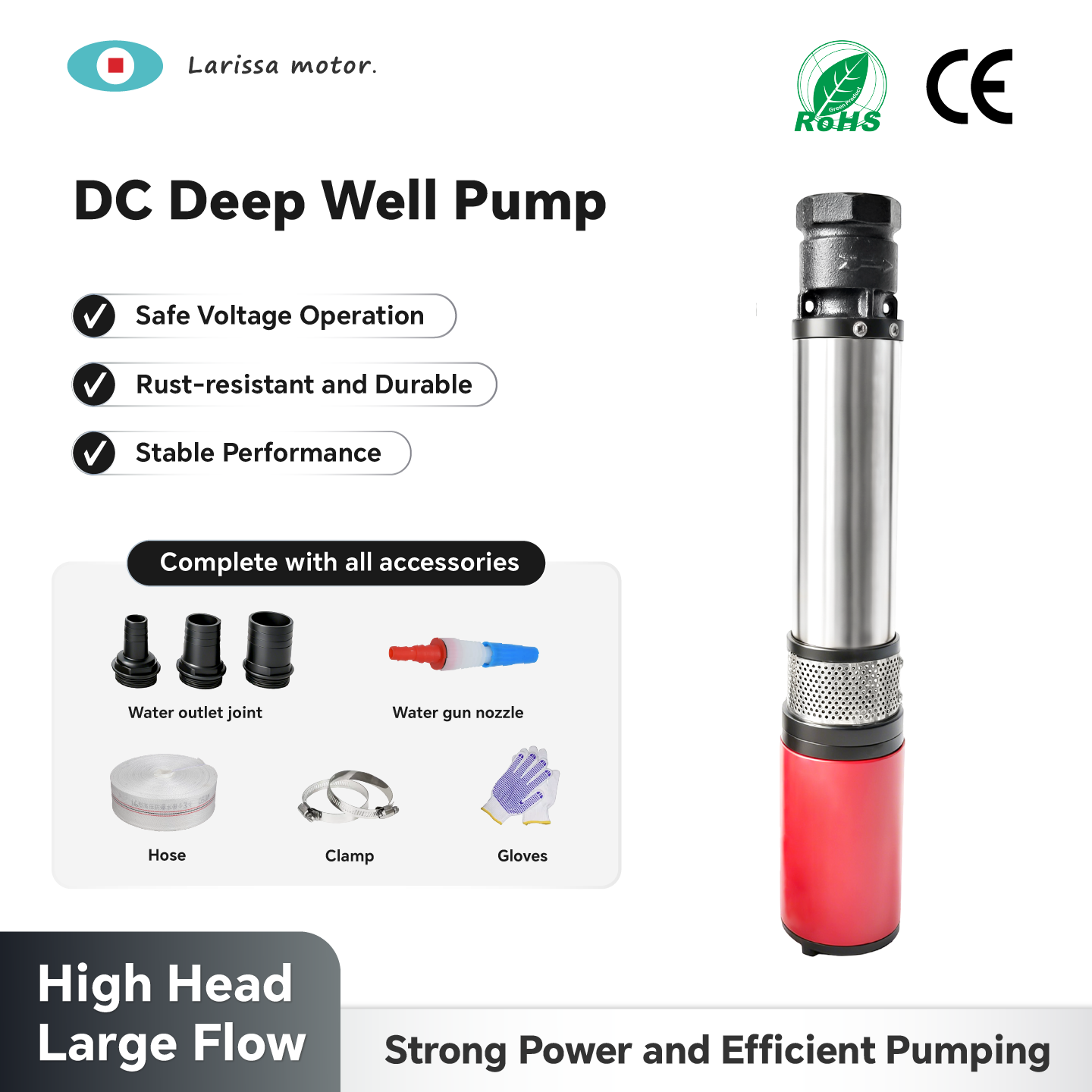
DC well pumps serve a vital role in efficiently extracting water from underground sources, making them essential for various applications in agriculture, municipal water supply, and industrial processes. When considering a purchase, B2B buyers, including purchasing managers and engineers, often seek information on product specifications, performance reliability, installation challenges, and cost factors. This article will provide insights into these key areas, helping you make an informed decision when selecting a DC well pump.
Common Installation Issues with DC Well Pumps and Solutions
Installing a DC well pump can present several challenges that, if not addressed, may lead to operational inefficiencies or premature failure. One common issue is inadequate power supply. Before installation, confirm that the power source can deliver the required voltage and amperage. This step is crucial, as underpowered pumps may not function effectively, leading to overheating or damage.
Another frequent problem is incorrect alignment during installation. Misalignment can cause excessive wear on bearings and seals, resulting in costly repairs. It’s advisable to use alignment tools and follow manufacturer guidelines closely to ensure proper setup.
Additionally, improper sizing of the discharge piping can cause pressure losses and reduced efficiency. To remedy this, calculate the required pipe diameter based on flow rates and ensure it matches the pump specifications.
Finally, do not overlook the importance of checking for leaks at all connections after installation. Tighten fittings and use appropriate sealants to prevent water loss, which can also lead to pump failure over time.