Submersible Water Pumps for Wells: Key Insights

Get a Professional Sourcing Quote

Our pump experts will review your request and reply within 12 hours.
Choose Your Needs Optional Business Type
Customization Requirements Optional
Email
Name
Company Name & Website
Message
0/1000

submersible water pump for well

Submersible water pumps for wells are essential tools  for extracting water  from  underground sources, widely  used across  various industries. As a purchasing manager or  engineer, understanding the  specifications and quality standards of these pumps is critical  for making informed  decisions. This article will delve into the key specifications, quality evaluation criteria, common installation challenges, diverse  applications, and solutions for common problems  associated with submersible water  pumps.  By the end, you will gain  valuable insights that  can  guide  your  purchasing decisions and ensure optimal performance  in your  specific applications.
Evaluating Quality Standards in Submersible Water Pumps for Wells

Evaluating Quality Standards in Submersible Water Pumps for Wells

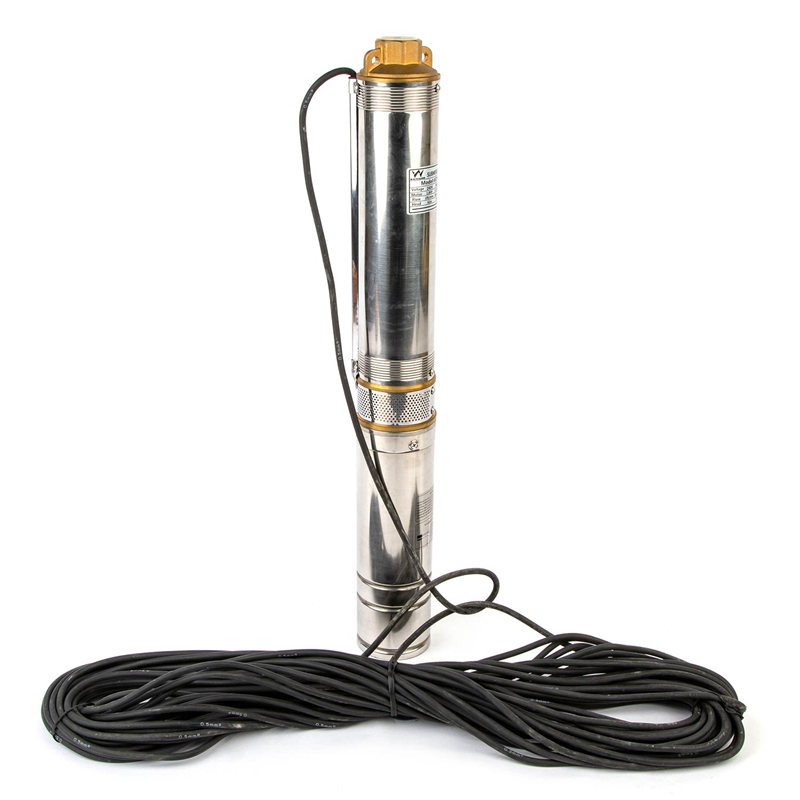
Quality  standards are paramount when choosing a submersible water pump for wells. Manufacturers often adhere to international standards to ensure reliability and performance. When evaluating quality, consider the following:

Certifications: Look for certifications such as ISO 9001,  which  indicates  a quality management system is in place. This can assure buyers of consistent product quality and  adherence to manufacturing standards.

Testing Procedures: Reputable manufacturers conduct rigorous testing on their products. Inquire about  the testing protocols used to evaluate performance  under various conditions, including flow rate,  pressure, and durability.

Warranty and Support: A solid warranty can be  indicative  of a manufacturer's confidence in  their product.  Additionally, assess the level of customer support provided, as this can be crucial for troubleshooting and maintenance.

User Reviews and Case Studies: Real-world feedback from existing users can offer insights into  a pump's performance and reliability.  Case studies can also provide context  on how the  pump performs in specific applications or environments.

Understanding these quality standards  will help ensure you select a pump that not only meets your specifications but also  performs reliably over time. If you're considering options for different sectors, you may want to look into Industrial Water Pumps which are designed for various industrial applications.
Common Installation Challenges with Submersible Water Pumps for Wells

Common Installation Challenges with Submersible Water Pumps for Wells

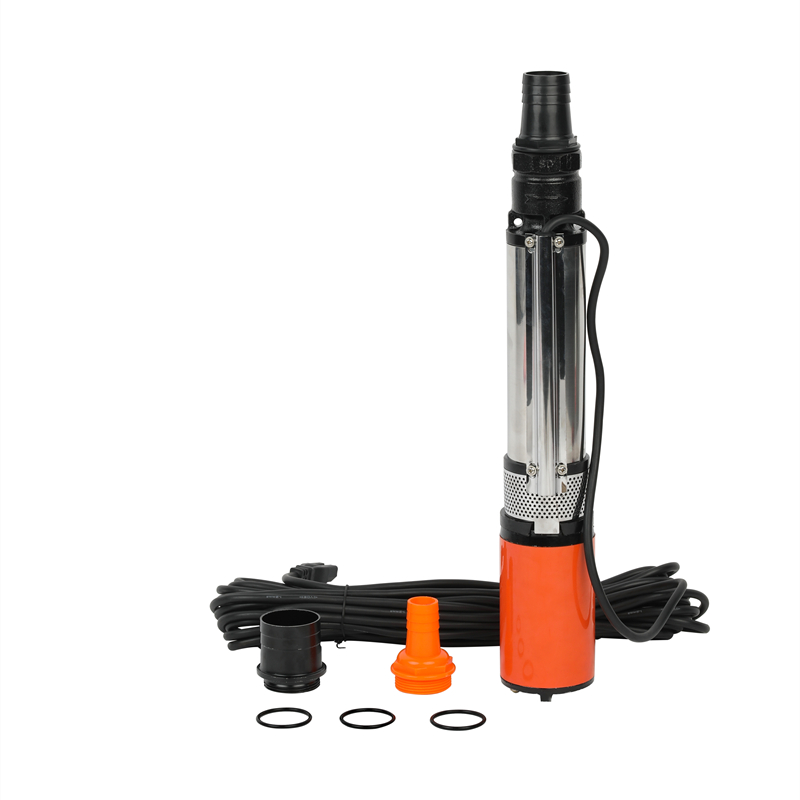
Installing a submersible water pump can present several challenges that  can affect its  performance and  longevity. Being aware of these issues can help mitigate  potential problems.

Well Depth and Diameter: Ensuring the  pump fits properly within the well casing is critical. If the well is too narrow or deep,  it may complicate the installation, requiring specialized equipment  or modifications.

Electrical Supply: Adequate electrical  supply is essential for pump operation. Verify that the power supply is compatible with the pump’s motor specifications to  avoid performance issues or damage.

Piping Configuration: The installation must allow for proper  pipe sizing  and layout to minimize  friction loss. Incorrect piping  configurations can lead  to reduced flow rates and increased  energy  consumption.

Sealing and Protection: Proper sealing is imperative to prevent water ingress into electrical components. Ensure that all connections are secure and that  appropriate protective measures are in place to guard against environmental factors.

Addressing these  installation challenges proactively can lead  to a smoother setup  process and improved pump efficiency.

Applications of Submersible Water Pumps in Various Industries

Applications of Submersible Water Pumps in Various Industries

Submersible water pumps are versatile and find applications across  numerous sectors:

Agriculture: Used for irrigation, these pumps  help maintain  adequate water supply  to crops, especially in  arid regions. They are crucial for  ensuring  optimal growth and yield.

Construction: In construction sites,  submersible pumps are  employed to dewater excavations, keeping work areas dry and safe. Consider Construction & Drainage Pumps for specific needs in this sector.

Municipal Water Supply: Many municipalities rely on these pumps to draw water from  underground aquifers for public  water supply systems, ensuring a reliable source for  residents.

Mining: In mining operations, submersible pumps are integral for managing groundwater levels, allowing  for safer and more efficient mining practices.

Industrial Applications: Various industries  use  these pumps  for cooling systems, process water supply, and wastewater management,  highlighting their versatility in handling different water types.

Understanding the specific applications of submersible water pumps can help you select a model that aligns with your  industry needs.

Solutions for Common Problems with Submersible Water Pumps for Wells

While submersible water pumps are reliable, they can encounter issues that may disrupt operations. Here are common problems and  their solutions:

Cavitation: This occurs  when the pump operates below  its minimum flow rate, causing  air bubbles to form and implode, damaging the pump. To prevent cavitation, ensure that the pump is correctly sized for the application and that the intake is adequately submerged.

Overheating: If a pump runs dry  or is subjected to excessive head pressure, it may overheat. Regularly  monitor water levels and install thermal protection to shut down the pump before damage occurs.

Electrical Failures: Electrical issues can arise from poor wiring  or moisture ingress. Ensure proper electrical connections and consider  using waterproof enclosures for electrical components.

Clogging: Debris  can accumulate in the pump, affecting  performance. Regular maintenance, including cleaning the intake screen and impeller, can prevent clogging.

Wear and Tear: Components may wear out over time, particularly in  abrasive environments. Implementing a routine  maintenance schedule and replacing worn parts promptly can extend the  pump's service life.

Addressing these  common problems  proactively will help maintain the efficiency and longevity of submersible water pumps  in  your operations.

Key Specifications for Submersible Water Pumps for Wells

When selecting a submersible water pump for a well, several key specifications must be considered  to ensure it meets your operational needs.

Flow Rate: This is  the volume of water the pump can  move in a given time, typically  measured in gallons per minute (GPM) or liters  per second (L/s). It is crucial to match the flow rate with your  application requirements, as insufficient flow can lead to inadequate water supply.

Head Pressure: This specification indicates how high  the pump can lift water. It's essential to consider the vertical distance from the  water source to the discharge point. If the head pressure is too low, the pump will be  ineffective for deeper wells.

Motor Power: The power  of  the motor, usually measured in horsepower (HP), influences the  pump's efficiency and performance. A higher horsepower may be needed for applications requiring  more significant flow rates or head pressure.

Material Construction: Pumps are typically  made from stainless steel or thermoplastic materials. Stainless steel offers durability and corrosion resistance, making  it suitable for harsh environments, while thermoplastic pumps might be lighter and more cost-effective for less demanding applications.

Diameter and Length: The  pump's physical dimensions must be compatible with the well casing size. A  pump that is too large might not fit, while one that is too small  may not perform adequately.

These specifications are critical for ensuring that the selected pump meets both the technical and operational demands of your application. For instance, if you are looking for pumps specifically for agricultural use, consider exploring Agricultural Water Pumps that are designed to meet the needs of irrigation.

Get a Professional Sourcing Quote

Our pump experts will review your request and reply within 12 hours.
Choose Your Needs Optional Business Type
Customization Requirements Optional
Email
Name
Company Name & Website
Message
0/1000

Related product categories