Evaluating Water Booster Quality and Sourcing

Get a Professional Sourcing Quote

Our pump experts will review your request and reply within 12 hours.
Choose Your Needs Optional Business Type
Customization Requirements Optional
Email
Name
Company Name & Website
Message
0/1000

water booster

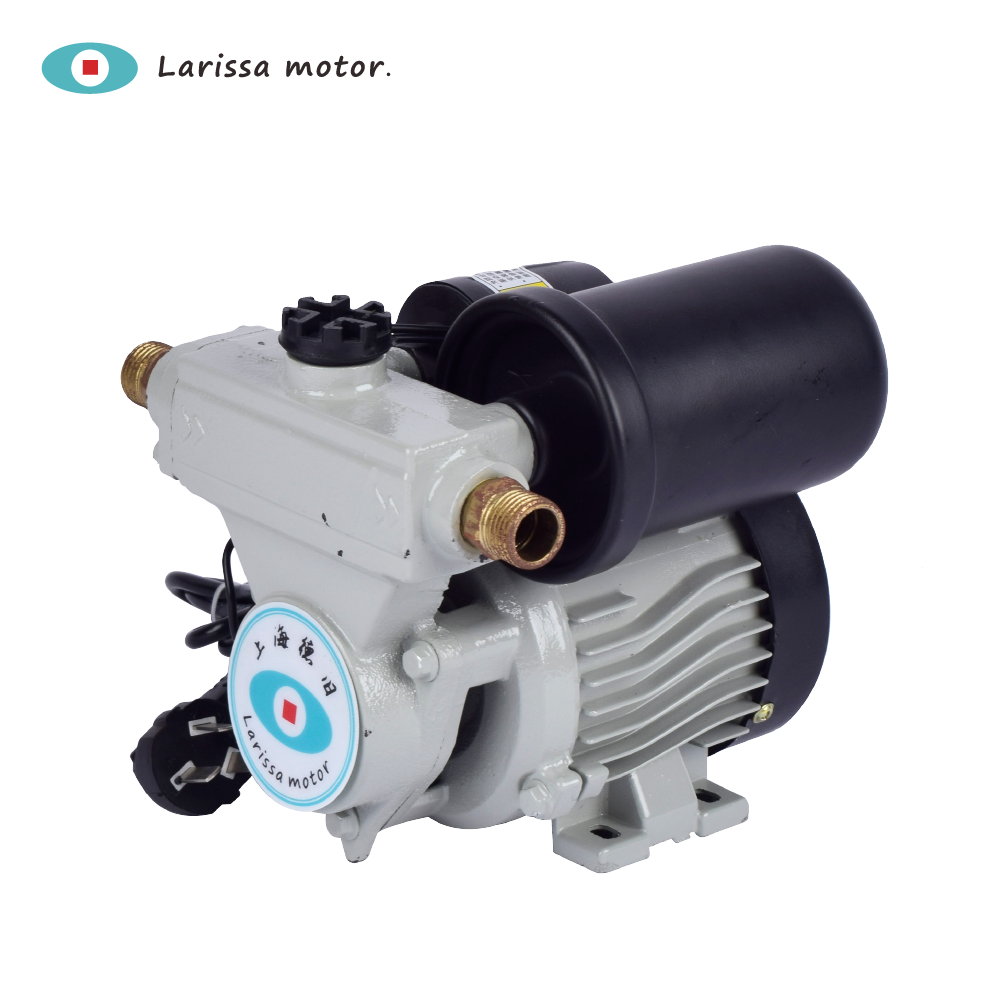
Water boosters  are  essential electromechanical  devices designed to increase water pressure in various applications, ensuring a  consistent and reliable water  supply.  For B2B  buyers—such as purchasing  managers, engineers, and product managers—understanding the quality, sourcing, cost factors,  installation, and applications of water  boosters is crucial  for  making informed purchasing decisions. This  article aims to provide practical  insights into these  key  aspects, enabling buyers to  select the  right water booster  for their  operational needs.
Where to Find Reliable Wholesale Water Booster Distributors

Where to Find Reliable Wholesale Water Booster Distributors

Finding  trustworthy distributors for water boosters is essential for ensuring product quality and reliable supply. Here are some strategies to identify credible  sources:

Industry  Associations: Engage with industry associations or trade groups that focus on  water management and electromechanical products. They often have directories of reputable manufacturers and distributors.

Online Marketplaces  and B2B Platforms: Use B2B platforms like Alibaba or ThomasNet to search  for distributors. Look for  suppliers  with positive reviews and verified  statuses. Pay attention to the number of years they have been in business, as  longer-established companies may provide more reliable service.

Local Trade Shows  and Expos: Attend industry-specific trade shows to connect with manufacturers  and distributors. This face-to-face  interaction allows  you to ask questions about product specifications, quality assurance, and customization capabilities.

Recommendations from Industry Peers: Networking with other  professionals in your  industry can yield valuable insights and recommendations about trustworthy  water  booster distributors.
Cost Factors to Consider When Purchasing Water Boosters

Cost Factors to Consider When Purchasing Water Boosters

Understanding the  cost structure of water boosters is crucial  for budget planning. Here are  key  factors that influence  pricing:

Material Costs: The choice of materials significantly impacts the overall cost. Higher-quality materials may come at a premium but  can lead to longer-lasting products, ultimately  reducing total cost over time.

Customization Requirements: Custom-designed water boosters can incur additional costs. Be clear  about your  specific needs when communicating with  manufacturers, as this will help you obtain accurate quotations.

Volume  Discounts: Many manufacturers offer price reductions for  bulk purchases. Consider your anticipated demand and discuss potential discounts with your supplier.


Shipping and Handling: Factor in shipping costs, especially for international  orders. Understanding the logistics  involved can prevent unexpected expenses.

Maintenance and Operating  Costs: While the initial purchase price is important,  consider the long-term operational costs, which include maintenance, energy consumption, and potential downtime.

Installation Guidance for Efficient Water Booster Systems

Installation Guidance for Efficient Water Booster Systems

Installing a water  booster  system  properly is vital for  optimal performance. Here  are some practical steps to consider:

Site Assessment: Conduct a thorough assessment of the installation  site. Identify existing plumbing configurations and determine the optimal placement for the water  booster  to maximize efficiency.

Compatibility Checks: Ensure that  the water booster is compatible with existing systems.  This includes checking pressure ratings, pipe  sizes, and electrical requirements. Mismatches can lead to operational issues and increased  costs.

Professional Installation: While some systems may allow for DIY installation, it is often best to  hire a qualified  technician to ensure proper setup and  adherence  to safety regulations.  This can prevent common installation errors that can compromise system performance.

Testing After Installation: Once installed, conduct thorough tests to verify that the  system operates as expected.  Monitor pressure levels and flow rates to confirm that the water booster meets the required specifications.

Applications of Water Boosters in Various Industries

Water boosters are versatile devices applicable across multiple industries. Here are some notable applications:

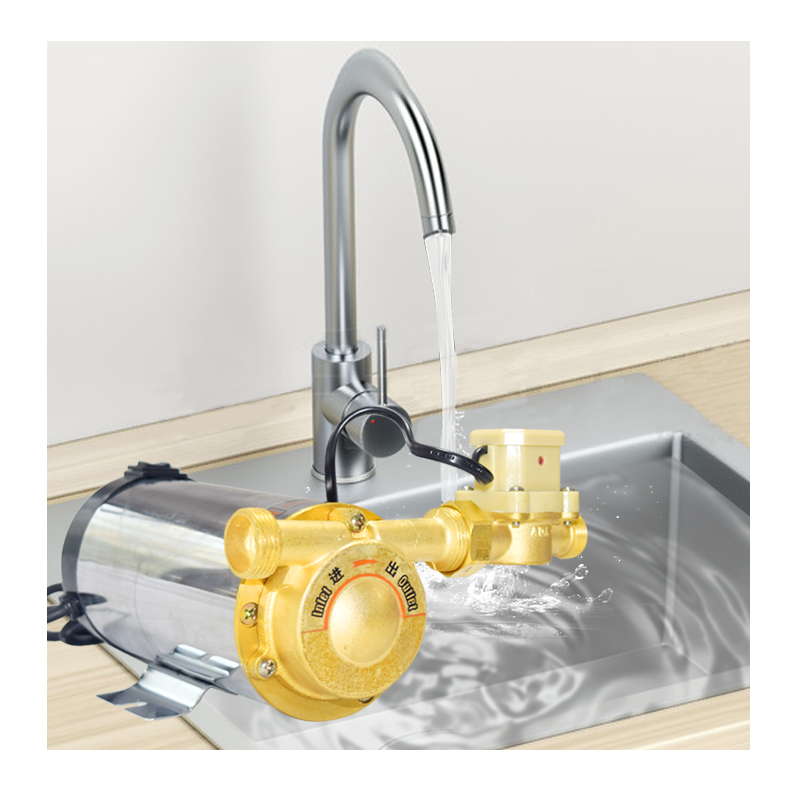
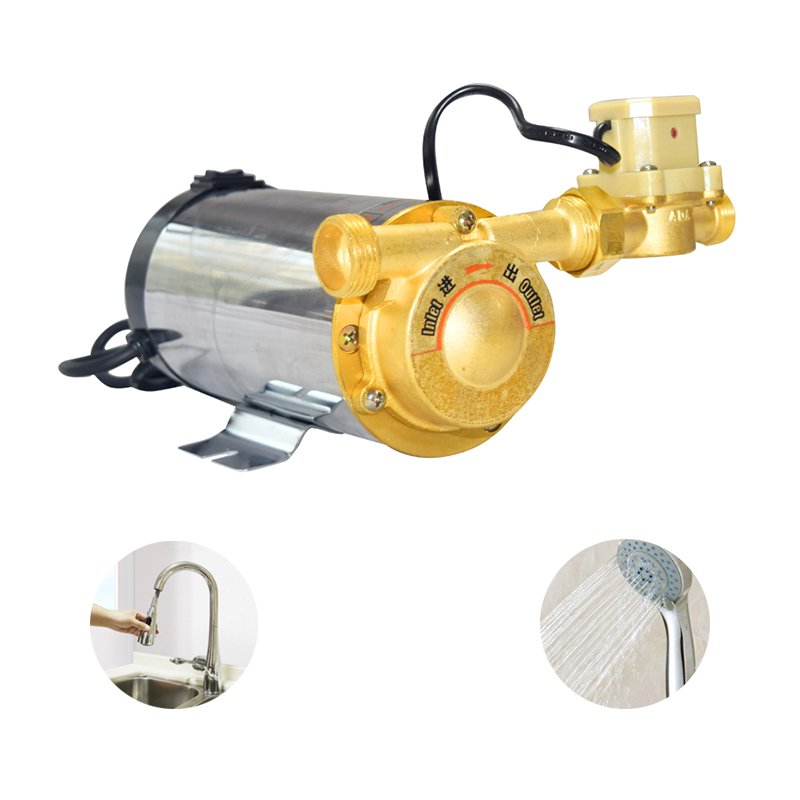
Residential Applications: In residential settings, water boosters enhance water pressure for homes, ensuring adequate supply for showers, faucets, and  appliances. This is particularly beneficial in areas with low municipal water pressure.

Industrial Applications: In  manufacturing facilities, water boosters are essential for  processes requiring consistent water flow, such as cooling systems, cleaning operations, and production lines. They help maintain  operational efficiency and reduce downtime.

Commercial Buildings: In commercial  settings like  hotels or office buildings, water boosters ensure  that all floors receive adequate  water pressure,  contributing to a satisfactory  experience  for tenants and guests.

Irrigation Systems: In agriculture, water boosters are used to ensure that irrigation systems deliver adequate water  to crops, particularly in areas with inconsistent water supply.

By understanding the various applications of water  boosters, buyers can better assess their needs and select appropriate systems for their specific environments.

making informed  decisions about water boosters requires a comprehensive understanding of quality  evaluation,  reliable sourcing, cost factors, installation practices, and applications. With insights from experienced manufacturers like  Larissa  Motor, B2B buyers can navigate  the complexities of selecting the right  water booster for their operational demands.

How to Evaluate the Quality of Water Booster Products

When assessing the quality of water boosters, several specifications  and features should be considered. Key factors  include the material quality, design integrity, and performance metrics. 

Materials: Look for water boosters  made from corrosion-resistant materials  such as stainless steel or high-grade plastics. The choice of materials directly affects durability and suitability for  specific  applications, especially in environments with varying chemical exposures.

Performance Specifications: Evaluate the performance metrics such as flow rate, pressure  boost capabilities, and energy efficiency. These specifications should align with your operational requirements. For example, a water booster intended for industrial applications may need to handle higher  pressure levels compared to  residential units. Additionally, consider high-performance options such as the Horizontal Multistage Centrifugal Pump for High Pressure Water Supply Systems for better efficiency.

Quality  Control Processes: Verify if the manufacturer adheres  to  international quality standards. This often  includes certifications such as ISO 9001, which indicates a  commitment to consistent quality management practices. Understanding the manufacturer’s quality assurance  protocols can help ensure the reliability of the  products.

Customization Options: Manufacturers like Larissa Motor offer customization capabilities, which allow  buyers to specify particular requirements. This could include adjustments in dimensions,  materials, or performance specifications tailored to specific applications. For instance, the DC CPM Centrifugal Water Pump for Solar Irrigation & Agricultural Water Transfer can be customized for specific agricultural needs.

Get a Professional Sourcing Quote

Our pump experts will review your request and reply within 12 hours.
Choose Your Needs Optional Business Type
Customization Requirements Optional
Email
Name
Company Name & Website
Message
0/1000

Related product categories