EN
EN
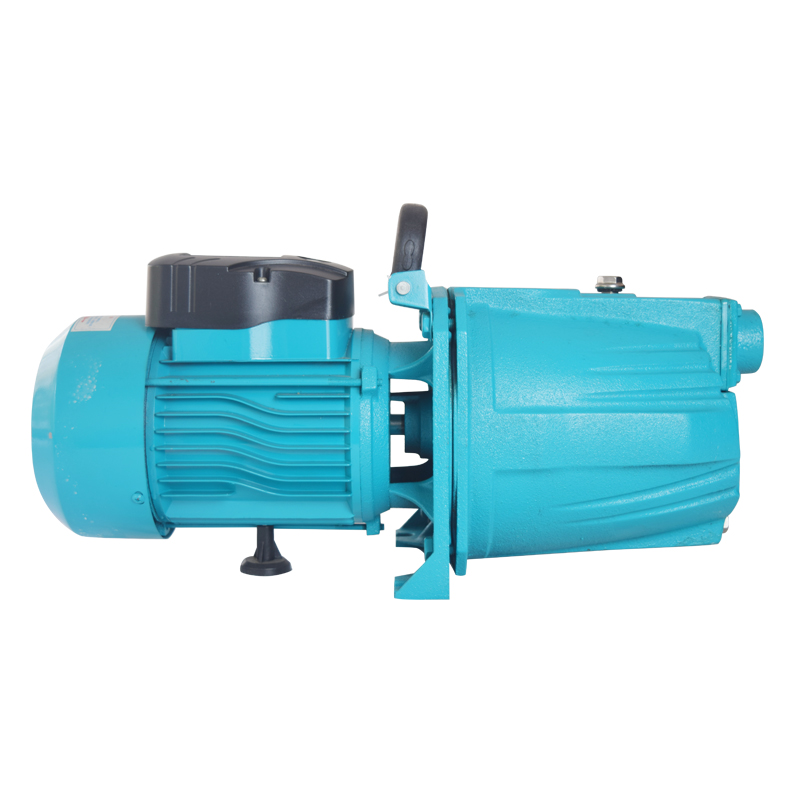
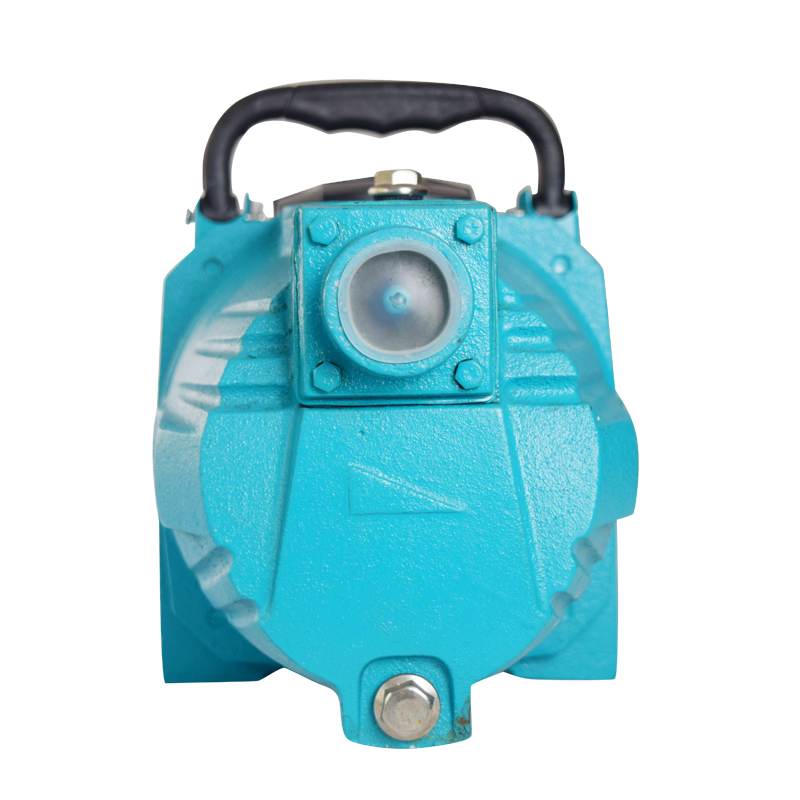
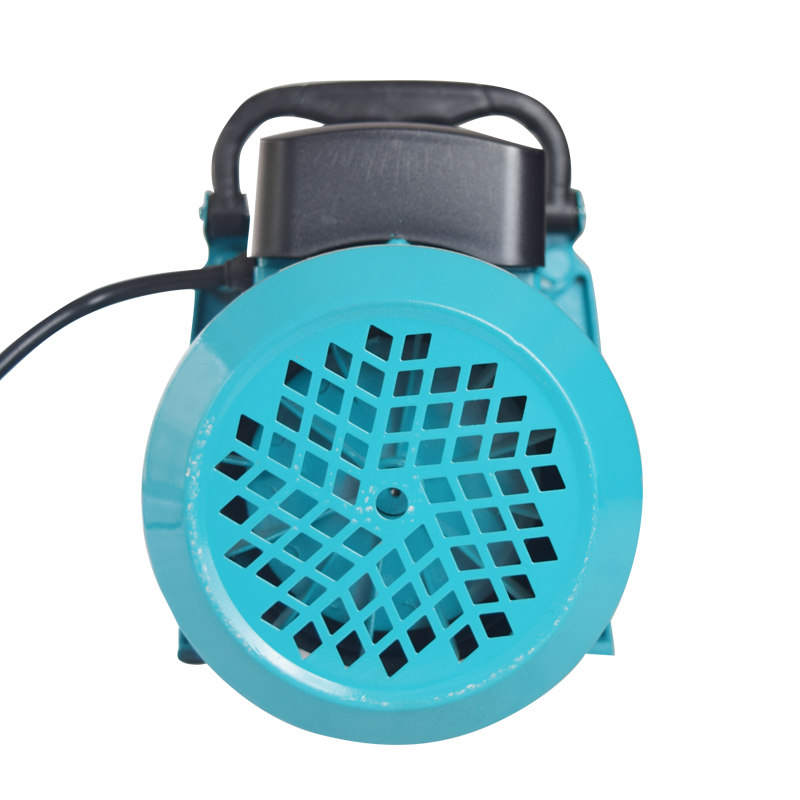
Septic ejector pumps are essential components for effective wastewater management in residential and commercial settings, particularly when a septic system is installed below the level of the drain field. As a B2B buyer, understanding the specifications, benefits, and potential issues related to these pumps is crucial for making informed purchasing decisions. This article will guide you through the key factors to consider when sourcing septic ejector pumps, the advantages of bulk purchasing, reliable supplier options, best practices, and common problems with effective solutions.
Benefits of Buying Septic Ejector Pumps in Bulk
Purchasing septic ejector pumps in bulk offers several advantages that can significantly impact cost and efficiency:
Cost Savings: Bulk purchasing typically leads to reduced unit prices, allowing you to secure significant savings on large orders. This can be especially beneficial for contractors or distributors looking to optimize their procurement budgets.
Consistent Quality: When sourcing pumps in bulk from a reputable manufacturer, you can expect consistent quality across all units. This consistency is crucial for maintaining reliability in wastewater management systems.
Streamlined Supply Chain: Buying in bulk can simplify logistics, reducing lead times and minimizing the complexities of managing multiple orders. This efficiency can enhance project timelines and improve overall operations.
Better Negotiation Power: Bulk orders may provide leverage in negotiations, enabling you to discuss additional terms such as extended warranties, customized features, or favorable payment terms with the supplier.
Reduced Stockouts: Maintaining a larger inventory of septic ejector pumps can prevent stockouts, ensuring that you have the necessary equipment readily available for installations or repairs. For instance, if you're also considering options like Solar Pumping Systems, having a reliable supplier for both can streamline your operations.
By considering bulk purchases, businesses can maximize their operational efficiency and maintain a reliable supply of essential components.