Choosing the Right Water Feature Pump for Projects

Get a Professional Sourcing Quote

Our pump experts will review your request and reply within 12 hours.
Choose Your Needs Optional Business Type
Customization Requirements Optional
Email
Name
Company Name & Website
Message
0/1000

water feature pump

Choosing  the right  water feature pump is crucial for ensuring  optimal  performance  and  longevity of your installations.  This article  will help B2B buyers,  such as purchasing managers and product managers, navigate the complexities of  selecting  the  right pump for  their projects. We will  cover essential specifications  to consider, where to find reliable suppliers, guidance  on installation in  various settings, and explore  diverse applications for water feature pumps  in design.
 
Key Specifications to Consider When Sourcing Water Feature Pumps

Key Specifications to Consider When Sourcing Water Feature Pumps

When sourcing  water  feature pumps, several key specifications must be taken into account:


Flow Rate:  Measured in gallons per minute (GPM) or liters per second (L/s), the  flow rate indicates how much water the  pump can move. This should align  with the design specifications of  your water feature to ensure proper water circulation.

Total Dynamic Head (TDH): This measures the total height the pump must lift water, factoring in both vertical lift and friction losses. Understanding TDH is crucial for selecting a pump  that  can  efficiently operate within your system.

Power Source: Water feature pumps can be powered by electricity, solar energy, or gas. Depending  on the project location and environmental considerations, choose a power source that aligns with operational  needs and sustainability  goals.

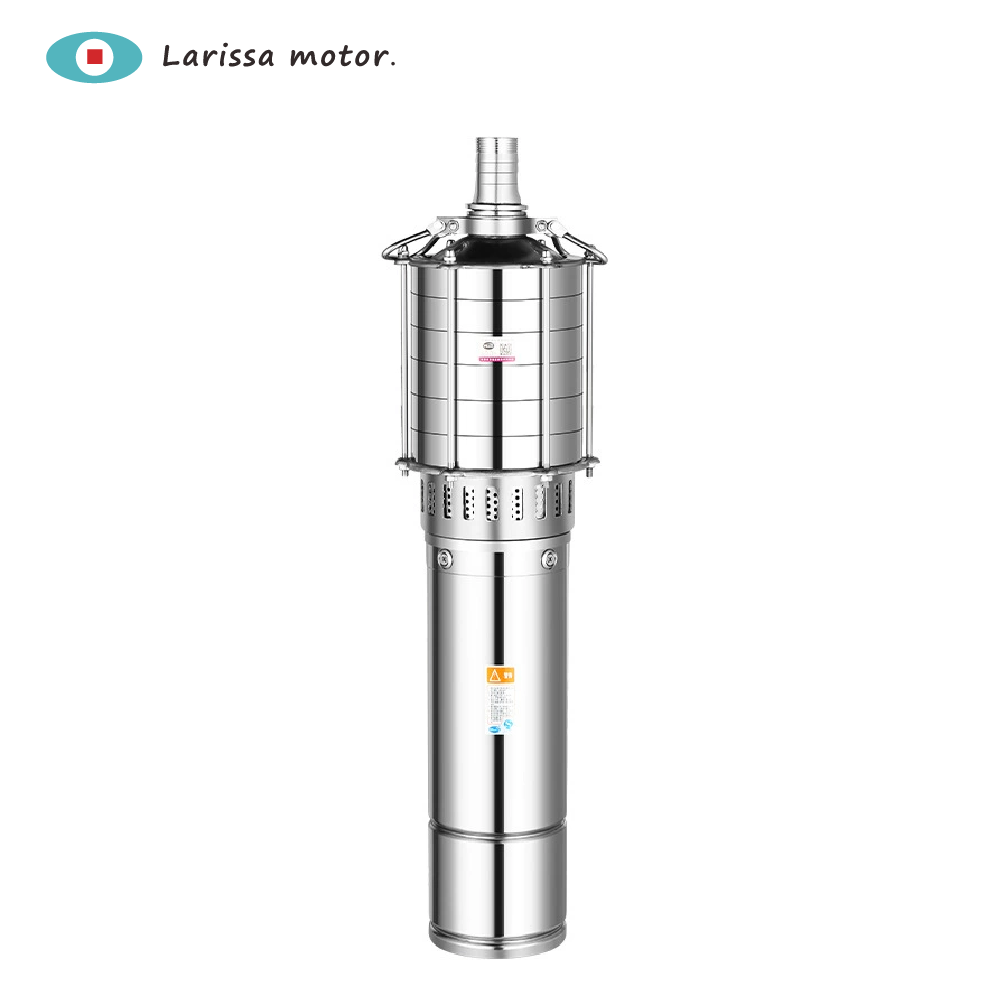
Material Composition: The materials used in the pump construction (e.g., stainless steel, thermoplastics) can influence durability and suitability for specific applications, particularly  in  harsh environments.

Noise Level: For certain installations, such as residential gardens or commercial spaces,  the operational noise of  the pump can be a significant consideration. Evaluating decibel ratings can help ensure a suitable choice.

Energy Efficiency: Energy-efficient pumps not only reduce operational costs but also minimize environmental impact. Look for pumps with high-efficiency ratings or those that comply with energy standards in your region.

Understanding these specifications will empower buyers to make informed decisions, ensuring  the selected pump meets  both performance and budgetary requirements.
Where to Find Reliable Suppliers of Water Feature Pumps

Where to Find Reliable Suppliers of Water Feature Pumps

Identifying trustworthy suppliers is vital for securing high-quality water feature  pumps. Start by seeking manufacturers with a strong reputation  in the industry,  such as Larissa Motor, known for producing advanced electromechanical products since 1998. <a href="/industrial-water-pumps">Industrial Water Pumps  can be an excellent choice for large installations.

Consider  reaching out to  industry associations, trade  shows, and online marketplaces that specialize in  industrial  equipment. These platforms can provide insights into supplier reliability and product offerings. 

Additionally, requesting  product samples or visiting manufacturing facilities can help assess quality control processes and  customization capabilities. It's also beneficial to read  reviews and  testimonials from other buyers to gauge their  experiences with  specific  suppliers.

Finally, establish clear communication with potential suppliers regarding  your project needs, including specifications,  quantities, and  delivery timelines. This can help ensure that the supplier can  meet your requirements effectively.

Installation Guidance for Water Feature Pumps in Various Settings

Installation Guidance for Water Feature Pumps in Various Settings

Proper installation is crucial for the  efficient operation of water feature pumps.  Here are some guidelines to consider based on different  settings:


Outdoor Installations: Ensure the pump is positioned below the water  surface  to prevent air from entering the system, which can lead to cavitation and  damage. Use  proper sealing and waterproofing measures to protect electrical components from moisture.

Indoor Installations: When installing pumps in enclosed spaces, consider ventilation to prevent overheating. Additionally, ensure that the pump's noise level is acceptable  for the  intended use, particularly in residential or commercial environments.


Pond and Fountain Applications: For ponds, select a pump that can handle debris and algae. Installing a pre-filter can enhance the longevity  of the pump by reducing clogging. In  fountain applications, ensure that the pump is  capable of creating the desired water effect without excessive splashing.

Regular Maintenance: Regardless of installation  type, establish a maintenance  schedule to check for wear and tear, clean filters, and inspect electrical components. Regular servicing helps  prevent unexpected failures and extends the pump's  lifespan.

By adhering to  these  installation guidelines, buyers can enhance the performance and reliability of their water feature pumps, minimizing operational issues.

Exploring Diverse Applications for Water Feature Pumps in Design

Water feature pumps find a variety of applications  across different design projects, enhancing aesthetic appeal and functionality. Here are some notable uses:

Fountains: Pumps are essential for creating dynamic water  displays in public parks, commercial centers, or private gardens. The choice of pump affects not only the flow  rate but also the type of water effects achievable.

Ponds and Water Gardens: In these environments, pumps facilitate  water circulation, improving oxygenation and promoting a healthy ecosystem.  They can also  support additional features, such as filtration systems.

Waterfalls: For artificial waterfalls, pumps must be  selected based on the desired height and flow of water. Proper pump selection ensures a  realistic and visually appealing effect.

Aquatic Exhibits: In aquariums or aquatic centers, specialized  pumps are required to maintain water quality and circulation, critical for the health of aquatic life. 


Landscape Irrigation Systems:  Some water feature pumps can also be integrated into irrigation  systems, providing dual  functionality and enhancing water conservation efforts. <a href="/irrigation-pumps">Irrigation Pumps  are particularly useful in these setups.

Understanding the diverse applications of water feature pumps can help buyers recognize opportunities for product  integration into their projects, ultimately leading to more innovative designs.

Selecting the  right water feature pump involves a careful evaluation of specifications, sourcing reliable suppliers, and understanding installation and application considerations. By  following  this guidance,  B2B buyers can make informed decisions that enhance the  quality and performance of their water features.


Choosing the Right Water Feature Pump for Your Projects

When  selecting a water feature  pump, consider its intended use and the specific requirements of your project. Pumps vary by size, flow rate, and energy efficiency, which greatly affect performance and operational costs.  For instance,  a pump designed  for a  large fountain will differ  significantly from one  intended for a  small pond. <a href="/solar-pumping-systems">Solar Pumping Systems  can be a great option for certain large-scale applications.

Additionally, assess the pump's compatibility with your existing water  features. This includes ensuring that the flow rate matches the  desired water movement  and that the pump can handle the total dynamic head, which includes elevation and friction losses.  A common mistake is to overlook these factors, leading to inadequate pumping or  excessive energy usage. <a href="/water-pump-accessories">Water Pump Accessories  can also help improve the overall functionality of your setup.

Lastly, consider  the pump's material  and construction. Pumps made from corrosion-resistant materials are essential for outdoor applications where  exposure to elements is  inevitable. Customization options may  also be worth exploring  to meet unique project requirements.

Get a Professional Sourcing Quote

Our pump experts will review your request and reply within 12 hours.
Choose Your Needs Optional Business Type
Customization Requirements Optional
Email
Name
Company Name & Website
Message
0/1000

Related product categories