Choosing the Right Deep Well Pump for Your Needs

Get a Professional Sourcing Quote

Our pump experts will review your request and reply within 12 hours.
Choose Your Needs Optional Business Type
Customization Requirements Optional
Email
Name
Company Name & Website
Message
0/1000

deep well pump

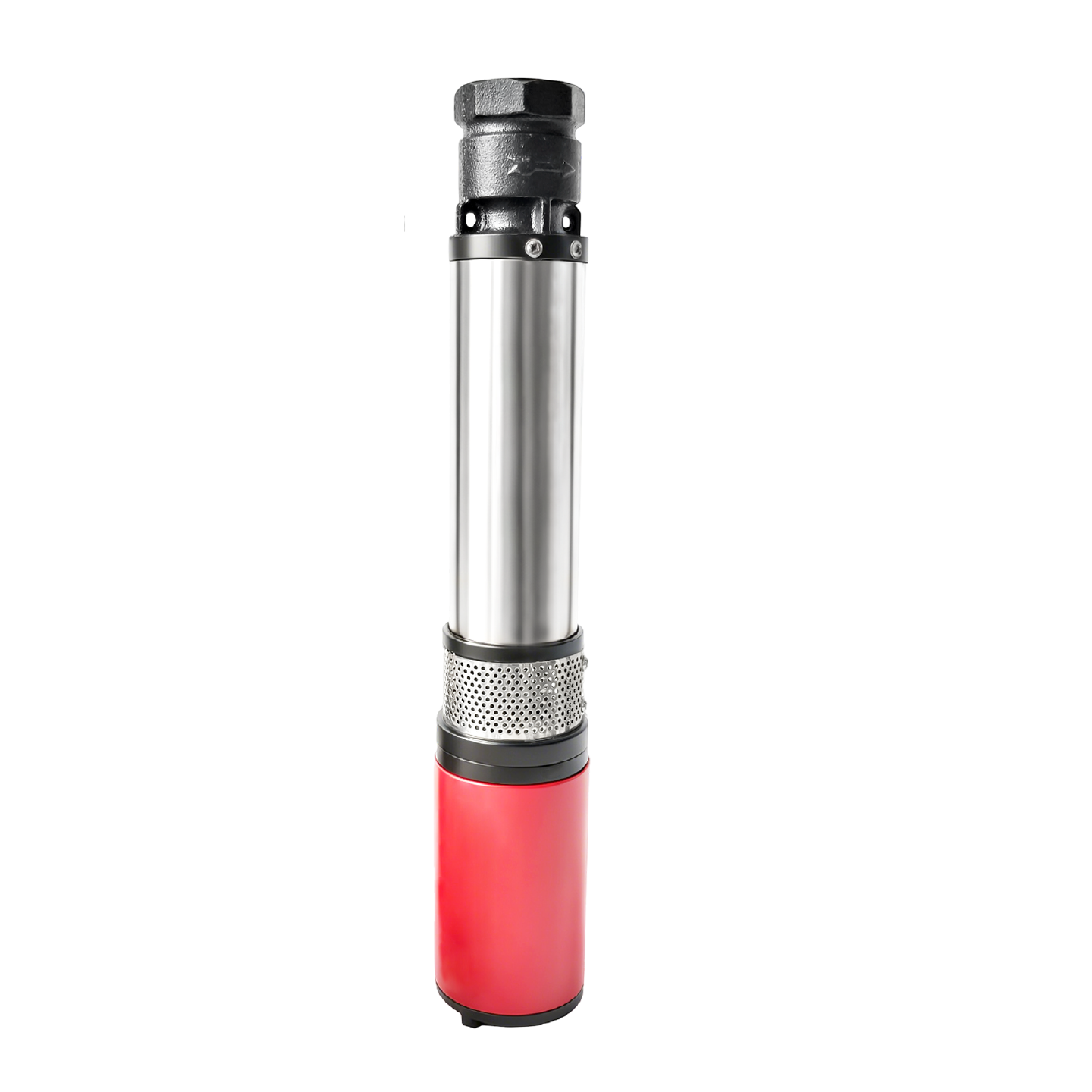
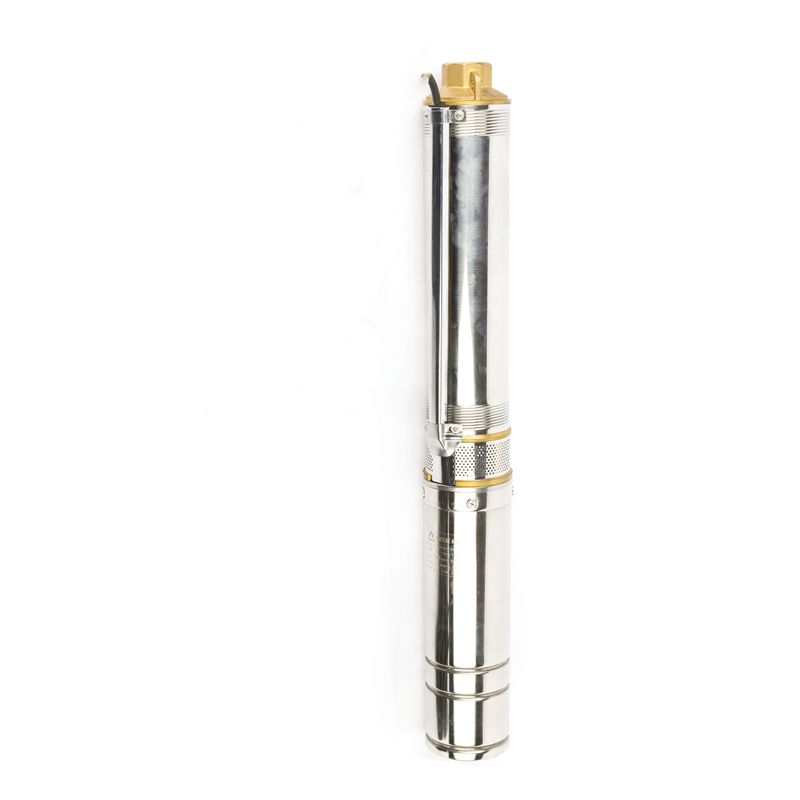
Deep well pumps are vital components in  various industrial and commercial applications,  designed to  extract water from deep underground  sources. As a  purchasing manager or engineer,  understanding how to select the right deep well pump is  crucial  for ensuring  efficient operations,  reliable water  supply, and overall project success. This  article will delve  into essential considerations  for choosing deep well  pumps, including buyer  insights, cost  factors, installation guidance,  and  applications across  different industries. For instance, options like the Solar Powered Deep Well Submersible Pump for Off-Grid Water Supply & Irrigation can be of great significance.
What Buyers Should Know

What Buyers Should Know

Before making a purchasing decision, it's  essential to gather comprehensive information about the deep well pump. Start with  the pump  specifications, which should include details on motor power, pump dimensions, and performance  curves. Understanding  these specifications helps assess compatibility with existing systems and  ensures the pump can  handle the required workload.

Quality assurance is paramount in the  manufacturing process. Inquire  about the quality control measures implemented by the manufacturer. For instance, Larissa Motor adheres to international  manufacturing standards, ensuring their products meet rigorous quality  benchmarks. Requesting documentation on  certifications can provide additional reassurance regarding  the product's reliability.

Buyers should also  consider the supplier's experience and reputation in  the  industry. A manufacturer  with  a proven track record can  offer valuable  insights and support throughout the purchasing process, from selection to installation.
Cost Factors to Consider When Purchasing Deep Well Pumps

Cost Factors to Consider When Purchasing Deep Well Pumps

Pricing for deep well pumps can vary widely based on several factors.  The  initial  purchase price is only  one aspect; buyers should consider  the total  cost of ownership, which includes installation, maintenance, and operational costs. For  example, a more energy-efficient pump may have  a higher upfront cost but can lead to significant savings  in  energy  bills over its operational lifespan.

Another cost consideration is the availability of replacement parts. Pumps that are easier to service and maintain can reduce downtime and associated costs  over time.  It’s advisable to inquire about the  manufacturer's support for replacement parts and service availability.

Volume discounts may  also be available  for bulk purchases, so buyers should communicate their requirements  clearly when requesting quotes. Establishing  a good relationship with  the supplier can also lead to better  pricing terms and support.

Installation Guidance for Efficient Deep Well Pump Systems

Installation Guidance for Efficient Deep Well Pump Systems

Proper installation is critical for maximizing the efficiency and longevity of  deep well pump systems.  Begin by ensuring that  the  pump is installed at the correct depth to  prevent cavitation, which can significantly affect performance  and durability. The  installation location should also allow for easy access  for maintenance and repairs.

Employing  skilled technicians for  installation is essential. They  should be familiar with the specific requirements of deep well  pumps  and the unique characteristics of the project site. Additionally, proper alignment and  securing of the pump are necessary to prevent vibrations that could lead to early wear and  tear.

Once installed, it is advisable to conduct a  performance test to ensure the system operates at the desired flow  rate and  pressure. Regular  monitoring of the  pump's performance can help identify potential issues early and avoid costly repairs.

Applications of Deep Well Pumps in Various Industries and Projects

Deep well pumps find applications across a wide range of industries. In  agriculture, they are essential for  irrigation systems  that require reliable water supply from deep aquifers. In municipal  water systems,  deep well pumps are integral for providing clean water to communities,  particularly in areas where surface  water is  scarce.

In industrial settings, deep well pumps are  used in processes that  require large volumes of water, such as manufacturing and cooling systems. They  also play a role in geothermal  heating  systems, where water  is extracted from  deep underground to regulate temperatures.

Understanding the application requirements can help buyers make  informed decisions when selecting a deep  well pump. For example, a pump designed for agricultural use may have different specifications compared to one intended for industrial applications. Engaging with the manufacturer, like Larissa Motor, can provide insights into the best pump options for specific project needs.

By considering these factors and leveraging the expertise of  manufacturers,  buyers can make well-informed decisions when purchasing deep well pumps, ensuring their projects achieve the necessary efficiency and reliability.

Choosing the Right Deep Well Pump for Your Project Needs

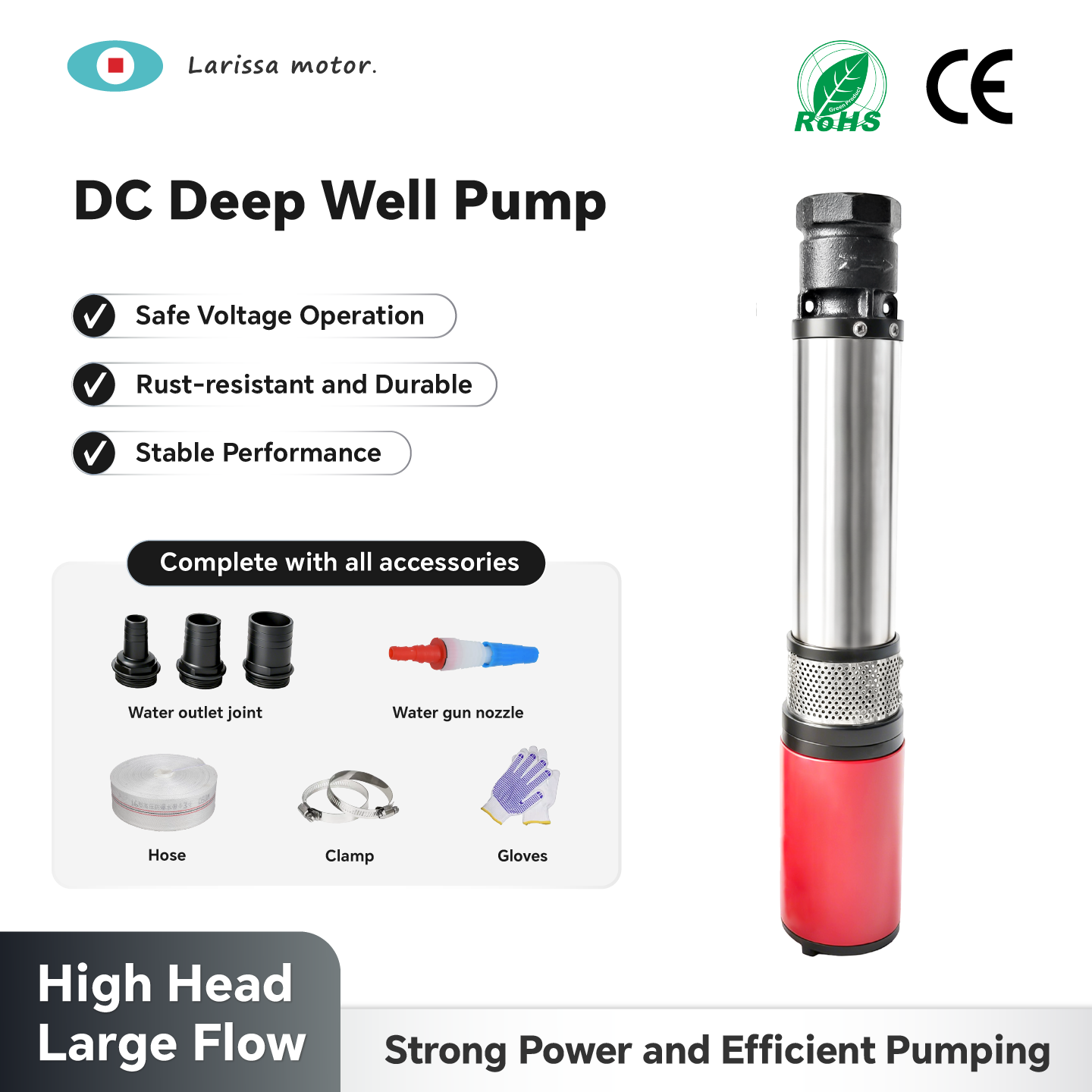
Selecting the appropriate deep well pump involves several critical factors. First, consider the depth of the water source.  Deep well pumps  are specifically engineered for high head applications, making  them suitable for wells that  exceed 25 feet. Understanding the flow rate required for your application is equally important, as it directly  impacts pump selection. Flow rates can vary significantly based on the intended use, whether for agricultural  irrigation, municipal water  supply, or industrial processes. For agricultural irrigation, DC CPM Centrifugal Water Pump for Solar Irrigation & Agricultural Water Transfer is often recommended.

The material choice for the pump  is another  vital consideration. Pumps are typically constructed from stainless steel, thermoplastic, or cast iron, each offering distinct advantages based on durability, corrosion resistance, and suitability  for various environments. For instance, stainless  steel pumps are often preferred  in corrosive environments due to  their longevity and resistance  to rust.

Lastly, customization options should be  evaluated. Larissa Motor specializes in producing deep  well pumps  that  can  be tailored to meet  specific project requirements, ensuring optimal performance and efficiency. Always communicate your project's unique needs to the supplier to explore available customization possibilities.

Get a Professional Sourcing Quote

Our pump experts will review your request and reply within 12 hours.
Choose Your Needs Optional Business Type
Customization Requirements Optional
Email
Name
Company Name & Website
Message
0/1000

Related product categories