EN
EN
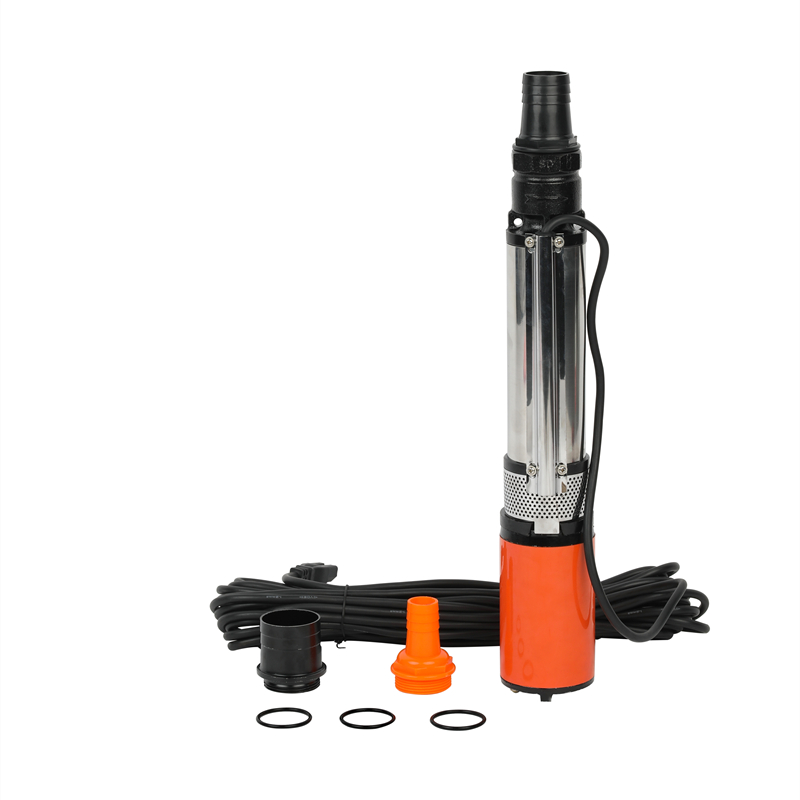
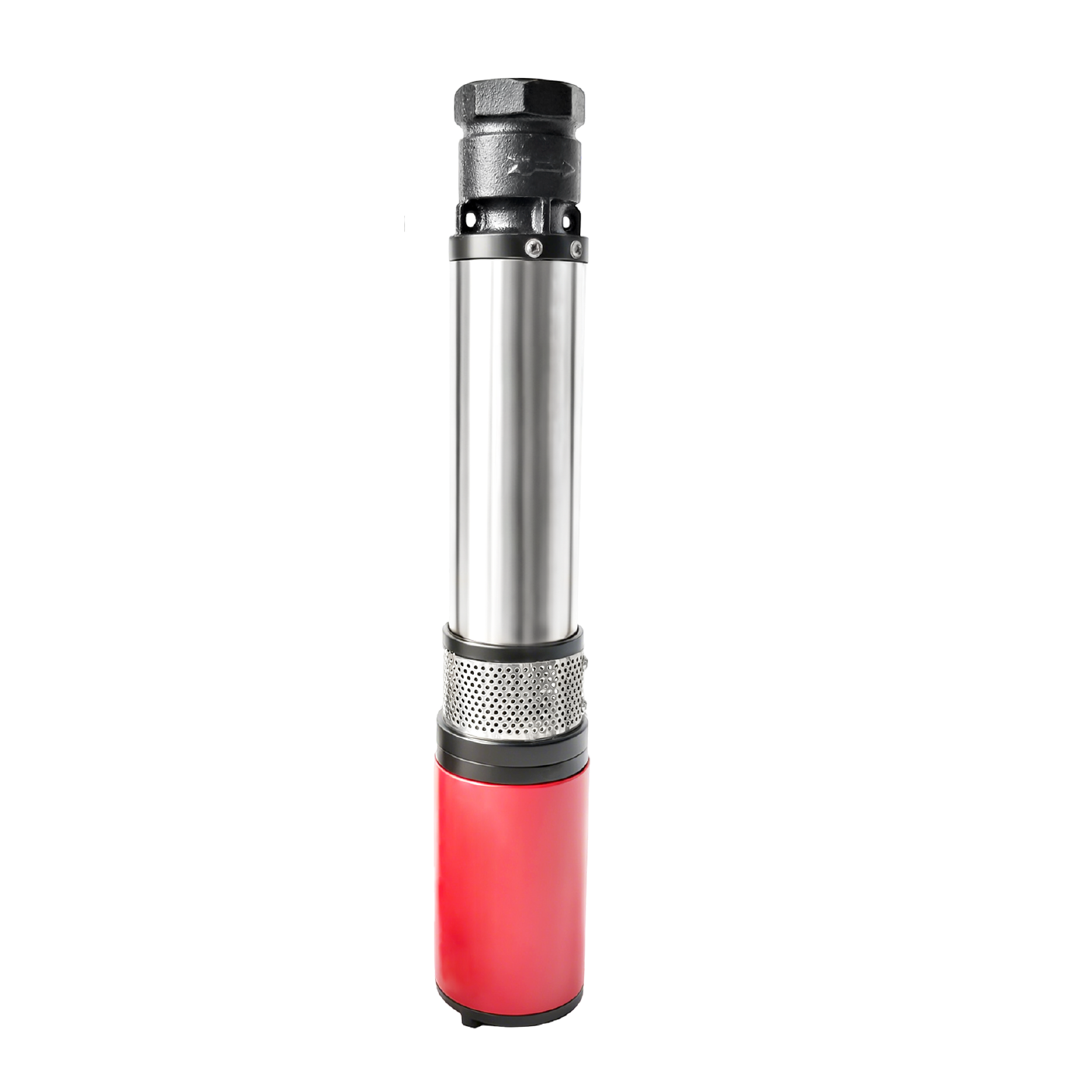
Submersible deep well pumps are essential for efficiently extracting groundwater from deep underground. These pumps are widely used in various industries, including agriculture, construction, and municipal water supply. For B2B buyers, choosing the right submersible deep well pump involves understanding specifications, quality, and application suitability. This article will provide valuable insights to help purchasing managers, engineers, and other professionals make informed decisions regarding sourcing, specifications, common problems, and applications of submersible deep well pumps.
Specifications and Features
Submersible deep well pumps come with various specifications that directly impact their performance and suitability for specific applications. Key specifications to consider include:
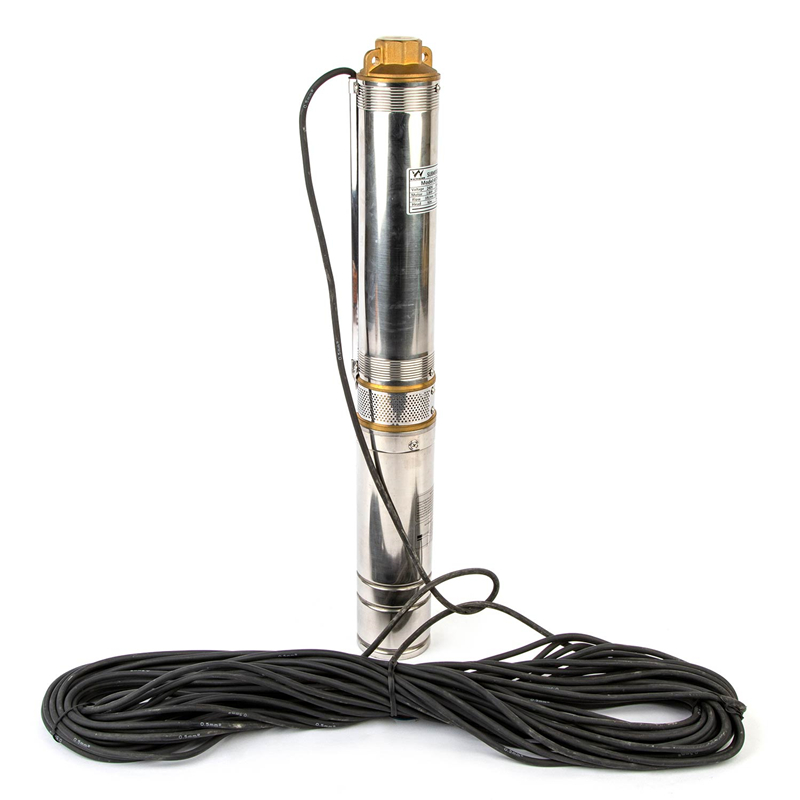
Motor Power: The power output, typically measured in horsepower (HP), determines the pump's ability to lift water from various depths. Assess the required power based on the well depth and expected flow rate. Material Composition: Pumps are often made from materials such as stainless steel, cast iron, or thermoplastic. Stainless steel is preferred for its corrosion resistance and durability in harsh environments. Flow Rate: Measured in gallons per minute (GPM) or liters per second (L/s), the flow rate indicates the volume of water the pump can deliver. Consider the specific needs of your application when evaluating flow rates. Diameter: The pump's diameter must match the well casing to ensure proper fitting and functionality. Standard diameters include 4, 6, and 8 inches, but custom sizes may be available based on specific requirements.Understanding these specifications is vital, as choosing an unsuitable pump can lead to inefficiencies, increased operational costs, and potential system failures.