Essential Considerations for Ponds and Pumps

Get a Professional Sourcing Quote

Our pump experts will review your request and reply within 12 hours.
Choose Your Needs Optional Business Type
Customization Requirements Optional
Email
Name
Company Name & Website
Message
0/1000

ponds and pumps

Ponds and pumps are  essential components in  various industrial and commercial applications,  providing  efficient water  management  solutions for everything from agriculture  to aquaculture and landscaping. As  a purchasing  manager or distributor, understanding the specifications, installation requirements,  and overall functionality of  these  systems is  critical for making informed decisions.  This article will guide you  through key considerations  when  selecting ponds and pumps, ensuring that you choose the  right products for your  specific needs.
 
A Guide for Importers and Distributors

A Guide for Importers and Distributors

For  importers and distributors dealing with ponds  and pumps,  understanding the nuances of sourcing and logistics is critical. Here are some essential insights:

Supplier  Evaluation: When  selecting a manufacturer, assess their production  capabilities, quality control processes, and reputation in the industry.  Companies  like Larissa Motor, which have a history of producing high-quality electromechanical products, can be trusted for reliability and performance.

Minimum  Order Quantities (MOQ): Different manufacturers may  have varying MOQs, which can affect your purchasing strategy. It's essential to clarify these details upfront to align with  your inventory management and cash flow.

Shipping  and Packaging:  Understanding packaging methods and shipping options is crucial to minimize damage during transport. Ensure that  products are adequately packaged to withstand the rigors of shipping and that you confirm shipping timelines to manage customer expectations.

Customization Options: Many manufacturers offer  customization capabilities. This can include modifications to size, material, or  design  to meet specific application  needs. Discuss your requirements with the manufacturer early in the sourcing process to ensure your needs are met.

Lead  Times: Production lead times can vary significantly based on demand, customization,  and manufacturing processes. Always confirm these timelines to ensure you can meet customer demands without delays.
Understanding Installation Requirements for Pond and Pump Systems

Understanding Installation Requirements for Pond and Pump Systems

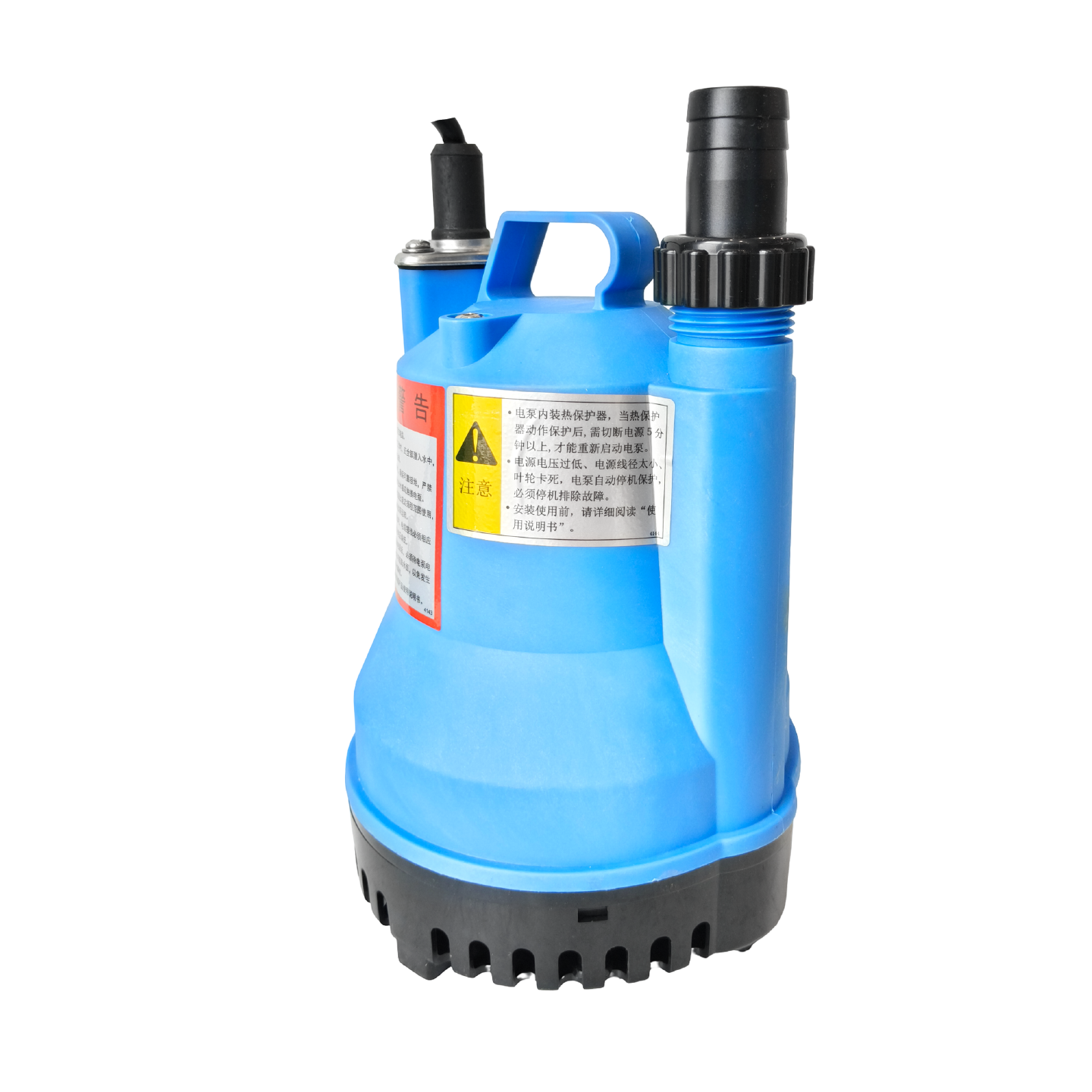
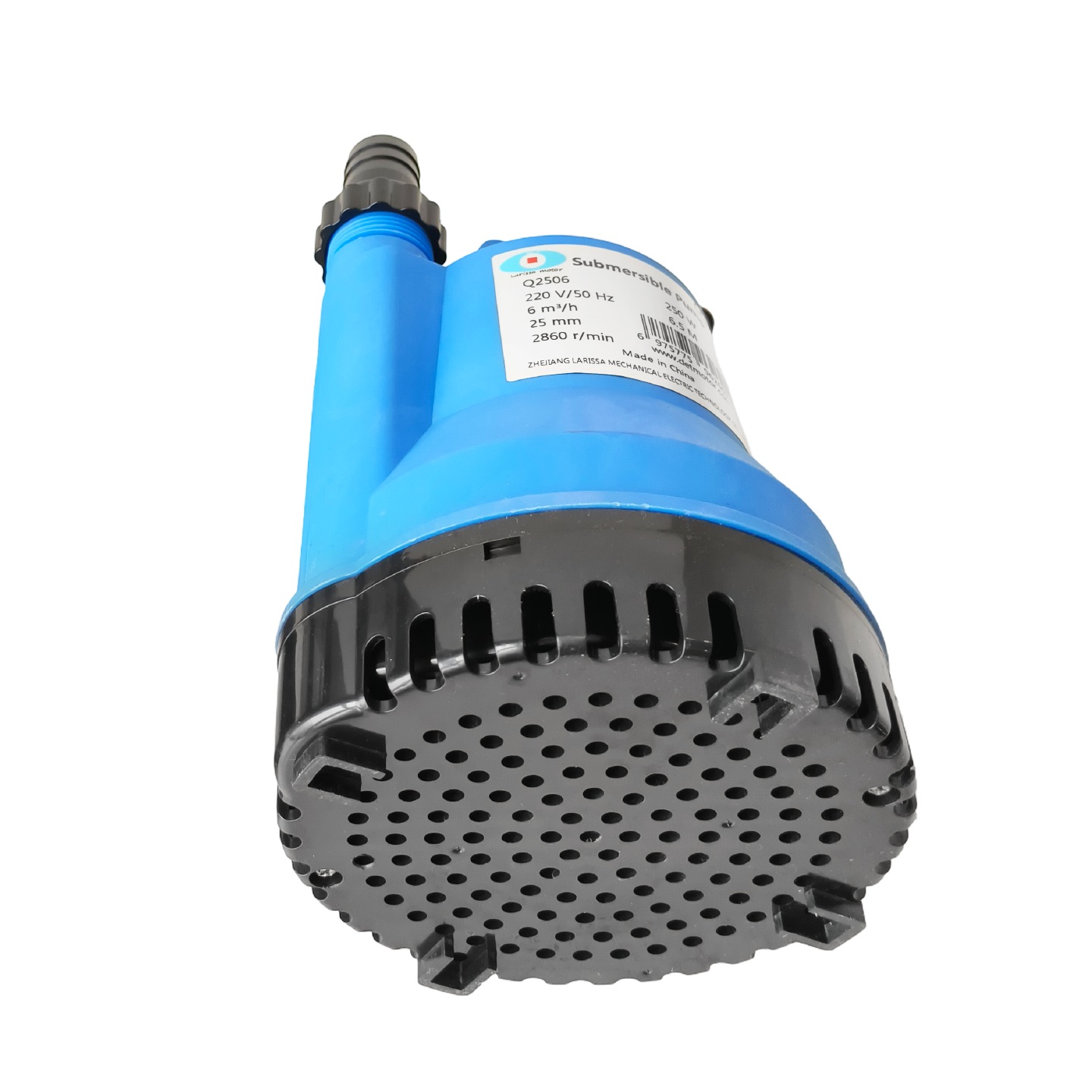
Proper installation  is  critical to the effective  operation of pond  and pump systems. Here are some key installation considerations:

Location and Sizing: The location of the pond and pump system should be carefully planned to ensure efficient water flow and accessibility for maintenance. Additionally, the size of the pump should match the pond's dimensions and  water volume to ensure optimal performance. For instance, you might want to consider the Solar Powered Deep Well Submersible Pump for Off-Grid Water Supply & Irrigation for effective water management.

Electrical Connections:  For electric pumps, ensure that the electrical supply meets the pump's voltage and power specifications. It's advisable to  engage a qualified electrician to handle electrical installations to  prevent  safety hazards.

Plumbing and Piping: The type and size  of piping used can significantly impact the system's  efficiency. Ensure that the piping  is appropriately sized to minimize friction loss and maximize flow. Consider  using flexible piping materials for easier  installation in complex setups.

Filtration and Maintenance:  Incorporate  filtration systems to maintain  water  quality and reduce wear on  pumps. Regular maintenance checks are also essential to identify potential issues before they  escalate.

What Buyers Need to Know

What Buyers Need to Know

Buyers  considering ponds and pumps  should keep the following  factors in  mind:

Product Testing: Before finalizing an order, request samples or prototypes to assess performance under  actual operating conditions.  This will help identify any  potential issues  early in the process.

Warranty and  Support: Inquire about warranty terms and after-sales support. Reliable manufacturers typically offer comprehensive warranties  and support to address  any operational challenges.

Performance  Data: Always request performance data sheets to understand the pump's capabilities and limitations. This information is crucial for  making informed comparisons between different models.

Common Issues: Be aware of common problems associated  with pond  and pump systems,  such  as clogging, inadequate flow, or electrical failures. Discuss  preventive measures  with your supplier to mitigate these risks.

Regulatory Compliance: Ensure that  the products comply with any local regulations regarding water management and environmental impact. This is particularly important for applications in sensitive ecosystems or urban environments.

Insights for Contractors

Contractors involved in the  installation and maintenance of pond and pump systems should consider the following:

Project  Planning: Develop a detailed project plan that outlines all phases of installation, including timelines and resource  allocation. This will help ensure that all  aspects of the  project are managed efficiently.

Collaboration  with Suppliers: Maintain open communication with suppliers throughout the project. This can help in quickly addressing any issues that arise and ensuring that all components are delivered on time.

Training and Safety: Ensure that  all personnel involved in the installation are adequately trained in  safety  protocols  and the proper handling of equipment. This  is  essential to prevent accidents and ensure compliance  with safety regulations.

Quality Assurance: Implement quality assurance checks at various stages of  installation to ensure that  everything is functioning as intended. Regular inspections can help identify issues early, reducing the risk of costly repairs later.

Documentation: Keep thorough documentation of  all installations and maintenance activities.  This can help with future troubleshooting and provide valuable insights for optimizing processes in subsequent projects.

By understanding these aspects of ponds and pumps, you can make informed decisions that lead to successful installations and satisfied  customers. Whether you are  an importer, distributor, buyer, or contractor, being well-informed about product specifications, installation requirements,  and supplier capabilities is crucial for effective procurement and project execution.

Key Specifications to Consider

When evaluating ponds and pumps, several key specifications must be considered to ensure optimal performance and compatibility with your application.


Flow Rate: This is a crucial parameter that indicates how  much water the pump can move within  a  specific time frame, typically measured in gallons per minute (GPM) or  liters per second (L/s). An inadequate  flow rate can lead to inefficient water circulation in ponds, affecting  overall system performance.

Head Height: This refers to the  vertical distance a pump can lift water. It is essential to select a pump that can achieve the  necessary head height for your specific installation, as insufficient head height can result in poor water  flow and inadequate pressure.

Material Construction: Pumps and pond components are made from various materials, including plastic, stainless steel, and cast iron. The material choice impacts durability, resistance to corrosion, and weight. For example, stainless steel is ideal  for  applications requiring high resistance to harsh chemicals or environmental conditions. For heavy-duty applications, consider the Heavy-Duty Industrial Boiler Feed Water Pump for Hot Water Circulation & Heating Systems.

Power  Source: Ponds and  pumps can operate  on electricity, solar energy, or fuel. Each power source has implications for operational costs, maintenance, and environmental impact. Consider your specific needs and constraints when selecting a  power solution.

Certifications: Ensure that the products meet relevant industry standards and certifications, such as ISO or CE marks. These  certifications indicate that the products comply with safety and  performance  requirements, providing peace of mind regarding  quality.

Get a Professional Sourcing Quote

Our pump experts will review your request and reply within 12 hours.
Choose Your Needs Optional Business Type
Customization Requirements Optional
Email
Name
Company Name & Website
Message
0/1000

Related product categories