Choosing the Best Solar Deep Well Pump for Projects

Get a Professional Sourcing Quote

Our pump experts will review your request and reply within 12 hours.
Choose Your Needs Optional Business Type
Customization Requirements Optional
Email
Name
Company Name & Website
Message
0/1000

solar deep well pump

Solar  deep well pumps are  essential tools  for extracting water from  deep underground sources, often powered  by renewable energy to promote sustainability. For B2B buyers, including purchasing managers, engineers, and distributors, selecting the right solar deep well pump involves understanding  various technical  specifications, application suitability, and cost considerations. This article  will guide you  through  the  critical  factors to consider when choosing  a  solar deep well  pump, ensuring  you make  an  informed  purchasing  decision.
Key Specifications of Solar Deep Well Pumps for Wholesale Buyers

Key Specifications of Solar Deep Well Pumps for Wholesale Buyers

When procuring solar deep  well pumps, wholesale buyers should focus on several key specifications:

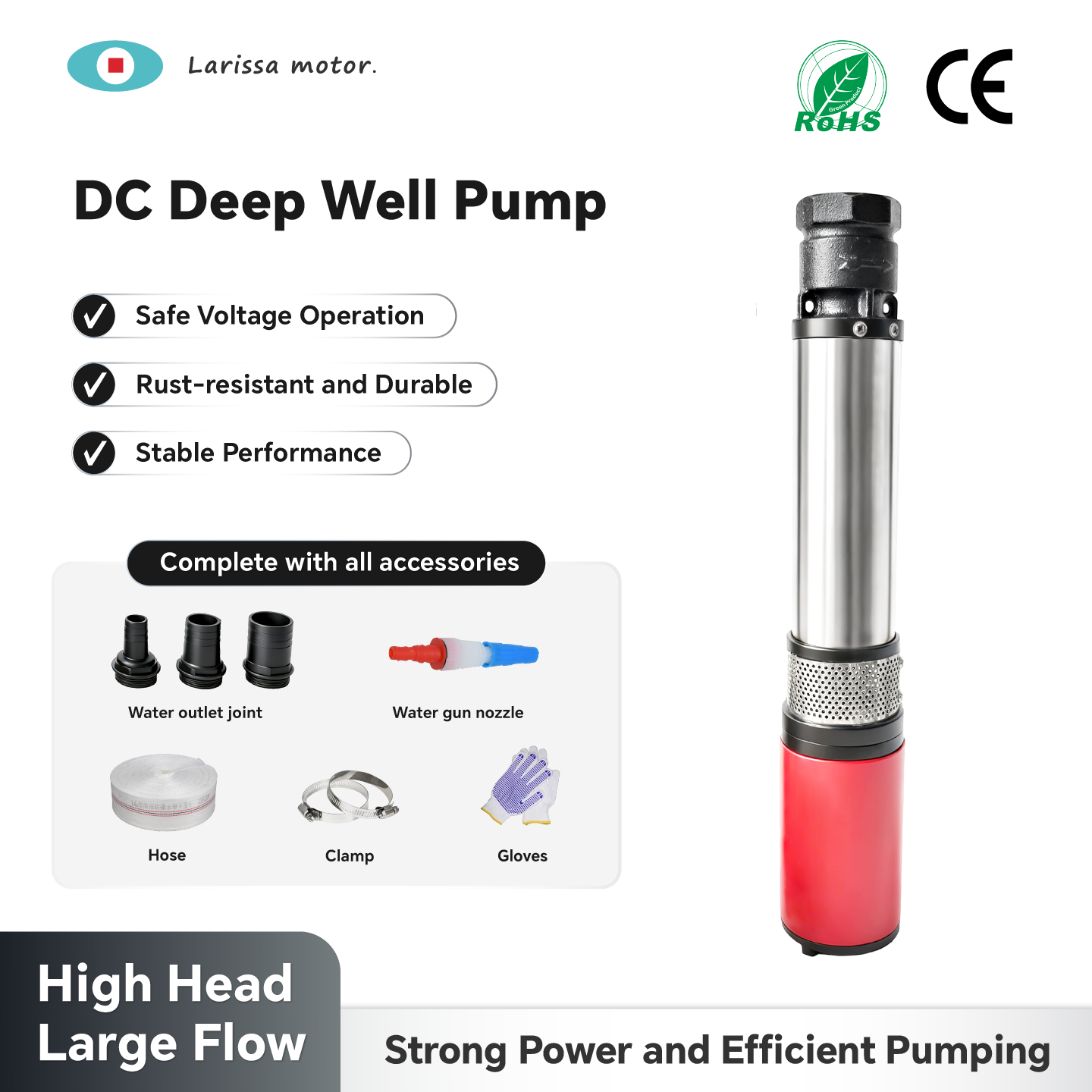
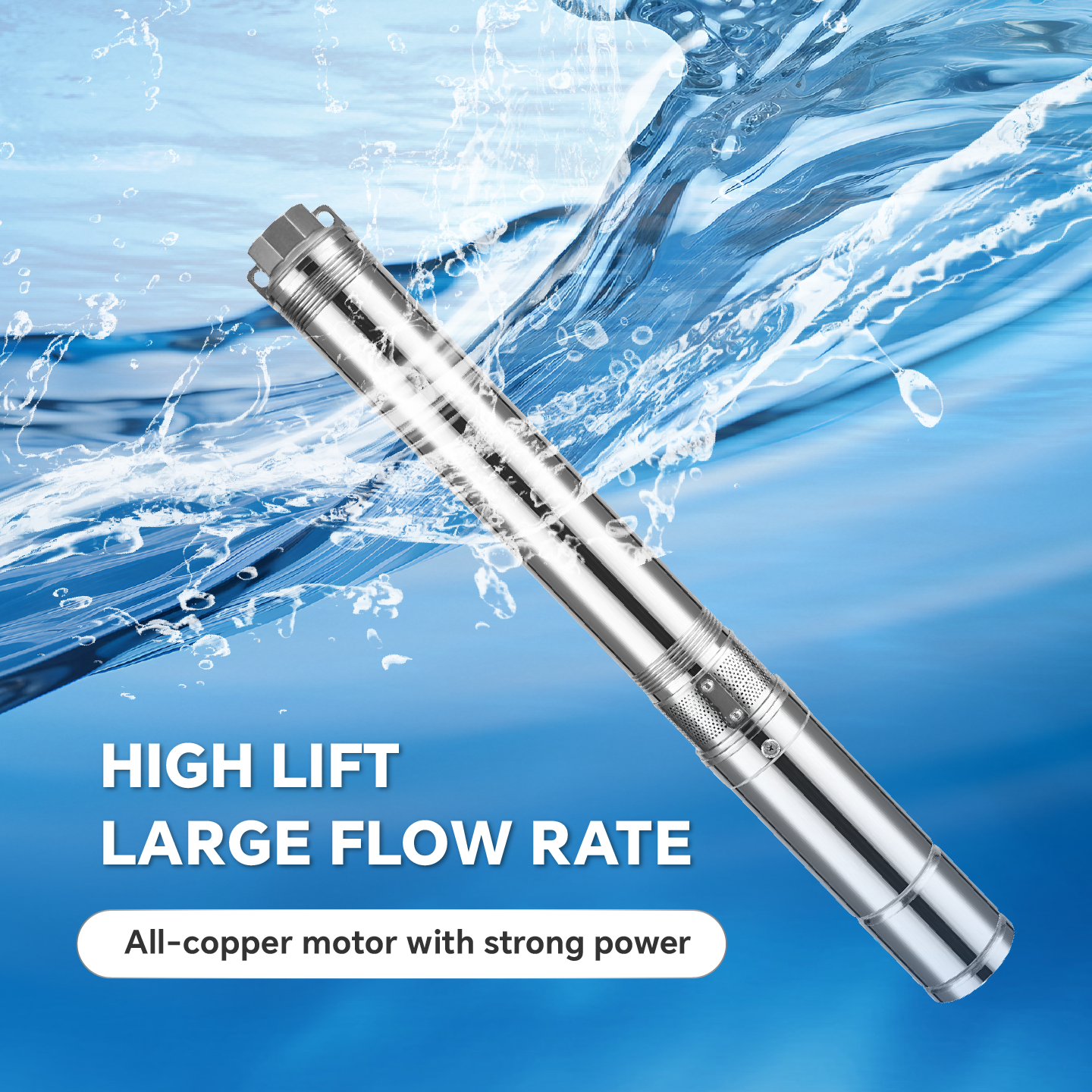
Pump Type: Submersible pumps are ideal for deep wells, while surface  pumps can be used for  shallower  applications. Flow Rate: This indicates  the amount of water the pump can deliver within  a specific timeframe. Buyers should calculate the required flow rate based  on  daily water needs. Head Lift: This refers to the maximum vertical distance the pump can raise  water. Ensure that the pump's head lift is sufficient for the depth of  your  well. Power Consumption: Look for pumps with energy-efficient motors to reduce operational costs. The  solar  panel capacity should  align with  the pump's power requirements. Material Composition: Pumps made from high-grade materials can  resist corrosion and wear, ensuring longevity and reliability.

Buyers should confirm  these specifications with  the manufacturer,  ensuring that the product  meets performance and durability standards specific to their applications.
What to Look for in Solar Deep Well Pumps

What to Look for in Solar Deep Well Pumps

In addition to the basic specifications, buyers should  also consider  several factors that can influence  the overall  performance and reliability of solar  deep well pumps:

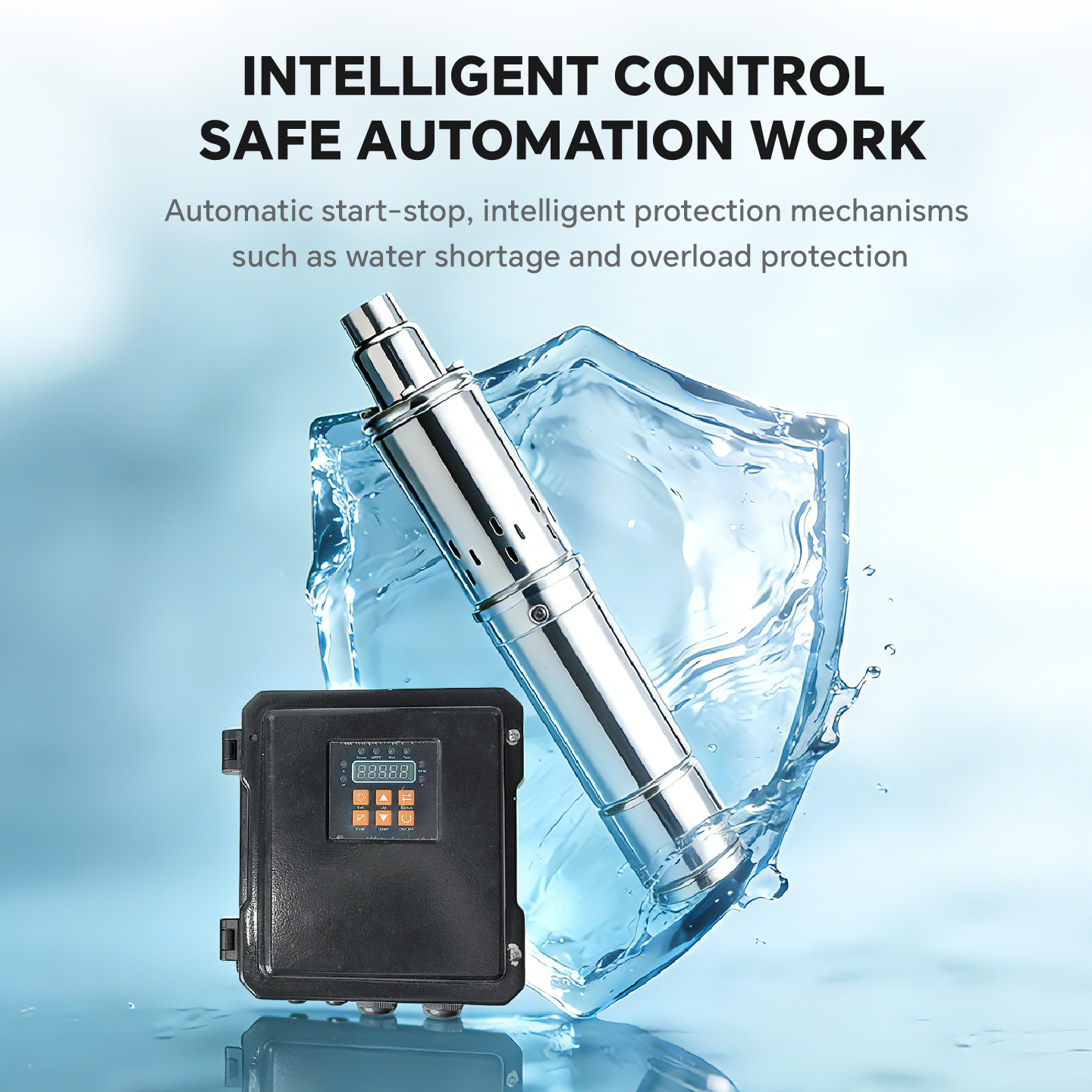
Efficiency Ratings: Higher efficiency ratings indicate better performance and lower energy consumption. Look for pumps with efficient motor  designs  that maximize output relative to energy input. Quality Certifications: Certifications such as ISO or CE can provide assurance of the product's quality and compliance with  international manufacturing  standards. Customization Options: Depending on the specific application, customization may be necessary. Manufacturers like Larissa Motor may offer tailored solutions to  meet unique project  requirements, including  size, material, and performance modifications. Warranty and  Support: A robust warranty and  reliable  customer support can mitigate risks associated with pump failure. Ensure the manufacturer offers sufficient  warranty coverage and responsive service for troubleshooting  or maintenance.

By prioritizing these factors,  buyers can select pumps that not  only meet their  immediate needs but also offer long-term reliability.

Cost Factors to Consider When Purchasing Solar Deep Well Pumps

Cost Factors to Consider When Purchasing Solar Deep Well Pumps

The cost of solar deep well pumps can vary significantly based on several factors,  and understanding these  can help buyers make more informed  decisions:

Initial Purchase Price: This includes the  cost of the  pump itself, solar panels, inverters, and any necessary accessories. Buyers should obtain detailed quotes that itemize these costs.  Installation Costs: Depending on the complexity of  the installation, labor  costs can add significantly to the  overall expense. It’s advisable to factor in professional  installation services if  needed. Operational Costs: Evaluate the energy costs associated  with running  the pump. Pumps with higher energy efficiency can  lead  to lower long-term operational expenses. Maintenance and  Upkeep: Consider ongoing maintenance requirements. Pumps that require frequent servicing can increase costs over time. Financing Options: Some suppliers may offer financing plans or leasing options, which can help spread costs over time  and improve cash flow.

Buyers should conduct a total  cost of ownership analysis  to  better understand the financial implications of their purchase decisions.

Applications of Solar Deep Well Pumps in Various Industries

Solar deep well pumps are versatile and can be used across multiple industries, including:

Agriculture: In farming, these  pumps  are  crucial for irrigation  systems, ensuring crops  receive adequate  water, especially in remote areas where grid power may not be available. Municipal Water Supply: Many towns utilize solar deep well pumps for community water supply systems, providing a sustainable solution to meet local  water demands. Industrial Use:  Industries such as  mining or construction often require significant water for operations. Solar pumps can provide a cost-effective solution in  remote locations. If you are interested in further applications, you might explore Industrial & Mining as a sector where these pumps can be particularly beneficial. Environmental Applications: These pumps are also used in environmental restoration projects, such as wetland management or  aquifer  recharge initiatives, supporting sustainable water use practices.

By  understanding the various applications, buyers can better match  their project  requirements with the appropriate solar deep well pump  solution.

In summary, selecting the right solar deep  well pump involves careful consideration of project needs, specifications, and cost factors. By engaging with experienced manufacturers like Larissa Motor, buyers can access high-quality, customized solutions  that ensure reliable  water extraction tailored to their  specific requirements.

How to Choose the Right Solar Deep Well Pump for Your Project

When selecting  a solar deep well pump, the first step  is to assess your specific project requirements. Key considerations include the  depth of the well, the volume of water needed, and the pump's flow rate. A pump's  flow rate is typically  measured in gallons  per minute (GPM) or liters  per minute (LPM) and should match your water demand.

Additionally, consider the power output of the solar panels required to operate the pump efficiently. The solar deep well pump must be compatible with the  available solar  energy, which depends on factors like  sunlight exposure in your location and seasonal variations. Buyers  should also evaluate  the  pump's motor type—submersible  or surface—as each has distinct advantages and limitations  based on installation and operational conditions. For instance, submersible pumps are well-suited for deeper applications while surface pumps can be effective in shallower settings. If you are also interested in other pump types, you might want to explore Submersible Pumps and Self-priming & Surface Pumps.

Furthermore, understanding the pump's construction materials is  vital. Materials such as  stainless steel or corrosion-resistant plastics can  enhance durability and performance, particularly in challenging  environments. Larissa Motor, with its extensive experience in manufacturing electromechanical  products, can provide customized solutions that meet specific project needs.

Get a Professional Sourcing Quote

Our pump experts will review your request and reply within 12 hours.
Choose Your Needs Optional Business Type
Customization Requirements Optional
Email
Name
Company Name & Website
Message
0/1000

Related product categories